
Who is Elon Musk?
As a visionary leader, Musk has driven innovation across multiple industries. He is the CEO of Tesla, where he has revolutionized the automotive sector with electric vehicles, and the CEO of SpaceX, which has transformed space travel with reusable rockets and ambitious missions to Mars. Beyond these ventures, he also leads X, the social media platform formerly known as Twitter, and xAI, an artificial intelligence research company.
Musk is widely recognized for his bold vision and relentless pursuit of ambitious technological goals. His work has not only reshaped entire industries but also inspired a new generation of entrepreneurs and innovators around the world.
Early Life and Education
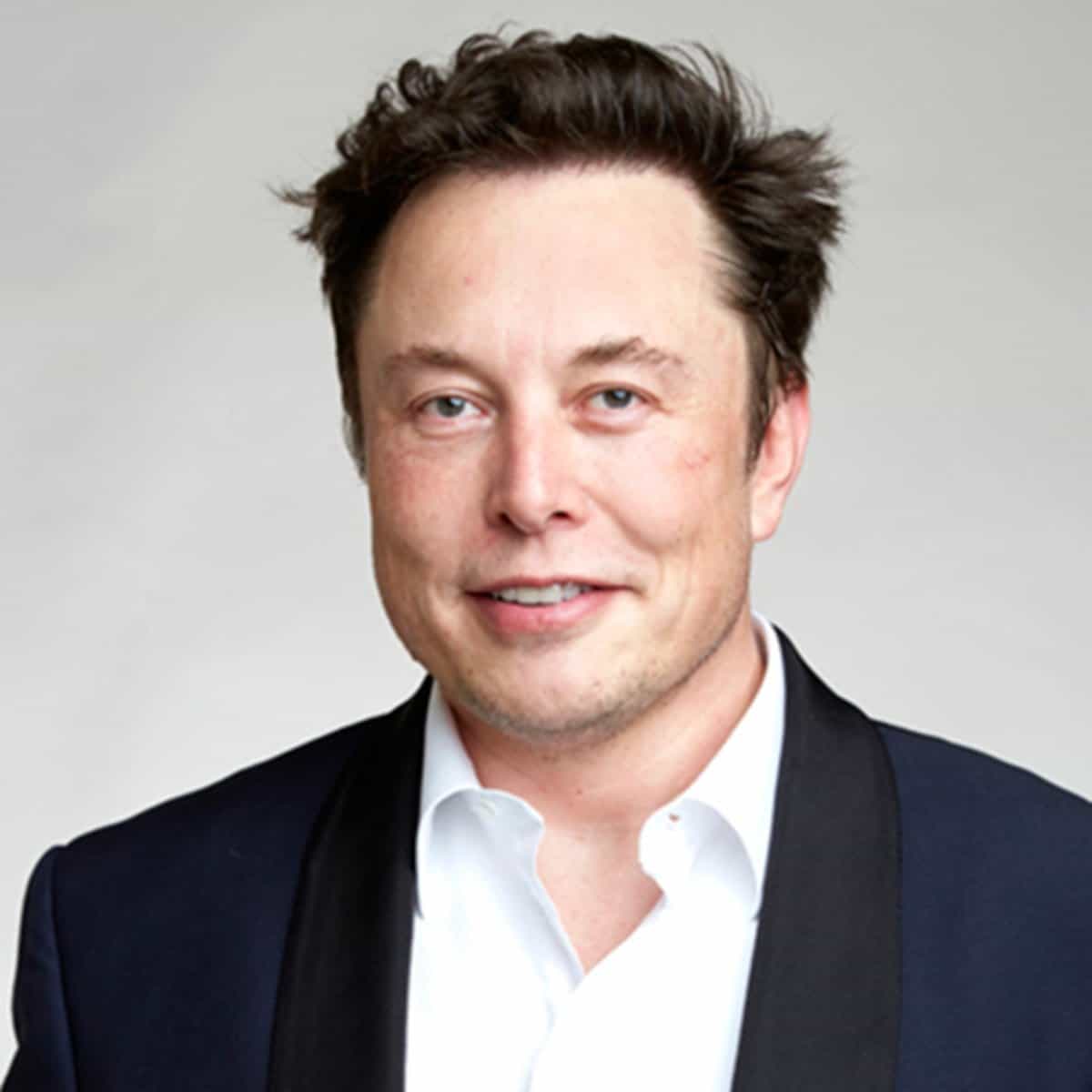
Elon Musk was born on June 28, 1971, in Pretoria, South Africa, to a wealthy family. His childhood was marked by a strong interest in reading and learning, which was encouraged by his parents. Musk’s family background played a significant role in shaping his early life, with his mother, Maye Musk, being a model and dietitian, and his father, Errol Musk, being an engineer.
Musk’s education began in South Africa, but he later emigrated to Canada in 1989 to attend college. He holds Canadian citizenship through his mother, who was born in Canada. Musk then moved to the United States to pursue his higher education, earning bachelor’s degrees from the University of Pennsylvania in 1997. This period of his life was crucial in laying the foundation for his future endeavors, as he developed a strong passion for business, technology, and innovation.
Musk’s early interests were diverse, ranging from science and technology to business and entrepreneurship. His family’s wealth and support allowed him to explore these interests, which ultimately led him to pursue his goals with determination and passion. With a strong educational background and a clear vision for his future, Musk was well-prepared to take on the challenges that lay ahead, setting the stage for his remarkable journey as a young entrepreneur.
Career and Entrepreneurial Ventures

Elon Musk entered the tech world in 1995 when he co‑founded Zip2, a city‑guide software company that provided online business directories for newspapers. After securing venture capital, Zip2 grew rapidly and was sold to Compaq for approximately $307 million in 1999, giving Musk his first major exit. He immediately turned his attention to financial services, launching X.com in 1999, an online payment platform that soon merged with Confinity. The combined entity rebranded as PayPal, and under Musk’s guidance it pioneered secure internet transactions. eBay acquired PayPal in 2002 for $1.5 billion, cementing Musk’s reputation as a serial entrepreneur capable of building and cashing out high‑impact startups.
With capital from these sales, Musk set his sights on transformative industries. In 2004 he became a principal investor and chairman of Tesla Motors, a company dedicated to producing high‑performance electric vehicles and accelerating the world’s transition to sustainable energy. The following year, he founded Space Exploration Technologies Corp. (SpaceX), aiming to reduce space transportation costs and enable human life on other planets. Both enterprises have since reshaped their sectors, reflecting Musk’s relentless drive to turn ambitious visions into reality.
Rise to Prominence and Current Business Ventures
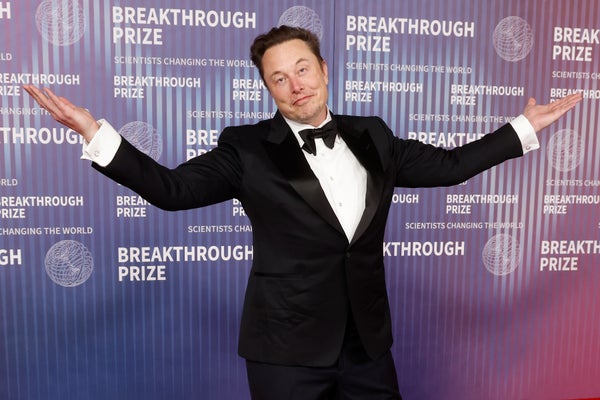
Elon Musk’s rise to prominence is a testament to his innovative spirit and entrepreneurial drive. Currently, he leads Tesla, a pioneering electric vehicle and clean energy company, and SpaceX, a private aerospace manufacturer and space transport services provider. Under his guidance, Tesla has become a leading player in the electric vehicle market, while SpaceX has achieved numerous milestones, including being the first privately funded company to launch a spacecraft into orbit.
In addition to his work with Tesla and SpaceX, Musk has founded or co-founded several other notable companies. X, a social media platform, and xAI, an artificial intelligence company, are his latest ventures. These endeavors reflect Musk’s ongoing commitment to pushing the boundaries of technology and innovation. Through his various business ventures, Musk has established himself as a visionary leader and a driving force behind some of the most significant technological advancements of our time.
As a result of his entrepreneurial achievements, Musk has become one of the most successful business leaders in the world. His leadership of Tesla, SpaceX, X, and xAI has not only generated significant economic value but also inspired a new generation of entrepreneurs and innovators. With his relentless pursuit of innovation and his willingness to take risks, Musk continues to shape the future of technology and transportation.
Net Worth and Wealth
Elon Musk’s net worth has grown dramatically over the years, and as of February 2026, Forbes estimates his net worth to be around US$852 billion, making him the wealthiest person in the world. This staggering figure is largely attributed to his stakes in major companies like Tesla and SpaceX, both of which have seen exponential growth under his leadership. Musk’s influence in the electric vehicle and space exploration industries has not only revolutionized these sectors but also significantly increased his personal wealth.
In addition to Tesla and SpaceX, Musk’s wealth is also bolstered by his ownership in X (formerly Twitter) and xAI, as well as other ventures. His business acumen and vision have turned him into a billionaire entrepreneur, with a net worth that fluctuates based on stock market performance and company valuations. Despite the volatility of his fortune, Musk remains at the top of the global wealth rankings, a testament to his success as a businessman and innovator.
Personal Life and Citizenship
Elon Musk was born on June 28, 1971, in Pretoria, South Africa, and emigrated to Canada in 1989, where he gained citizenship through his Canadian-born mother. He later moved to the United States to attend the University of Pennsylvania, earning dual bachelor’s degrees in physics and economics in 1997. In 2002, Musk became a U.S. citizen, a move that would support his growing influence in American business and technology.
Outside of his professional achievements, Musk has experienced several notable personal events. He has been married three times and has six children from different relationships. In recent years, he has become a prominent public figure not only for his business endeavors but also for his active presence on social media, particularly after acquiring Twitter (now X) in late 2022. His personal life often draws public attention, especially due to his high-profile relationships and family dynamics, which have been widely covered in the media.
Legacy and Impact
Elon Musk’s legacy extends far beyond his innovative companies and billionaire status. As a pioneering entrepreneur, he has revolutionized the way we think about sustainable energy, space exploration, and technological advancements. His impact on the business world is undeniable, inspiring a new generation of entrepreneurs and innovators to push the boundaries of what is possible.
Musk’s influence on society is also significant, with his companies Tesla and SpaceX driving meaningful change in the electric vehicle and renewable energy sectors. His commitment to making humanity a multi-planetary species through SpaceX’s ambitious goals has sparked a new wave of interest in space exploration and development. By disrupting traditional industries and challenging conventional thinking, Musk has left an indelible mark on the world, cementing his legacy as a visionary entrepreneur and innovator.
As a testament to his enduring impact, Musk’s work continues to inspire and motivate people around the world. His passion for innovation and willingness to take risks have created a ripple effect, encouraging others to pursue their own ambitious goals and visionary ideas. With his legacy already firmly established, Elon Musk will undoubtedly remain a leading figure in the business world and beyond, shaping the future of technology, sustainability, and space exploration for generations to come.