Kenya’s Turkana Region Faces Devastating Drought Amid National Food Surplus. As a quarter of Kenya’s population struggles with severe food shortages, a dire situation is unfolding in the country’s Turkana region. A crippling drought has left millions without access to clean water and food, with over 3 million people facing hunger in the area. The stark contrast to Kenya’s national food surplus is a harsh reality for communities like Kainama in Turkana county, where residents are forced to walk kilometres each day to a half-dried-up well. This crisis has raised concerns about the country’s agricultural sector and the impact of food waste on the nation’s food security.
Severe Drought Hits Kenya’s Turkana Region
| Event | Drought plagues Kenya’s Turkana |
| Location | Turkana county, Kenya |
| Key People/Organizations involved | Veronica Akalapatan |
| Status/Current Situation | Severe food shortages, drought, and water scarcity |
| Impact/Casualties | 3.4 million people without enough to eat, 800,000 children showing signs of malnutrition |
| Location Affected | 23 of Kenya’s 47 counties |
| Official Response | Authorities warn of drought, weather experts predict little relief |
| Population Affected | A quarter of Kenya’s population |
| Food Waste | Up to 40% of food produced is lost or wasted each year |
Severe Drought Hits Kenya’s Turkana Region
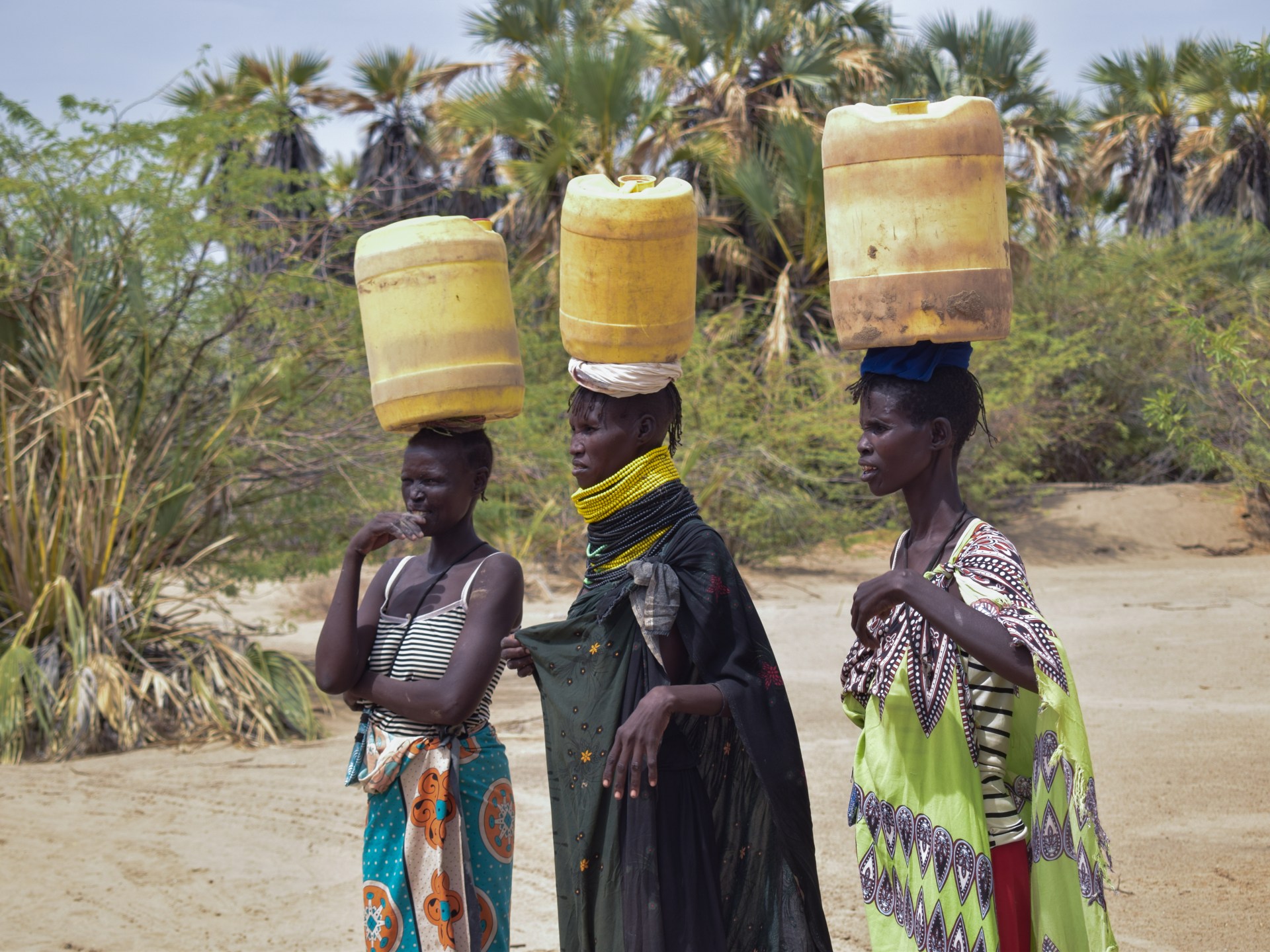
The relentless heat of Kainama in Turkana county has left residents like Veronica Akalapatan and her neighbours with no choice but to walk several kilometres each day to a half-dried-up well surrounded by the parched earth of northern Kenya. The dug-out hole in the ground with a wooden ladder is the only source of water in the area, and hundreds of people from several villages – and their livestock – share the well, most waiting hours to fill up small plastic buckets with meagre amounts of unclean water.
In Turkana, the land is rugged, roads disappear into dust, and villages are scattered across vast distances in a county of just more than a million people. Despite it being the rainy season, weather experts warn that Turkana and other arid regions may receive little relief. The scarcity of water has forced residents to dig for water in the well and collect fruit, with some even fighting over the limited resource.
The situation in Turkana is dire, with many residents struggling to access basic necessities. At least 800,000 children show signs of malnutrition, and livestock – the backbone of pastoral life – are dying. The drought has taken a toll on the community, leaving many wondering how they will survive.
The Alarming Rate of Food Waste in Kenya

In a country where millions are struggling to access basic necessities, the issue of food waste in Kenya is a stark reminder of the nation’s inefficiencies. According to experts, Kenya’s agricultural sector is plagued by a significant amount of food waste, with many farmers and producers unable to meet the demand for fresh produce. This surplus of food is often left to rot, despite the fact that millions of Kenyans are facing severe food shortages.
The Consequences of Food Waste
The consequences of food waste in Kenya are far-reaching, with many small-scale farmers struggling to make ends meet. These farmers often rely on a single crop, which can be wiped out by disease or pests, leaving them with little to no income. The situation is further exacerbated by the lack of infrastructure and storage facilities, which allows fresh produce to spoil before it even reaches the market. As a result, millions of Kenyans are left without access to nutritious food, exacerbating the already dire situation in the country.
A Call to Action
The issue of food waste in Kenya is a pressing concern that requires immediate attention. By implementing more efficient storage and transportation systems, as well as supporting small-scale farmers, the country can work towards reducing food waste and ensuring that everyone has access to nutritious food. This is a critical step towards addressing the food shortages that are plaguing the nation, and towards creating a more sustainable and equitable food system for all Kenyans.
A Quarter of Kenya’s Population Faces Food Shortages

In Kenya, a severe drought is plaguing the Turkana region, leaving millions without access to basic necessities. The situation is particularly dire, with over 3.4 million people facing food shortages. This staggering number accounts for nearly a quarter of the country’s population. The drought has also taken a toll on the agricultural sector, with livestock dying due to lack of water and food.
The drought’s impact on the agricultural sector is a pressing concern, as it threatens the livelihoods of many Kenyans. In the Turkana region, the land is rugged, and villages are scattered across vast distances, making it difficult to access basic resources. The situation is further exacerbated by the fact that it is the rainy season, yet weather experts warn that Turkana and other arid regions may receive little relief.
The drought’s effects are far-reaching, with 800,000 children showing signs of malnutrition. The situation is a stark reminder of the need for urgent action to address the crisis. As the drought continues to ravage the Turkana region, it is essential that authorities and international organizations work together to provide aid and support to those affected.
A Glut of Food in Kenya Amid Drought in Turkana
A Glut of Food in Kenya Amid Drought in Turkana
While millions of people in Kenya’s Turkana region are struggling to access basic necessities due to drought, the country is experiencing a surplus of food. Kenya’s agricultural sector has been thriving, with more than 3 million metric tons of food surplus in storage. This excess food is a stark contrast to the food shortages faced by those in Turkana, where drought has left many without access to clean water and nutritious food.
The food surplus is a result of a combination of factors, including favorable weather conditions and increased agricultural production. However, the surplus is not being utilized to alleviate the suffering of those affected by drought. Instead, the excess food is being stored, awaiting distribution to areas where it is needed. The disparity between food availability and access highlights the complexities of Kenya’s food system and the need for more effective distribution networks.
As Kenya continues to grapple with the challenges of drought and food shortages, it is clear that there is a disconnect between the country’s agricultural production and the needs of its most vulnerable populations. Efforts to address this disparity and ensure that food reaches those who need it most are underway, but more needs to be done to bridge the gap between food availability and access.
Efforts to Mitigate the Crisis in Turkana
Efforts to Mitigate the Crisis in Turkana
In an attempt to alleviate the dire situation, authorities in Turkana have been working to provide relief to the affected communities. Veronica Akalapatan, a resident of Kainama, has been waiting hours to fetch water from a half-dried-up well, which is the only source of water in the area. The well is shared by hundreds of people from several villages, including their livestock. The long wait has led to tensions among the community members, with some even resorting to fighting over the scarce resource.
To address the crisis, authorities are working to establish alternative sources of water and improve access to clean drinking water. However, the rugged terrain and vast distances between villages pose significant challenges to these efforts. The rainy season, which is usually a time of relief for the region, is also expected to bring little respite, with weather experts warning that Turkana and other arid regions may receive little rainfall.
In the meantime, residents like Akalapatan are forced to rely on collecting fruit and digging for water in the well, making every drop count. The situation is a stark reminder of the devastating impact of drought on communities in Turkana, where livestock are dying and hunger is widespread.
The Human Cost of Drought and Food Shortages
Veronica Akalapatan and her neighbors in Kainama, Turkana county, face a daunting task each day: searching for clean water. The half-dried-up well they rely on is shared by hundreds of people and their livestock, with many waiting hours to fill up small plastic buckets with meager amounts of unclean water. This is a stark reality for millions of people in Kenya, where 3.4 million people do not have enough to eat.
The situation is dire, with at least 800,000 children showing signs of malnutrition. The scarcity of food and water has left many communities vulnerable, with women like Akalapatan struggling to provide for their families. “Once we get here, we dig for water in the well and collect fruit. We wait for the water to fill the well,” she says. “We take turns to fetch it because there is so little. There are many of us, and sometimes we fight over it.”
The humanitarian crisis in Kenya’s Turkana region is a pressing concern, with over 3 million people facing hunger. The situation is further exacerbated by the fact that the rainy season has failed to bring much-needed relief to the affected areas. As the drought persists, the need for urgent support and assistance has never been more pressing.
Source: Al Jazeera