

Clementine Churchill was a remarkable woman who left an indelible mark on British history. As the wife of Winston Churchill, the Prime Minister of the United Kingdom, she played a pivotal role in his life and career. Born on 1 April 1885, Clementine was a devoted mother of five and a dedicated supporter of her husband’s political endeavors. Her philanthropic work, particularly during World War I and World War II, was instrumental in supporting the war efforts. As a member of the Red Cross, she demonstrated her compassion and dedication to helping those in need. This article will delve into her life, marriage, and contributions as a politician’s wife, exploring her net worth and the impact she had on British society.
A Life of Uncertainty: Clementine’s Early Years
The exact nature of Clementine’s family dynamics remains unclear, with her father’s role in her life a subject of speculation. Despite the ambiguity surrounding her parentage, Clementine’s early life laid the foundation for her future as a woman of action and substance. Her family’s influence, though complex, would shape her into the person she would become, a woman who would navigate the challenges of war and politics with courage and determination.
Clementine’s early life was marked by the complexities of her family’s relationships, but it was also a time of growth and development. As she entered adulthood, Clementine would find her place in the world, using her skills and talents to make a meaningful impact on those around her.
Love and Marriage: Clementine and Winston Churchill
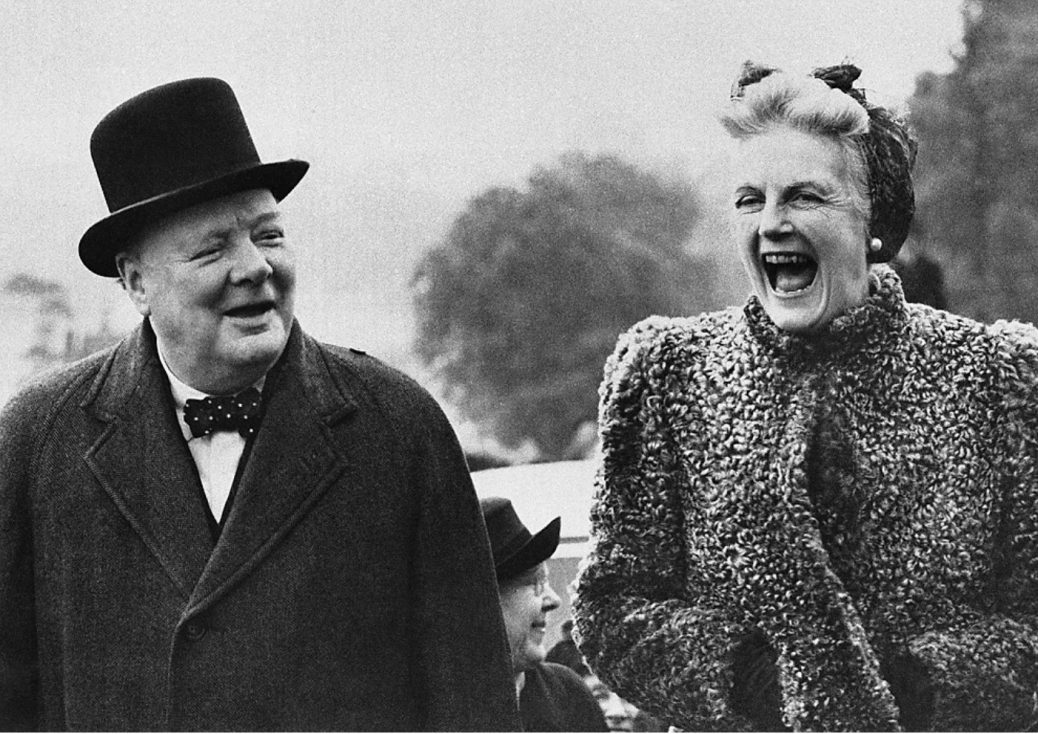
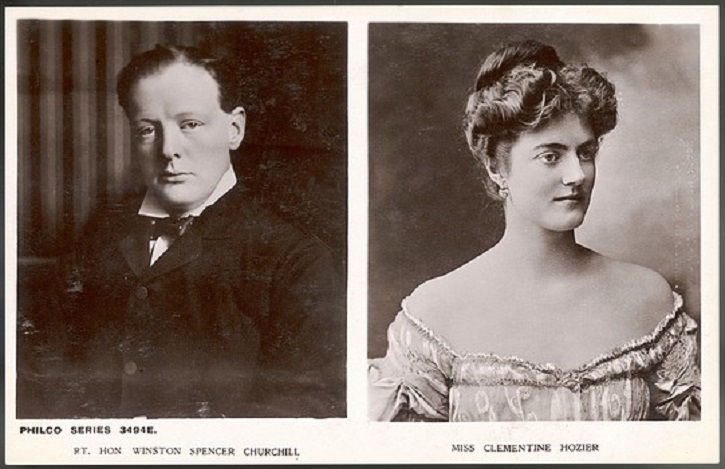
Clementine Churchill met Winston Churchill in 1904, and they began their marriage in 1908, which would last for 56 years. This union was a defining aspect of Clementine’s life, and she was not only Winston’s wife but also his closest confidante. The couple had five children together, with one of their daughters, Marigold, tragically passing away at the age of two due to sepsis.
Family Life and Raising Children
As a wife and mother, Clementine played a vital role in supporting Winston through his career and raising their children. Her children with Winston were Diana, Randolph, Sarah, Marigold, and Mary. Despite the demands of being a politician’s wife, Clementine found time to nurture her family and provide a stable home environment for her children to grow and thrive.
A Partnership of Love and Support
Throughout their long and eventful marriage, Clementine and Winston stood by each other through thick and thin. Their partnership was built on a deep love and mutual respect, which enabled them to navigate the challenges of politics and family life with ease. Clementine’s unwavering support and encouragement played a significant role in Winston’s success, both as a politician and as a leader during times of war.
A Woman of Action: Clementine’s Contributions During World War I
During World War I, Clementine Churchill demonstrated her unwavering commitment to the war effort by organizing canteens for munitions workers. These canteens provided essential services, including food and rest facilities, to the hardworking individuals who were instrumental in producing the ammunition and supplies needed by the British military. By supporting the men and women behind the scenes, Clementine played a crucial role in boosting morale and productivity among the workforce.
| Biography Aspect | Details |
|---|---|
| Full Name | Clementine Ogilvy Spencer-Churchill, Baroness Spencer-Churchill |
| Date of Birth | 1 April 1885 |
| Nationality | British |
| Occupation | Life Peer, Chairman of the Red Cross Aid to Russia Fund, President of the Young Women’s Christian Association War Time Appeal |
| Spouse / Partner | Winston Churchill |
| Children | Diana, Randolph, Sarah, Marigold, Mary |
| Notable Works / Achievements | Organised canteens for munitions workers during WWI, acted as Chairman of the Red Cross Aid to Russia Fund and President of the Young Women’s Christian Association War Time Appeal during WWII |
| Date of Death | 12 December 1977 |
| Age | 92 years |
Her efforts were not limited to administrative tasks; Clementine was also deeply involved in the day-to-day operations of the canteens. She worked tirelessly to ensure that the facilities were well-stocked and that the workers received the care and support they needed. Her dedication and compassion earned her the respect and admiration of the people she helped, and her contributions to the war effort were a testament to her strength and resilience.
Clementine’s work in organizing canteens for munitions workers was a significant contribution to the British war effort during World War I. Her selflessness and determination in the face of adversity inspired others to follow her example, and her legacy as a woman of action and compassion continues to be celebrated to this day. Her work in this area showcased her ability to think creatively and act decisively, skills that would serve her well in her future endeavors.
Supporting the War Effort: Clementine’s Work During World War II
During World War II, Clementine Churchill continued her work in supporting the war effort. As Chairman of the Red Cross Aid to Russia Fund, she played a crucial role in providing aid to those affected by the war in Russia. Her dedication to this cause was a testament to her commitment to helping those in need, and her leadership skills were instrumental in mobilizing support for the fund.
In addition to her work with the Red Cross, Clementine also served as President of the Young Women’s Christian Association War Time Appeal. This role allowed her to focus on supporting the women and young people affected by the war, and she worked tirelessly to provide them with the resources and support they needed to cope with the challenges of wartime. Her work in this area was a vital contribution to the war effort, and it helped to ensure that those who were most vulnerable were not forgotten.
Clementine’s wartime contributions were not limited to her work with the Red Cross and the Young Women’s Christian Association. She also played a key role in organizing other wartime efforts, including canteens for women factory workers. Her ability to bring people together and mobilize support for important causes was a hallmark of her leadership style, and it helped to make her a respected and influential figure in British society during World War II.
A Life of Service: Clementine’s Legacy and Later Years
Clementine’s involvement in charitable work continued unabated after World War II. She remained a prominent figure in British society, using her influence to support various causes. As Chairman of the Red Cross Aid to Russia Fund, she played a crucial role in providing aid to those affected by the war. Her dedication to charitable work earned her recognition and respect from her peers.
In the years following the war, Clementine’s legacy as a politician’s wife solidified. She was a constant source of support and comfort for her husband, Winston Churchill, during his tenure as Prime Minister. Her own contributions to the war effort, particularly during World War II, were a testament to her strength and resilience. Despite the challenges she faced, Clementine remained a pillar of strength, inspiring those around her with her unwavering dedication to her country and her family.
Clementine’s life as a life peer brought her a new sense of purpose and fulfillment. She used her position to advocate for various causes, leaving a lasting impact on British history. Her legacy extends far beyond her marriage to Winston Churchill, cementing her place as a remarkable woman in her own right.
A Woman of Substance: Clementine’s Achievements and Recognition
As a life peer, Clementine was recognized for her own contributions to British society, beyond her role as a politician’s wife. In 1922, she was created Baroness Spencer-Churchill of Chartwell, a title that reflected her own status as a respected figure in her own right. This recognition marked a significant milestone in her life, acknowledging her achievements and influence outside of her marriage.
Clementine’s wartime contributions earned her widespread recognition and admiration. As Chairman of the Red Cross Aid to Russia Fund, she played a crucial role in supporting those affected by the conflict. Her dedication to this cause, as well as her work as President of the Young Women’s Christian Association War Time Appeal, demonstrated her unwavering commitment to helping those in need. These efforts not only showcased her compassion but also highlighted her ability to mobilize resources and inspire others to action.
Clementine’s achievements during World War II cemented her place in British history, and her legacy continues to inspire future generations. Her tireless work on behalf of the Red Cross and other charitable organizations serves as a testament to her character and dedication to the greater good. Through her own achievements, Clementine proved that she was more than just a politician’s wife, but a woman of substance in her own right.