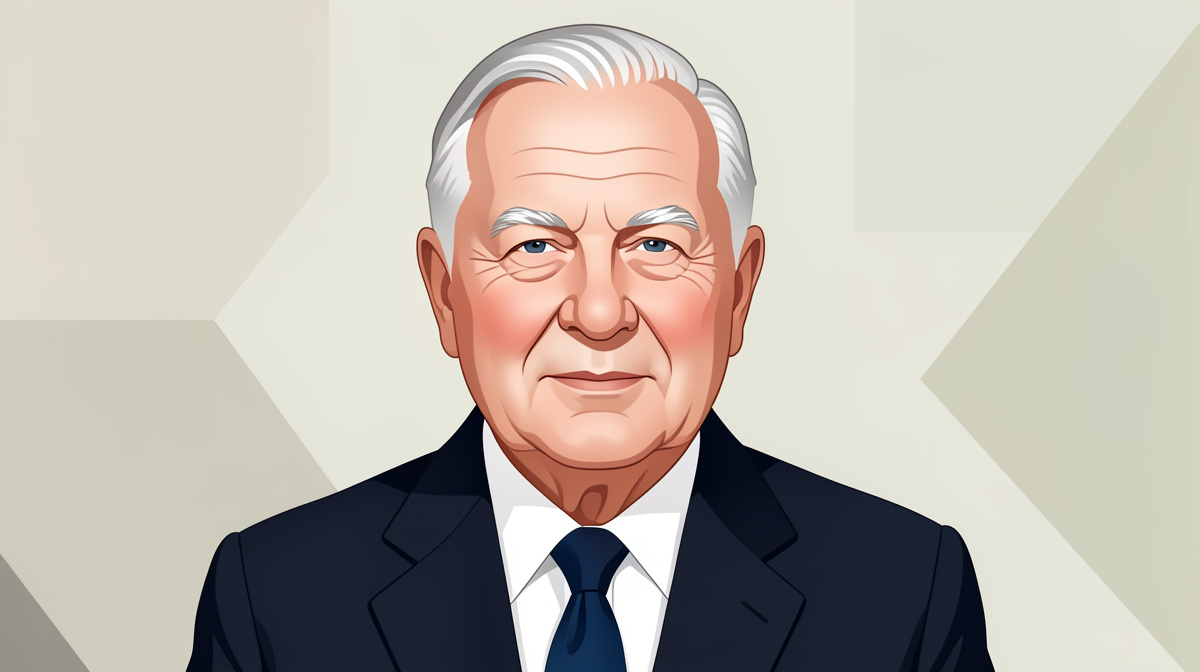
Neville Chamberlain was a British politician who left an indelible mark on history. Born on 18 March 1869, Chamberlain’s life was a testament to his dedication to public service. As the Prime Minister of the United Kingdom from May 1937 to May 1940, he implemented the Appeasement Policy, a foreign policy approach that aimed to prevent war through diplomacy. Chamberlain’s most notable achievement was the signing of the Munich Agreement on 30 September 1938, which had far-reaching consequences for Europe. His leadership during the early stages of World War II would shape the course of history.
Early Life and Business Background
Chamberlain’s early education took place at Rugby School and later at Mason College in Birmingham, where he studied chemistry and geology. After completing his education, he entered the family business, Chamberlain & Co., a firm that manufactured and exported rubber and other goods. Chamberlain’s business experience played a significant role in shaping his future career. He also gained valuable experience in local government, serving as a member of the Birmingham City Council from 1892 to 1898.
Rise to Power: Conservative Party and Prime Minister

Neville Chamberlain’s leadership of the Conservative Party marked a significant turning point in British politics. He was appointed Leader of the Conservative Party in May 1937, a position he held until October 1940. Chamberlain’s tenure as party leader was marked by his efforts to promote a more conciliatory approach to politics, which would later become a hallmark of his premiership.
Chamberlain’s appointment as Prime Minister in May 1937 was seen as a natural progression of his leadership within the Conservative Party. He was well-respected within the party for his experience in local government and his business background. As Prime Minister, Chamberlain sought to implement policies that would promote economic stability and social reform. However, his leadership style was often criticized for being overly cautious and lacking in decisiveness.
Chamberlain’s leadership of the Conservative Party and his tenure as Prime Minister were marked by significant challenges, including the global economic crisis of the 1930s and the rise of fascist powers in Europe. Despite these challenges, Chamberlain remained committed to his vision of a more peaceful and prosperous Britain, and his leadership style reflected this commitment.
Appeasement Policy and the Munich Agreement
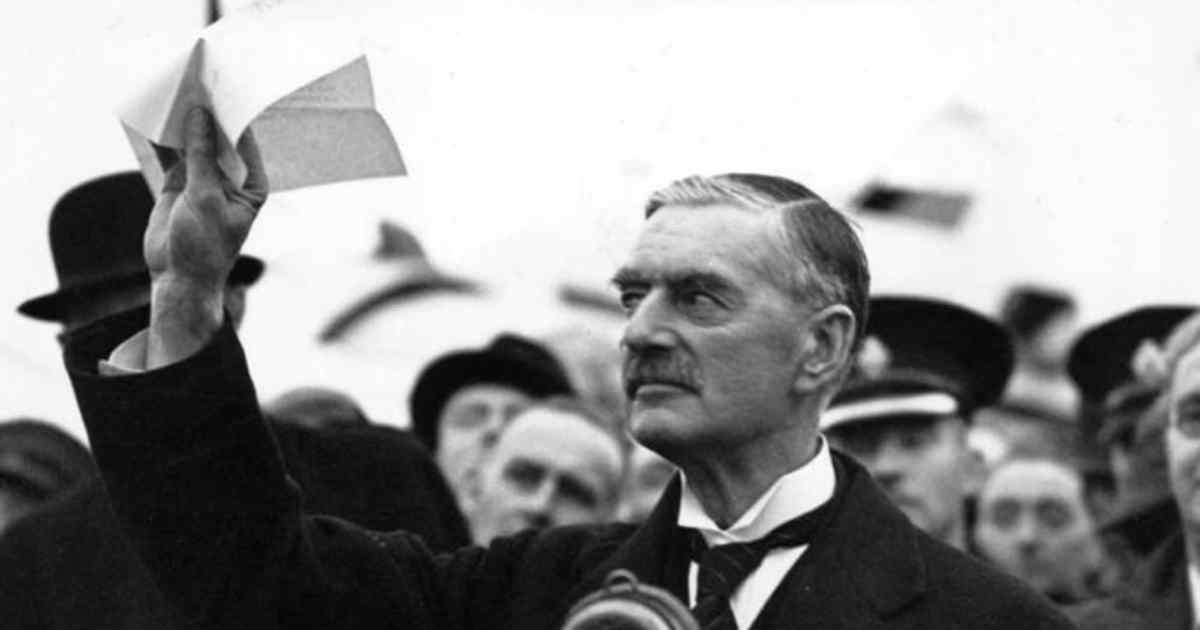
Neville Chamberlain’s foreign policy approach was characterized by a policy of appeasement, which aimed to avoid conflict with aggressive nations through concessions and negotiations. This approach was based on the belief that Germany, under the leadership of Adolf Hitler, was a rational actor that could be appeased through diplomatic means. Chamberlain’s government pursued a policy of appeasement in response to Germany’s growing aggression in Europe, particularly in the Sudetenland region of Czechoslovakia.
| Biography Aspect | Details |
|---|---|
| Full Name | Arthur Neville Chamberlain |
| Date of Birth | 18 March 1869 |
| Age | 71 years (at death) |
| Place of Birth | Edgbaston, Birmingham, England |
| Nationality | British |
| Occupation | Politician |
| Spouse / Partner | Anne Bailey (m. 1911) |
| Children | 2 (Diana and Frank) |
| Education | Rugby School, Mason College (now the University of Birmingham) |
| Notable Works / Achievements | Prime Minister of the United Kingdom (1937-1940), Leader of the Conservative Party (1937-1940) |
| Date of Death | 9 November 1940 |
The Munich Agreement, signed on 30 September 1938, was a key example of Chamberlain’s appeasement policy in action. The agreement ceded the Sudetenland region to Nazi Germany, with Chamberlain famously declaring that it marked the end of the threat of war in Europe. However, the agreement ultimately proved to be a failure, as Germany continued to pursue its aggressive expansionist policies. The invasion of Poland on 1 September 1939 marked the beginning of World War II, and Chamberlain’s government was forced to declare war on Germany two days later.
The Munich Agreement had significant consequences for international relations, as it emboldened Hitler’s aggressive ambitions and led to a significant shift in the balance of power in Europe. The agreement also damaged the reputation of Chamberlain and his government, as many Britons began to question the wisdom of appeasing Nazi Germany. The failure of the Munich Agreement ultimately contributed to Chamberlain’s resignation as Prime Minister in May 1940, and marked a turning point in British foreign policy towards a more resolute stance against Nazi aggression.
Leadership During World War II
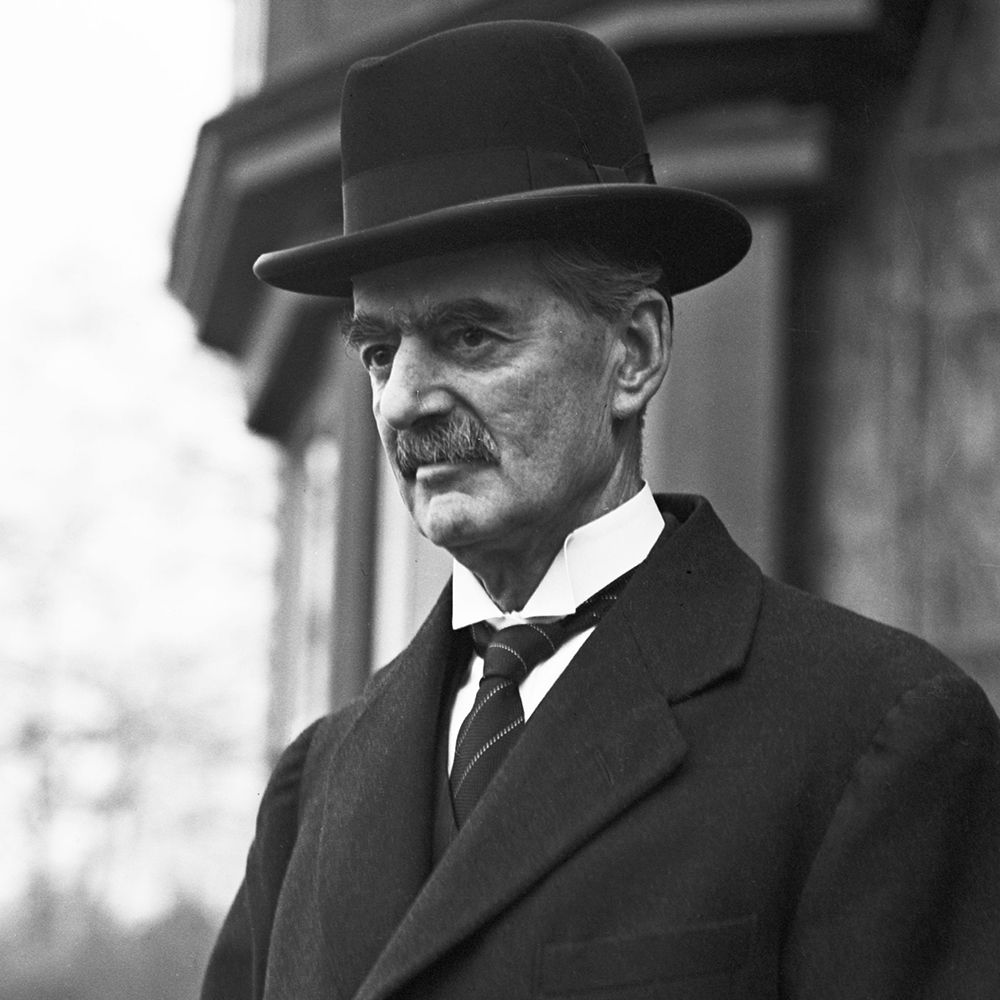
As the invasion of Poland by Nazi Germany on 1 September 1939 marked the beginning of World War II, Chamberlain announced the declaration of war on Germany two days later. This decision was made in accordance with the British guarantee of Polish independence, which had been promised in March 1939. Chamberlain’s leadership during this period was marked by a sense of urgency and determination, as he sought to rally the British people and mobilize the country’s military resources in preparation for the war effort.
Chamberlain’s leadership during the first eight months of the war was characterized by a strong sense of resolve and a commitment to defending British interests. He worked closely with his cabinet and military leaders to develop a strategy for the war, and he played a key role in rallying public support for the British war effort. Despite the challenges and setbacks that the country faced during this period, Chamberlain’s leadership helped to maintain a sense of stability and continuity, and he remained a key figure in British politics until his resignation as prime minister in 10 May 1940.
Personal Life and Marriage
Neville Chamberlain married Anne Kerr in 1911, and the couple had a daughter, Dorothy. The family lived at Highbury, a large house in Edgbaston, Birmingham. Chamberlain’s marriage was a long and happy one, with his wife supporting him throughout his career.
As a devoted husband and father, Chamberlain valued family life and made time for his loved ones despite his busy schedule. His daughter, Dorothy, was a talented musician, and Chamberlain was known to be a proud father. The Chamberlains also had a strong social circle and entertained many guests at their home. Chamberlain’s family life played an important role in his personal life, providing a sense of stability and comfort during his time as Prime Minister.
In addition to his family, Chamberlain was also an avid gardener and enjoyed spending time outdoors. He was particularly fond of roses and had a large collection at his home. Chamberlain’s love of gardening was a source of relaxation and enjoyment, allowing him to unwind from the pressures of his position.
Legacy and Impact on British Politics
Neville Chamberlain’s legacy in British politics is complex and multifaceted. As the leader of the Conservative Party from 1937 to 1940, he implemented policies that had a lasting impact on the country’s governance. Chamberlain’s emphasis on national unity and his efforts to maintain peace in the face of rising international tensions are notable aspects of his leadership.
However, Chamberlain’s appeasement policy, which aimed to avoid conflict with Nazi Germany, has been subject to intense criticism. Many historians argue that his approach emboldened Adolf Hitler’s aggressive expansionism, ultimately contributing to the outbreak of World War II. The policy’s failure to prevent the war has led some to view Chamberlain’s leadership as a missed opportunity to prevent the devastating conflict.
Chamberlain’s place in history remains a topic of debate among scholars and politicians. While some see him as a well-intentioned leader who prioritized national unity, others view him as a prime minister who failed to take decisive action against Nazi aggression. Regardless, Chamberlain’s legacy serves as a reminder of the complexities and challenges of international diplomacy, and the difficult decisions that leaders must make in times of crisis.