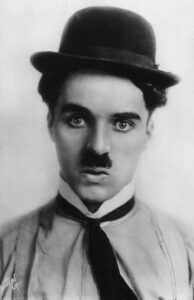

Max Aitken, 1st Baron Beaverbrook, a Canadian-British businessman and politician, left an indelible mark on 20th-century British media and politics. Born on May 25, 1879, Aitken’s entrepreneurial spirit and business acumen led him to amass a substantial fortune, becoming a millionaire by the age of 30. As a renowned newspaper publisher, he founded the Daily Express, the largest circulation newspaper in the world at the time. Aitken’s influence extended beyond the media, as he played a pivotal role in mobilizing industrial resources during World War II as Winston Churchill’s Minister of Aircraft Production.
From Humble Beginnings to Business Acumen
Max Aitken, later known as Baron Beaverbrook, was born on 25 May 1879. From a young age, he demonstrated a remarkable gift for making money. This talent would serve him well in his future endeavors. By the age of 30, Aitken had already become a millionaire, a testament to his business acumen.
Aitken’s financial success was largely due to his ability to identify and capitalize on opportunities. His entrepreneurial spirit and keen business sense allowed him to amass a significant fortune in a relatively short period. This achievement marked the beginning of his journey as a successful businessman, setting the stage for his future accomplishments.
As Aitken’s financial success grew, so did his ambitions. He began to seek new opportunities, which would eventually lead him to move to Britain. This pivotal decision would have a profound impact on his life and career, shaping him into the influential figure he would become.
The Daily Express: A Platform for Conservative Views
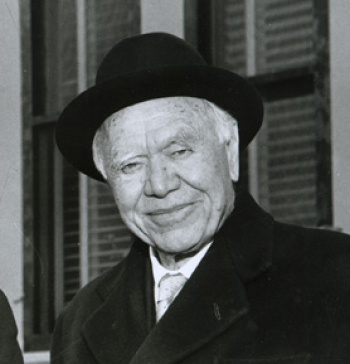
Under Aitken’s guidance, The Daily Express became a powerful tool for disseminating conservative ideology to a wide audience. The newspaper’s editorials were often written in a style that was both accessible and engaging, making complex issues seem simple and straightforward. This approach helped to build a loyal readership among the working class, who were drawn to the newspaper’s patriotic and conservative message.
Aitken’s vision for The Daily Express was to create a newspaper that would serve as a voice for the conservative working class. He believed that the newspaper should be a platform for conservative views, and he worked tirelessly to ensure that this vision was realized. Through his editorial leadership, Aitken helped to shape the newspaper’s content and tone, creating a publication that was both influential and widely read.
A Minister in Times of War: Mobilising Industrial Resources

During the Second World War, Max Aitken, now 1st Baron Beaverbrook, played a crucial role in mobilising industrial resources as Winston Churchill’s Minister of Aircraft Production. This appointment was a testament to Beaverbrook’s ability to bring people together and drive results in times of crisis. As Minister of Aircraft Production, Beaverbrook was instrumental in increasing aircraft production to meet the demands of the war effort.
| Biography Aspect | Details |
|---|---|
| Full Name | William Maxwell Aitken |
| Date of Birth | May 25, 1879 |
| Age | 85 years |
| Place of Birth | Maple, New Brunswick, Canada |
| Nationality | Canadian-British |
| Occupation | Newspaper Publisher, Politician |
| Spouse / Partner | Gladys Henderson Drury |
| Notable Works / Achievements | Minister of Aircraft Production, Daily Express publisher |
| Date of Death | June 9, 1964 |
Beaverbrook’s relationship with Winston Churchill was instrumental in his success as Minister of Aircraft Production. The two men worked closely together to identify areas where production could be improved and implemented policies to increase efficiency. Beaverbrook’s experience in the newspaper industry also proved valuable in his new role, as he was able to use his knowledge of production and logistics to streamline the aircraft production process. Under his leadership, aircraft production increased significantly, helping to turn the tide of the war in favour of the Allies.
Beaverbrook’s contributions to the war effort did not go unnoticed. His dedication and leadership skills earned him the respect of his colleagues and the admiration of the British people. In recognition of his service, Beaverbrook was appointed to the Order of the Companions of Honour in 1940.
A Network of Influential Friends and Allies

Max Aitken’s rise to prominence in British politics was largely facilitated by his network of influential friends and allies. One of his earliest and most significant connections was with Andrew Bonar Law, a former Prime Minister of the United Kingdom. Bonar Law’s support and mentorship played a crucial role in Aitken’s early career, introducing him to the inner circles of British politics.
Aitken’s friendship with Bonar Law was just the beginning of a long list of influential relationships that would shape his career. He also befriended Walter Riddell, a Scottish politician who would later become a key figure in Aitken’s rise to power. These connections not only provided Aitken with valuable advice and guidance but also opened doors to new opportunities and helped him build a reputation as a shrewd and ambitious politician.
A Life of Privilege and Power: Marriage and Legacy
In 1904, Max Aitken married Lilian Margitson, a woman from a respectable family in England. This marriage marked the beginning of a life of privilege for Aitken, who would later become the 1st Baron Beaverbrook. The couple had two daughters, Penelope and Heather, and a son, Max Aitken Jr., who would go on to inherit his father’s title. Beaverbrook’s family life was marked by a sense of luxury and comfort, reflecting his growing wealth and influence.
As a prominent figure in British society, Beaverbrook’s marriage and family life were closely watched by the public and the press. His wife, Lilian, was known for her elegance and poise, and the couple’s social connections were extensive. Through his marriage and social standing, Beaverbrook was able to expand his network of influential friends and allies, further solidifying his position in British media and politics.
Beaverbrook’s lasting impact on British media and politics cannot be overstated. As a pioneering newspaper publisher, he played a significant role in shaping public opinion and influencing the course of British history. His legacy extends beyond his own lifetime, with many regarding him as a key figure in the development of modern British media. Today, Beaverbrook’s name is still synonymous with power, privilege, and influence, a testament to his enduring impact on British society.
A Complex Figure: Controversies and Criticisms
Max Aitken, 1st Baron Beaverbrook, was not without controversy. His personal life was marred by scandal, including a highly publicized divorce from his first wife, Gladys Drury, in 1922. This was largely due to his affair with Marguerite “Bee” Simpson, a Canadian socialite, whom he later married in 1922. This was not Beaverbrook’s only extramarital relationship; he had numerous affairs throughout his life, often using his wealth and influence to maintain relationships with women.
Beaverbrook’s business dealings were also subject to criticism. He was known to be ruthless in his pursuit of wealth and power, often using his media outlets to promote his own interests and those of his friends and allies. His friendship with Andrew Bonar Law, the former Prime Minister of the United Kingdom, was particularly influential in securing Beaverbrook’s position in British politics. Beaverbrook’s use of his wealth and influence to further his own career and interests raised questions about his ethics and integrity.
Despite his many accomplishments, Beaverbrook’s personal life and business dealings were often shrouded in controversy. His relationships with women, particularly his marriage to Marguerite Simpson, were subject to scrutiny, and his use of his wealth and influence to further his own interests raised questions about his character. These controversies have had a lasting impact on Beaverbrook’s legacy, with many viewing him as a complex and often unsavory figure.
A Legacy in British Media and Politics
Max Aitken, 1st Baron Beaverbrook, left an indelible mark on British media and politics, shaping the country’s journalistic landscape and influencing future generations. As a pioneering newspaper publisher, he owned the largest circulation newspaper in the world, the Daily Express, which became a platform for conservative views and patriotic news. His editorial style, which appealed to the working class, helped establish the paper as a powerful voice in British politics.
Beaverbrook’s influence extended beyond his newspaper empire, as he became a respected figure in British politics. His network of influential friends and allies, including Andrew Bonar Law, helped further his career and cement his position as a key player in British media and politics. Through his relationships and publications, Beaverbrook played a significant role in shaping public opinion and influencing the country’s direction.
Beaverbrook’s legacy in British media and politics continues to be felt today. His innovative approach to journalism and his commitment to conservative values have inspired generations of politicians and journalists. As a testament to his enduring impact, he was awarded a peerage in 1919, becoming the 1st Baron Beaverbrook, a title that reflected his status as a respected figure in British society.