

As the world grapples with the ongoing threat of the Ebola virus, a contentious plan to establish a quarantine and treatment centre in Kenya has ignited intense criticism from the international health community. The proposed centre, which would cater exclusively to American citizens exposed to the virus, has been met with widespread disapproval from former top US officials and health experts. The plan diverges from the standard practice of the US Centers for Disease Control and Prevention (CDC), which typically brings infected staff back to the United States for treatment and offers support to all affected health workers. The controversy has raised questions about the fairness and effectiveness of the proposed centre, sparking a heated debate that is set to unfold in the coming days.
Kenyan Health Officials Defend Unconventional Ebola Quarantine Plan
Kenyan Health Officials Defend Unconventional Ebola Quarantine Plan
| Aspect | Details |
|---|---|
| Event | American-only Ebola quarantine centre plan criticised |
| Location | Kenya |
| Key People/Organizations involved | Former top US officials, CDC staff, Trump administration, Kenyan government |
| Status/Current Situation | Plan in place despite Kenyan high court block |
| Official Response | Letter to Congress from former US health leaders |
| Key Details | Plan departs from policy of bringing CDC staff back to US for treatment |
| Location of Quarantine Centre | Laikipia airbase, Kenya |
| Event Date | Saturday (no specific date mentioned) |
Kenyan health officials have defended their decision to set up an Ebola quarantine centre in the country, despite criticism from experts. The centre is specifically designed for American health workers who may have been exposed to the virus. The plan has been implemented despite a court order blocking the US government’s plans to establish a field hospital in Kenya for the quarantine and treatment of Americans.
Kenyan officials argue that the centre is necessary to protect American health workers who may have been exposed to the virus while working in the country. The centre is reportedly located at the Laikipia airbase, where the first American responders landed on Saturday. However, critics have raised concerns about the ethics and operational feasibility of the plan, with some questioning how it was arrived at. Daniel Jernigan, a former top-level CDC official, has expressed his objections to the plan, stating that it is “against so many ethical underpinnings that we have relied on for all of the past responses.”
The Kenyan government has maintained that the centre is necessary to protect American health workers, but has not provided further details on the plan. The centre is reportedly being run in collaboration with the US government, despite the court order blocking the establishment of a field hospital. The decision to set up the centre has sparked controversy, with some questioning the motivations behind the plan and the potential risks it may pose to public health.
CDC Treatment Policy Shift Sparks Confusion and Concern Among Experts
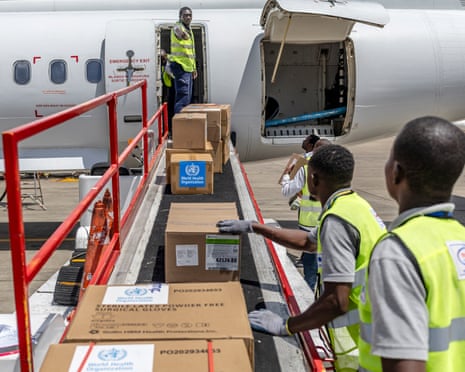
The US Centers for Disease Control and Prevention’s (CDC) policy shift on treating Ebola has sparked confusion and concern among experts. The CDC’s decision to establish an American-only Ebola quarantine centre in Kenya has raised profound clinical, ethical, operational, and legal concerns. Former top US officials and other experts have urged the Trump administration to abandon the plan, citing the departure from the policy of bringing CDC staff back to the US for treatment and offering support to all health workers.
The CDC’s new policy has been met with criticism from several former US health leaders, including Daniel Jernigan, who spent 31 years at the CDC, including overseeing the agency’s Ebola response in 2014-15. Jernigan has questioned how current officials arrived at this plan, given its contradiction to ethical underpinnings that have guided past responses. The CDC’s policy shift has also been criticized by the union for workers with the US Centers for Disease Control and Prevention, which has called for Americans exposed to Ebola to be brought home for treatment.
The CDC’s decision to establish an American-only quarantine centre in Kenya has sparked debate about the global health response to the Ebola crisis. Critics argue that the policy raises questions about the prioritization of American health workers over others who may be exposed to the disease. The CDC’s policy shift has also sparked concerns about the international health community’s response to the crisis, with some experts calling for a more coordinated and inclusive approach to addressing the outbreak.
International Health Community Criticises Kenya’s American-Only Ebola Quarantine
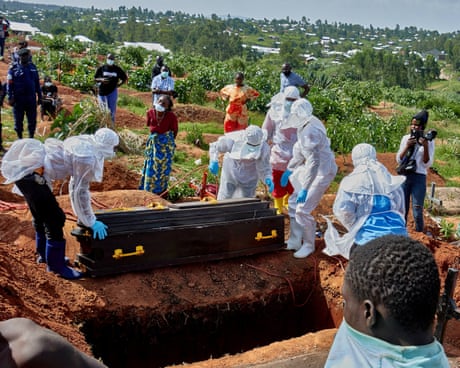
The international health community is expressing deep concerns over the plan for an American-only Ebola quarantine centre in Kenya. Former top US officials and other experts have come together to urge the Trump administration to abandon the plan, citing profound clinical, ethical, operational, and legal concerns. In a letter to Congress, they highlighted the need for a more inclusive approach that prioritizes the health and safety of all individuals, regardless of nationality.
The plan has been met with criticism from various quarters, with some experts questioning the rationale behind it. Daniel Jernigan, a former top-level CDC official, expressed his concerns, stating that the policy is at odds with established ethical underpinnings. He noted that it is unclear how current officials arrived at this plan, given the numerous health risks associated with it.
The international health community is calling for a more coordinated and inclusive response to the Ebola crisis. With the virus spreading rapidly across Africa, it is essential that health workers and individuals from all nationalities receive equal attention and support. The current plan has sparked widespread criticism, and it remains to be seen how the situation will unfold in the coming days.
Kenya’s Ebola Quarantine Centre Raises Questions About Health Worker Support
A group of former top US officials and experts are urging the Trump administration to abandon plans for an Ebola quarantine and treatment centre in Kenya. The centre, which is intended for American responders, has raised profound clinical, ethical, operational, and legal concerns, according to a letter to Congress signed by several former US health leaders. The letter highlights the inconsistency of the plan, which departs from the policy of bringing CDC staff back to the US for treatment and offering support to all health workers.
The plan has been met with criticism from within the CDC, with some officials questioning the decision to establish a separate centre for American responders. Daniel Jernigan, a former CDC official who oversaw the agency’s Ebola response in 2014-15, expressed concerns about the plan’s alignment with established ethical underpinnings. The establishment of the centre has also sparked debate about the support and resources available to health workers in Kenya, with some experts arguing that the focus on American responders overlooks the needs of local healthcare staff.
The controversy surrounding the Ebola quarantine centre has highlighted the complexities of global health cooperation and the need for a coordinated response to public health crises. As the situation in Kenya continues to unfold, experts are calling for a more inclusive and equitable approach to addressing the Ebola outbreak, one that prioritizes the needs of all health workers, regardless of nationality.
What’s Next for Kenya’s Ebola Response and Global Health Cooperation?
The controversy surrounding the Ebola quarantine centre in Kenya has sparked concerns about the future of Kenya’s Ebola response and global health cooperation. Former top US officials and experts have urged the Trump administration to abandon the plan, citing profound clinical, ethical, operational, and legal concerns. This shift in policy has raised questions about the role of international cooperation in addressing global health crises.
The Kenyan high court’s decision to block the order was met with a joint effort by the Kenyan and US governments to move forward with the plan. However, this move has been met with resistance from former US health leaders, who have expressed their objections in a letter to Congress. The policy raises concerns about the prioritization of American health workers over others, sparking debate about the fairness and effectiveness of the response.
The situation in Kenya highlights the need for clear and consistent policies in global health cooperation. As the Ebola crisis continues to unfold, it remains to be seen how the Kenyan government and the international community will work together to address the crisis. The controversy surrounding the quarantine centre has brought attention to the importance of international cooperation and the need for clear policies in addressing global health crises.

