
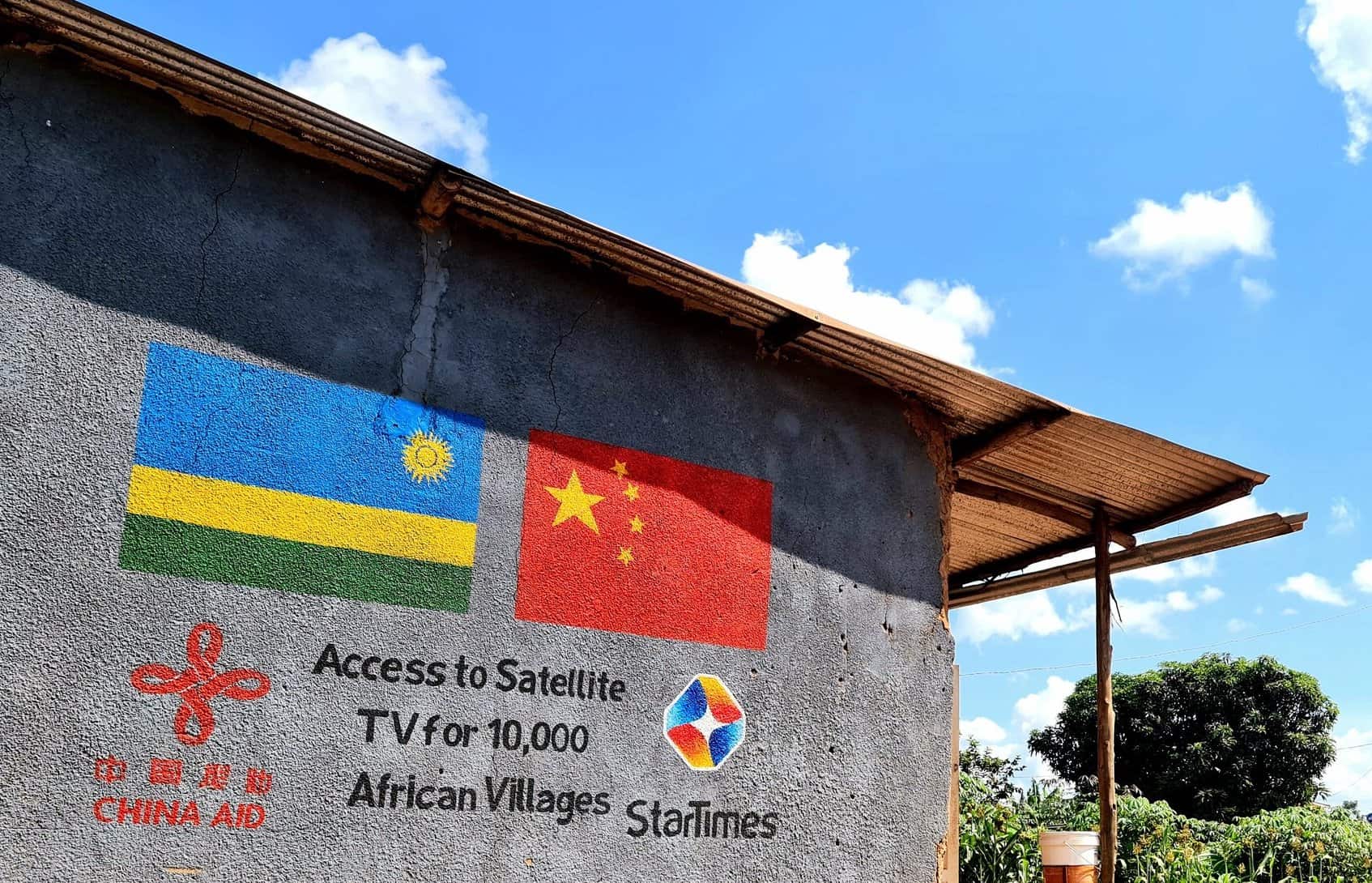
As the African continent continues to experience rapid digital transformation, the entry of Chinese media giant StarTimes into the Kenyan market in 2012 marked a significant milestone in the region’s media landscape. With its affordable digital TV packages and focus on local content, StarTimes expanded access to digital broadcasting, bringing a new wave of media options to Kenyan viewers. Today, the company dominates digital broadcasting in Kenya and beyond, with its online video streaming platforms reshaping media access and cultural narratives across the continent.
StarTimes Enters Africa’s Growing Online Video Market
In 2012, Chinese media company StarTimes entered the Kenyan market, expanding digital TV access through affordable packages and improved media infrastructure. This move marked the beginning of a significant shift in the way Africans consume media. StarTimes’ focus on local content has been a key factor in its success, with the company investing heavily in producing and broadcasting content that resonates with local audiences. The company’s commitment to digital broadcasting has also improved media infrastructure in Kenya, making it easier for people to access a wide range of content.
| Aspect | Details |
|---|---|
| Event | StarTimes expands Chinese online video streaming platforms in Africa |
| Date | October 3, 2025 |
| Location | Kenya |
| Key People/Organizations involved | StarTimes, Cliff Mboya, Samir Bhattacharya |
| Status/Current Situation | Dominating digital broadcasting in Kenya and beyond |
| Impact/Casualties | Concerns over media sovereignty and China’s growing soft power in Africa |
| Year StarTimes entered the Kenyan market | 2012 |
| Report Title | Chinese Media in Africa: The Case of StarTimes in Kenya |
| Report Authors | Cliff Mboya, Samir Bhattacharya |
| Report Number | ORF Special Report No. 281 |
The demand for online video streaming services in Africa is growing rapidly, driven by increasing internet penetration and the rise of mobile devices. StarTimes has been at the forefront of this trend, offering a range of online video streaming services that cater to diverse tastes and preferences. The company’s expansion plans in Africa are ambitious, with a focus on entering new markets and increasing its market share. With its affordable packages and commitment to local content, StarTimes is well-positioned to capitalize on the growing demand for online video streaming services in Africa.
As the online video market in Africa continues to grow, StarTimes is poised to play a significant role in shaping the media landscape. The company’s investment in digital broadcasting and online video streaming services has improved media access and choice for millions of Africans. With its focus on local content and commitment to digital broadcasting, StarTimes is helping to drive the growth of the online video market in Africa, creating new opportunities for content creators, producers, and distributors.
Reshaping Media Access: StarTimes’ Impact on Kenyan Viewers
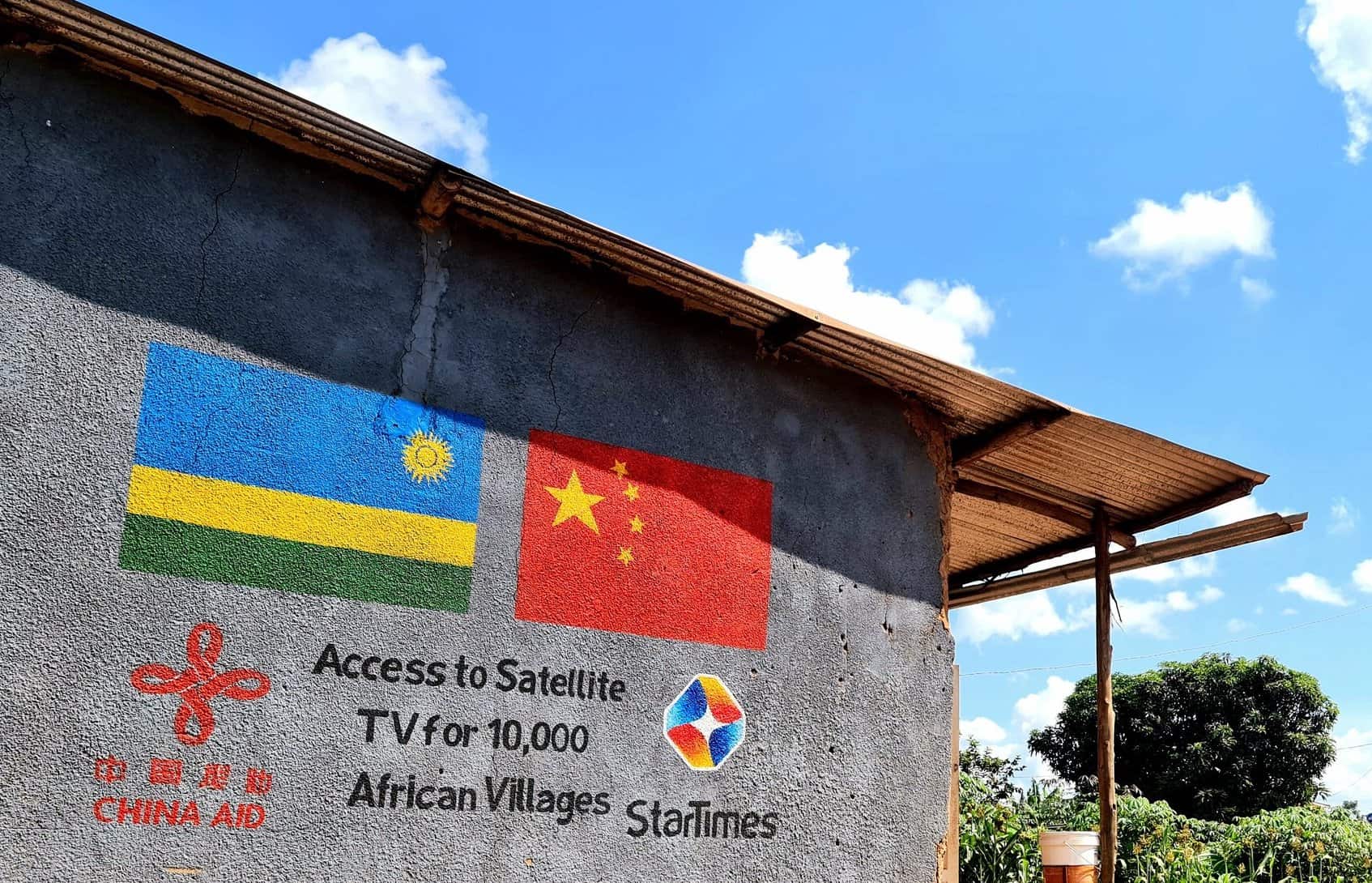
The entry of StarTimes into the Kenyan market in 2012 marked a significant shift in the way Kenyans consume media. The company’s focus on affordable packages and improved media infrastructure has expanded digital TV access to a wider audience. Over 70% of Kenyans now have access to digital TV, up from just 10% in 2012, according to recent statistics. This expansion has had a profound impact on the country’s media landscape, providing viewers with a wider range of channels and programming options.
Targeting a Young and Urban Audience
StarTimes’ services have proven particularly popular among young and urban Kenyans. The company’s online video streaming service has seen a significant uptake among users aged 18-35, who are increasingly seeking out digital content on their mobile devices. This demographic is also driving demand for local content, with StarTimes investing heavily in Kenyan programming. The company’s focus on local content has helped to promote Kenyan culture and talent, while also providing a platform for African storytelling.
Enhancing Media Access and Opportunities
StarTimes’ expansion has not only increased media access but also created new opportunities for Kenyan content creators. The company has partnered with local producers to develop a range of Kenyan programming, including dramas, comedies, and documentaries. This collaboration has helped to promote Kenyan talent and provide a platform for African storytelling, while also enhancing media access and opportunities for Kenyan viewers.
Cultural Narratives and the Rise of Chinese Media in Africa

The entry of StarTimes into the African market has brought about a significant shift in the way media is consumed on the continent. The company’s focus on promoting Chinese culture through its programming has subtly shaped public perception and fostered pro-China narratives. StarTimes’ programming promotes Chinese culture, subtly shaping public perception and fostering pro-China narratives. This has raised concerns over media sovereignty and China’s growing soft power in Africa.
The cultural implications of StarTimes’ expansion in Africa are multifaceted. On one hand, the company’s efforts to promote Chinese culture have contributed to a growing interest in Chinese language and culture among Africans. StarTimes’ programming promotes Chinese culture, subtly shaping public perception and fostering pro-China narratives. On the other hand, the dominance of Chinese media in Africa has raised concerns over the potential for cultural homogenization and the loss of local cultural identities.
Despite these concerns, the potential for cultural exchange between China and Africa remains a significant aspect of StarTimes’ operations. The company’s focus on local content creation has enabled African artists and producers to showcase their work to a wider audience, fostering a sense of cultural exchange and cooperation between the two regions. The company continues to dominate digital broadcasting in Kenya and beyond, balancing the benefits of its investments with the need to protect media independence and diversity remains a pressing challenge for African stakeholders.
Digital Broadcasting and the Future of Media in Kenya
The entry of StarTimes into the Kenyan market in 2012 marked a significant shift in the country’s media landscape. The company’s digital broadcasting services have expanded access to television for millions of Kenyans, providing affordable packages and improved media infrastructure. This has been particularly beneficial for low-income households, who can now enjoy a range of local and international channels at an affordable price.
The benefits of digital broadcasting are numerous. Digital TV allows for high-definition viewing, improved sound quality, and a wider range of channels, making it a more engaging and immersive experience for viewers. Additionally, digital broadcasting enables more efficient use of bandwidth, allowing for more channels to be broadcast simultaneously. This has led to an increase in media access and a more diverse range of programming options for Kenyan viewers.
As the demand for digital broadcasting continues to grow, it is likely that StarTimes will play a key role in shaping the future of media in Kenya. The company’s commitment to local content creation has been a major factor in its success, providing Kenyans with a range of programming that reflects their interests and cultural identities. As the media landscape continues to evolve, it will be interesting to see how StarTimes adapts to changing viewer habits and preferences.
Regulatory Environment and the Future of Chinese Media in Africa
The regulatory environment in Kenya plays a crucial role in shaping the operations of Chinese media companies like StarTimes. The country’s Communications Authority (CA) is responsible for overseeing the broadcasting sector, ensuring that all operators comply with the set regulations. In 2013, the CA introduced the Digital Migration Policy, which aimed to transition the country from analog to digital broadcasting. StarTimes was among the first companies to benefit from this policy, as it allowed the company to expand its digital TV services and reach a wider audience.
However, the regulatory environment in Kenya is not without its challenges. In recent years, there have been concerns over the increasing dominance of foreign media companies, including Chinese players, in the Kenyan market. This has led to calls for stricter regulations to protect local media outlets and promote media diversity. The Kenyan government has responded by introducing new regulations, such as the Media Council of Kenya Act, which aims to promote media professionalism and self-regulation. While these efforts are aimed at promoting a healthy media environment, they also pose a challenge for Chinese media companies like StarTimes, which must adapt to the changing regulatory landscape.
The future of Chinese media in Africa will depend on how companies like StarTimes navigate the complex regulatory environment in Kenya and beyond. As the demand for digital broadcasting services continues to grow, it is likely that the regulatory environment will become even more critical. The Kenyan government will need to strike a balance between promoting media diversity and ensuring that foreign media companies like StarTimes continue to invest in the country. The implications for the industry will be significant, and it remains to be seen how Chinese media companies will adapt to the changing regulatory landscape.
Expert Analysis: The Pros and Cons of StarTimes’ Expansion in Africa
The entry of StarTimes into the African market has been a game-changer for digital TV access, with the company’s affordable packages and focus on local content making it a popular choice for viewers. However, its operations have also raised concerns over media sovereignty and China’s growing soft power in Africa. StarTimes’ programming promotes Chinese culture, subtly shaping public perception and fostering pro-China narratives. While this can be seen as a positive aspect of the company’s influence, it also raises questions about the potential risks of cultural homogenization and the impact on local media diversity.
A Balance Between Benefits and Risks
On the one hand, StarTimes’ expansion has brought significant benefits to the African media landscape, including improved media infrastructure and enhanced digital TV access. The company’s focus on local content has also helped to promote African talent and creativity. However, the company’s operations also pose risks, particularly in terms of media sovereignty and the potential for cultural homogenization. Balancing the benefits of its investments with the need to protect media independence and diversity remains a pressing challenge for African stakeholders. As the company continues to dominate digital broadcasting in Africa, it is essential to carefully consider the implications of its operations and ensure that they align with the needs and values of local communities.
Conclusion: The Future of Media in Africa and the Role of StarTimes
The entry of StarTimes into the African market has expanded digital TV access through affordable packages, improved media infrastructure, and a focus on local content. This has led to a significant increase in media access for millions of Africans, particularly in Kenya where the company has made a significant impact. StarTimes’ digital broadcasting services have reached a large audience, with the company’s target audience consisting of young, urban, and middle-class viewers.
The implications of StarTimes’ expansion in Africa are far-reaching, with the company playing a crucial role in shaping cultural narratives and promoting Chinese culture on the continent. While this has raised concerns over media sovereignty and China’s growing soft power in Africa, it has also led to a greater exchange of cultural ideas and values between China and Africa. The company’s focus on local content creation has also led to the development of a more diverse and inclusive media landscape in Kenya.
As StarTimes continues to dominate digital broadcasting in Kenya and beyond, the potential for future growth and development is significant. The company’s expansion plans in Africa are expected to continue, with a focus on further improving media infrastructure and increasing access to online video streaming services. The growth of digital broadcasting in Africa is expected to reach new heights in the coming years, with StarTimes at the forefront of this trend.