

Kenya’s Jomo Kenyatta International Airport has become the focal point of a heated debate among global health experts over a proposed American-only Ebola quarantine centre. The plan, which has sparked intense criticism from experts and former top US officials, marks a departure from the standard policy of bringing CDC staff back to the US for treatment and offering support to all health workers. The controversy centres on the decision to establish a quarantine centre exclusively for American citizens, leaving many to question the fairness and effectiveness of this approach. As the global community grapples with the ever-present threat of Ebola, the Kenyan quarantine centre has emerged as a contentious issue, with many experts urging the US administration to reconsider its plans.
CDC’s Departure from Standard Ebola Treatment Protocol
The US Centers for Disease Control and Prevention (CDC) has announced plans to establish an Ebola quarantine and treatment centre in Kenya, exclusively for American citizens. This policy departs from the standard protocol of bringing CDC staff back to the US for treatment and offering support to all health workers. The CDC’s decision has raised concerns among former top US officials and global health experts, who have urged the Trump administration to reconsider this approach.
| Aspect | Details |
|---|---|
| Event | Plan for American-only Ebola quarantine centre in Kenya |
| Location | Kenya |
| Key People/Organizations involved | Trump administration, US Centers for Disease Control and Prevention (CDC), Kenyan government |
| Status/Current Situation | Plan blocked by Kenyan high court, but US and Kenyan governments moved forward |
| Official Response | Letter to Congress from former top US officials and experts |
| Key Criticisms | Plan raises clinical, ethical, operational, and legal concerns |
| Location of Quarantine Centre | Laikipia airbase, Kenya |
| Key Figures | Daniel Jernigan, former CDC official; union for workers with the US CDC |
| Reason for Criticism | Plan departs from policy of bringing CDC staff back to US for treatment and offering support to all health workers |
The new policy has been criticized for its unequal treatment of health workers. The CDC’s previous protocol, which was followed during the 2014-15 Ebola outbreak, emphasized the importance of bringing all health workers back to the US for treatment, regardless of their nationality. This approach was based on the principle of solidarity and mutual support among health workers, who often put their lives at risk to combat infectious diseases. The CDC’s departure from this policy has been met with criticism, with some experts arguing that it undermines the spirit of international cooperation and solidarity in the face of public health crises.
The CDC’s decision to establish an American-only quarantine centre in Kenya has been justified by the need to provide specialized care to American citizens. However, critics argue that this approach is not only unfair but also impractical, as it creates a two-tiered system of treatment that may undermine the trust and cooperation of local health workers. The CDC’s policy raises profound clinical, ethical, operational, and legal concerns, according to a letter signed by several former top US health leaders.
Global Health Experts Criticize the American-Only Centre
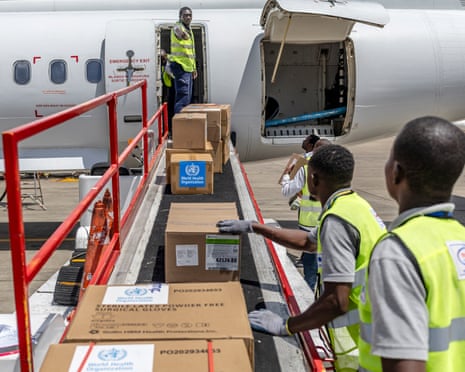
The unequal treatment of health workers is a major concern, with some experts warning that it could have serious consequences for global Ebola response efforts. If Americans are treated differently from other health workers, it could undermine trust and cooperation between countries and health organizations. This could ultimately hinder efforts to combat the spread of Ebola and other infectious diseases.
Kenyan Health Workers Fear Disproportionate Burden
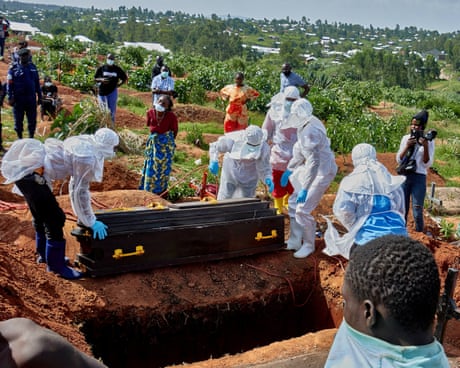
Kenyan health workers are expressing deep concerns about the plan for an American-only Ebola quarantine centre in Kenya. They fear that the policy will place an unfair burden on them, putting their lives at risk without adequate support or compensation. “We are worried that we will be left to deal with the consequences of this policy, while American health workers are taken care of in a separate facility,” said a Kenyan health worker, who wished to remain anonymous.
The Kenyan Union of Clinical Officers (KUCO) has also spoken out against the policy, calling it “unfair and discriminatory.” The union is demanding that the Kenyan government and the US CDC reconsider the plan and provide equal treatment to all health workers, regardless of their nationality. Kenyan health workers are already stretched thin, dealing with the ongoing COVID-19 pandemic and other health crises, and they feel that this policy will only add to their workload and stress.
The Kenyan health workers are not just concerned about their own safety, but also about the potential consequences of this policy on the broader public health response in Kenya. If the policy is implemented, it could create a sense of mistrust and resentment among Kenyan health workers, who may feel that their lives are not valued equally to those of their American counterparts. This could have serious implications for the effectiveness of the Ebola response efforts in Kenya, and could ultimately put more lives at risk.
International Health Organizations Weigh In on the Controversy
The World Health Organization (WHO) has expressed concerns about the US Centers for Disease Control and Prevention’s (CDC) decision to establish an American-only Ebola quarantine centre in Kenya. WHO officials have stated that the policy raises questions about fairness and equality in the treatment of health workers exposed to Ebola. The organization has emphasized the importance of providing equal access to medical care for all individuals, regardless of their nationality.
The European Commission’s Civil Protection and Humanitarian Aid Operations (ECHO) has also weighed in on the controversy, highlighting the potential risks of creating a separate treatment centre for Americans. ECHO officials have noted that the policy may undermine the global response to Ebola, as it could create divisions among health workers and undermine trust in the international community. The organization has called for a more inclusive approach to Ebola treatment, one that prioritizes the needs of all individuals affected by the disease.
The WHO and ECHO are not alone in their concerns. Global health experts have also criticized the CDC’s policy, arguing that it is a departure from established protocols and may have unintended consequences. As the global health community continues to grapple with the Ebola outbreak, the need for a coordinated and equitable response has never been more pressing.
What This Means for Global Ebola Response Efforts
The CDC’s plan for an American-only Ebola quarantine centre in Kenya has sparked widespread criticism from global health experts, who warn that the policy will undermine international cooperation and hinder the global response to Ebola. This approach raises profound clinical, ethical, operational, and legal concerns, according to a letter signed by several former top US health leaders, including former CDC officials. By prioritizing the treatment of American health workers over those from other countries, the CDC’s policy creates a perception of unequal treatment and may erode trust among international partners.
The consequences of this policy could be far-reaching, with the potential to damage morale among health workers and undermine cooperation between countries. If health workers feel that their safety is being prioritized over others, they may be less likely to take on high-risk assignments, which could exacerbate the Ebola crisis. Furthermore, the policy may create a sense of division among health workers, with some feeling that they are being treated unfairly.
The global health community is urging the CDC to reconsider its policy and adopt a more inclusive approach to Ebola treatment. By prioritizing the safety and well-being of all health workers, regardless of their nationality, the CDC can help to build trust and foster cooperation among international partners. This is essential for an effective global response to Ebola, which requires a coordinated effort from countries around the world.
A Call for Reconsideration: Why the CDC’s Policy May Need Revision
Former top US officials and other experts are calling for a reconsideration of the CDC’s plan for an American-only Ebola quarantine centre in Kenya. The experts argue that the policy raises profound clinical, ethical, operational, and legal concerns. In a letter to Congress, they expressed their objections, stating that the policy is “against so many ethical underpinnings that we have relied on for all of the past responses”.
The experts emphasize the importance of a more inclusive and equitable approach to Ebola treatment. They point out that the CDC’s policy departs from the standard protocol of bringing CDC staff back to the US for treatment and offering support to all health workers. This approach, they argue, is crucial in preventing the spread of the disease and ensuring the safety of health workers.
The experts’ concerns are echoed by Daniel Jernigan, a former CDC official who oversaw the agency’s Ebola response in 2014-15. Jernigan questions the reasoning behind the current policy, stating that it is unclear how officials arrived at this plan. The experts’ call for revision highlights the need for a more comprehensive and equitable approach to Ebola treatment, one that prioritizes the safety and well-being of all health workers, regardless of their nationality.