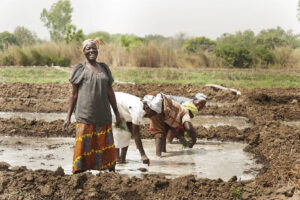
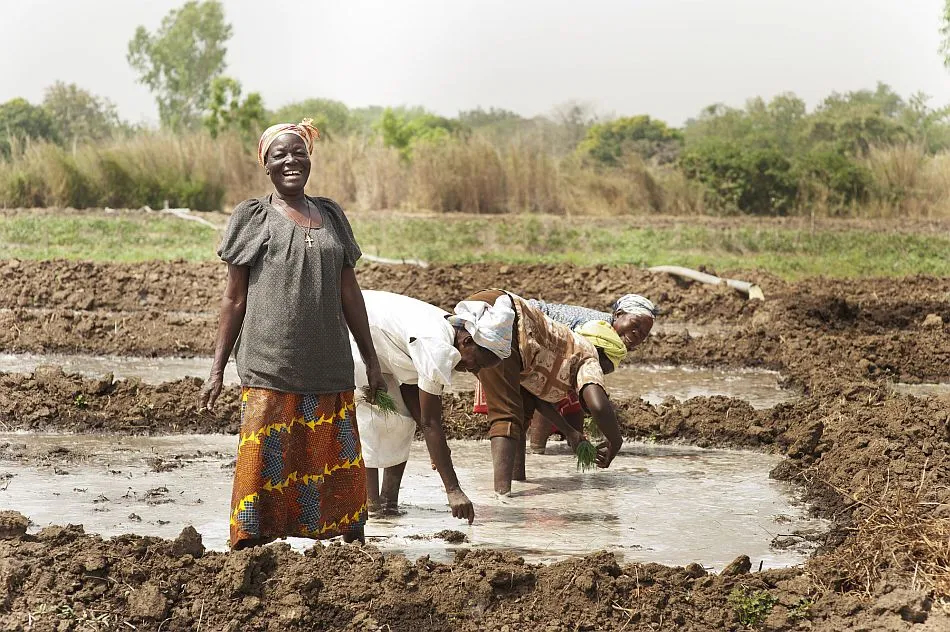
In the heart of Ghana’s transitional belt, where the climate is growing increasingly unpredictable, a quiet revolution is unfolding. Women farmers, who form the backbone of the country’s agricultural sector, are facing the harsh realities of climate change head-on. Rising temperatures, erratic rainfall patterns, and devastating droughts have decimated crops and livelihoods, forcing many to seek alternative approaches to farming. As the climate crisis deepens, these women are turning to agroecology, a sustainable farming method that prioritizes soil health, biodiversity, and community involvement. With their resilience and determination, they are charting a new course for a more climate-resilient future, one that could serve as a beacon of hope for farmers across the continent.
Climate Change Hits Home in Ghana’s Transitional Belt
Ghana’s transitional ecological belt, where once-dense forests are steadily giving way to savannah, is experiencing the harsh realities of climate change. Erratic rainfall, prolonged dry spells, and declining soil fertility are eroding rural livelihoods, with women who form the backbone of smallholder agriculture bearing the greatest burden. This region, known for cultivating staple crops such as maize, cassava, yam, and plantain, is experiencing a worrying decline in food production.
| Aspect | Details |
|---|---|
| Event | Women farmers in Ghana turn to agroecology to confront climate change |
| Date | April 30, 2026 |
| Location | Ghana’s transitional ecological belt |
| Key People/Organizations involved | Women farmers, Michael Sarpong Mfum |
| Status/Current Situation | Climate change is an everyday reality in the region |
| Impact/Casualties | Erratic rainfall, prolonged dry spells, and declining soil fertility eroding rural livelihoods |
| Location (Specific Regions) | Bono, Bono East, and Ahafo |
| Crops Affected | Maize, cassava, yam, and plantain |
| Region Type | Transitional ecological belt |
The transitional zones of Bono, Bono East, and Ahafo, long regarded as key agricultural hubs, are seeing the devastating effects of climate change. Declining soil fertility is a major concern, as it reduces crop yields and makes farming more challenging. The region’s erratic rainfall patterns, which have become more frequent and unpredictable, are also affecting crop growth and water availability. These changes are not only impacting farmers’ livelihoods but also threatening food security in the region.
As the climate continues to change, farmers in Ghana’s transitional belt are struggling to adapt. The prolonged dry spells, which can last for months, are particularly challenging, as they leave crops parched and withering. The consequences of these changes are far-reaching, with many farmers forced to abandon their land or reduce their crop yields. The impact on rural communities is significant, with many families relying on farming as their primary source of income.
Agroecology Offers a Path to Climate Resilience
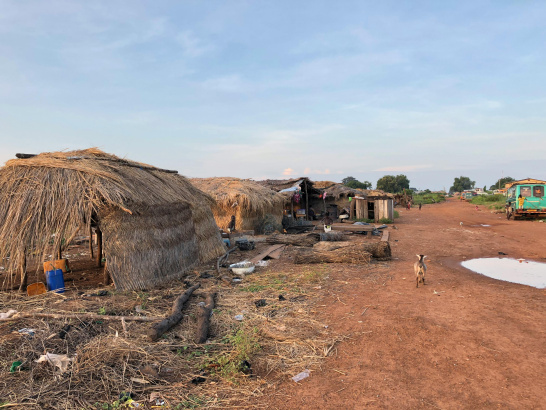
Ghana’s women farmers are turning to agroecology, a sustainable farming approach that prioritizes soil health, biodiversity, and efficient water use. This method offers a promising path to climate resilience, as it allows farmers to adapt to changing weather patterns and reduce their reliance on external inputs. By adopting agroecology, women farmers can improve crop yields, enhance soil fertility, and promote ecosystem services.
The principles of agroecology are centered around diversity, equity, and social justice. By promoting diverse crop and animal species, farmers can reduce their vulnerability to climate-related shocks and promote ecosystem resilience. Agroecology also emphasizes the importance of soil conservation and restoration, which is critical in Ghana’s transitional belt where soil erosion is a major concern. By adopting agroecology, women farmers can improve their livelihoods and contribute to the long-term sustainability of their communities.
Initial successes with agroecology in Ghana have been promising, with increased crop yields and improved food security reported by farmers who have adopted this approach. As the country continues to grapple with the impacts of climate change, agroecology offers a powerful tool for building resilience and promoting sustainable agriculture. By supporting the adoption of agroecology, policymakers and development partners can help Ghana’s women farmers to build a more sustainable and climate-resilient future.
Women at the Forefront of Agroecology in Ghana
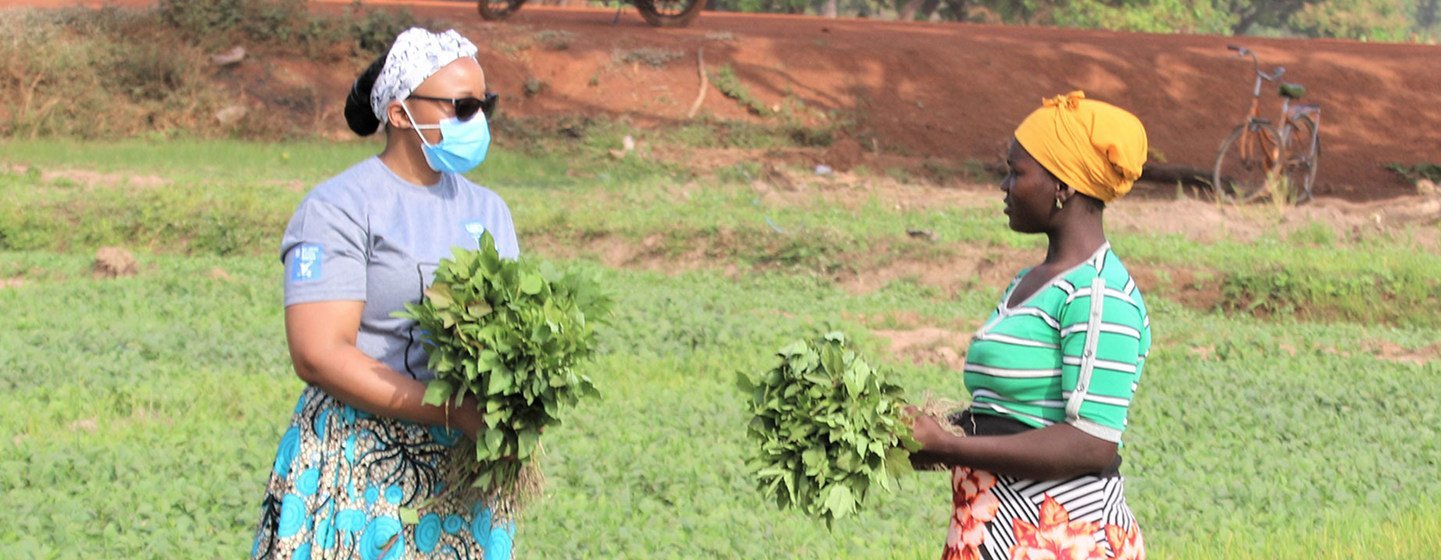
In the face of climate change, women in Ghana’s transitional ecological belt are taking the lead in adopting and promoting agroecology. These women, who form the backbone of smallholder agriculture, are not only beneficiaries of this approach but also its driving force. Agroecology, a farming practice that prioritizes soil health, biodiversity, and efficient water use, has become a beacon of hope for these women. By embracing agroecology, they are not only improving their livelihoods but also contributing to the resilience of their communities.
Women farmers in Ghana’s transitional belt are not only adopting agroecology but also taking on leadership roles in promoting it. They are forming cooperatives, sharing knowledge, and providing support to one another, creating a network of women who are determined to make a difference. This collective approach has enabled them to overcome the challenges of climate change and improve their agricultural productivity. As a result, they are not only feeding their families but also contributing to the food security of their communities.
The leadership and community engagement of women farmers in Ghana’s transitional belt are a testament to the power of agroecology. These women are not only changing their own lives but also inspiring others to adopt this approach. By promoting agroecology, they are contributing to the development of a more sustainable and resilient agricultural sector in Ghana. Their efforts are a shining example of the impact that women can have when given the opportunity to lead and take charge of their own development.
Challenges and Opportunities in Scaling Up Agroecology
Scaling up agroecology in Ghana’s transitional belt poses significant challenges for women farmers. Limited access to credit, markets, and extension services hinders their ability to adopt and disseminate agroecological practices. Furthermore, the lack of clear policies and regulations supporting agroecology creates uncertainty and hampers its widespread adoption. Additionally, women farmers often face social and cultural barriers that prevent them from participating in decision-making processes and accessing resources.
To overcome these challenges, women farmers are seeking support from local organizations and community groups that provide training, mentorship, and access to markets. Government initiatives, such as the Ghana Agricultural Development Programme, are also providing critical support to promote agroecology and improve farmers’ livelihoods. Moreover, international partnerships and funding are helping to scale up agroecology, with organizations like the African Women’s Development Fund providing critical resources and expertise.
Despite these challenges and limitations, women farmers in Ghana are demonstrating remarkable resilience and determination in their pursuit of agroecology. By adopting agroecological practices, they are improving soil fertility, reducing pesticide use, and increasing crop yields, ultimately enhancing their livelihoods and contributing to a more sustainable food system. As they continue to scale up agroecology, women farmers are poised to become leaders in Ghana’s agricultural sector, driving positive change and promoting climate resilience.
Government and International Support for Agroecology in Ghana
The Ghanaian government has taken steps to support agroecology, recognizing its potential to enhance climate resilience in the country’s agricultural sector. The Ministry of Food and Agriculture has established a dedicated unit to promote agroecology and provide technical assistance to farmers. This initiative is part of the government’s broader strategy to reduce the country’s reliance on chemical-based farming practices and promote sustainable agriculture.
International partnerships have also played a crucial role in supporting agroecology in Ghana. The United Nations’ Food and Agriculture Organization (FAO) has been working with the Ghanaian government to develop and implement agroecology projects. Additionally, the German government has provided funding for agroecology initiatives in Ghana, with a focus on supporting smallholder farmers in the transitional belt. These partnerships have helped to raise awareness about the benefits of agroecology and provide technical and financial support to farmers who are adopting this approach.
The government’s support for agroecology is also reflected in its policies. The National Agricultural Policy of Ghana emphasizes the importance of sustainable agriculture and agroecology, and provides guidelines for the implementation of these practices. By promoting agroecology, the government aims to enhance the resilience of Ghana’s agricultural sector and improve the livelihoods of smallholder farmers, particularly women who are at the forefront of this transition.
A Glimpse into the Future: Sustainable Farming in Ghana
In Ghana’s transitional ecological belt, a quiet revolution is underway. Women farmers, once at the forefront of the country’s agricultural sector, are turning to agroecology to transform their farms and their communities. By adopting this holistic approach to farming, they are not only improving their yields and incomes but also building a more resilient and sustainable food system. At the heart of agroecology is a focus on soil health, biodiversity, and ecosystem services, which are crucial for long-term food security and climate resilience.
Agroecology’s potential to transform Ghana’s agricultural sector is vast. By promoting soil conservation, reducing synthetic fertilizers and pesticides, and increasing crop diversity, women farmers are creating more fertile and productive soils. This, in turn, is boosting crop yields and improving the nutritional quality of their produce. Moreover, agroecology is helping to reduce the sector’s carbon footprint and promote climate resilience, making it an essential tool in the fight against climate change.
As the adoption of agroecology continues to grow, so too do the long-term benefits and projections. With improved soil health and biodiversity, women farmers are better equipped to withstand the impacts of climate change, such as droughts and floods. By 2030, it is estimated that agroecology will have improved the livelihoods of over 100,000 smallholder farmers in Ghana, with a significant increase in food production and income. This is a testament to the power of agroecology to drive positive change and create a more sustainable food system for generations to come.