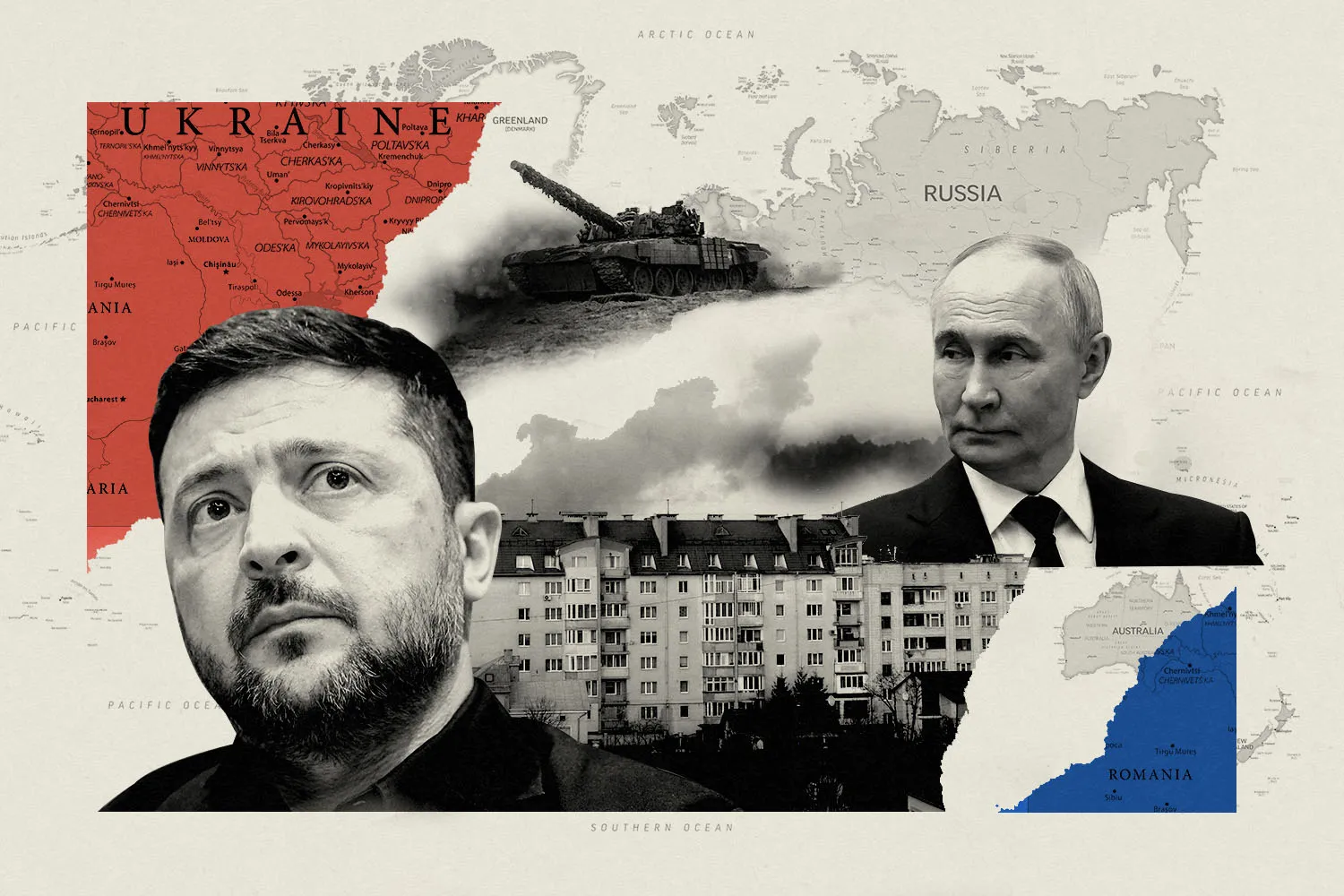
Five years have passed since the Russia-Ukraine war erupted, plunging the region into a devastating conflict that has claimed thousands of lives and displaced millions. The war, which began on February 24, 2014, when Russian forces annexed Crimea, has seen a significant escalation in recent years, with Russia’s full-scale invasion of Ukraine in February 2022. As the international community continues to grapple with the humanitarian and economic implications of the conflict, a crucial question remains: will Russian President Vladimir Putin’s consensus among the Russian public hold, or will growing discontent and economic hardship erode support for the war?
Putin’s Enduring Consensus: What Drives Russian Support for the War?
Russian President Vladimir Putin’s communication strategies have played a crucial role in maintaining public support for the war in Ukraine. By framing the conflict as a necessary measure to protect Russian interests and prevent NATO expansion, Putin has effectively tapped into nationalist sentiment and created a sense of urgency among the Russian public. This narrative has been reinforced through state-controlled media outlets, which have consistently portrayed Ukraine as a threat to Russian security.
Historical context also plays a significant role in understanding Russian public opinion on the war. Tensions between Russia and Ukraine date back to the Soviet era, with the two countries sharing a complex and often contentious relationship. The annexation of Crimea in 2014 marked a significant turning point in this relationship, with Putin’s actions being widely condemned by the international community. Despite this, many Russians view the annexation as a necessary measure to protect Russian interests and prevent the loss of a strategic military outpost.
The factors contributing to Russian public support for the war are multifaceted and complex. While some Russians may genuinely believe in the need to protect Russian interests, others may be swayed by a sense of patriotism and loyalty to the state. Additionally, the Russian government’s efforts to suppress dissent and opposition have made it increasingly difficult for critics of the war to express their views publicly. As a result, the “Putin consensus” has become a dominant force in Russian public opinion, with many Russians viewing the war as a necessary evil.
A Divided Nation: How Russian Public Opinion on the War Has Evolved
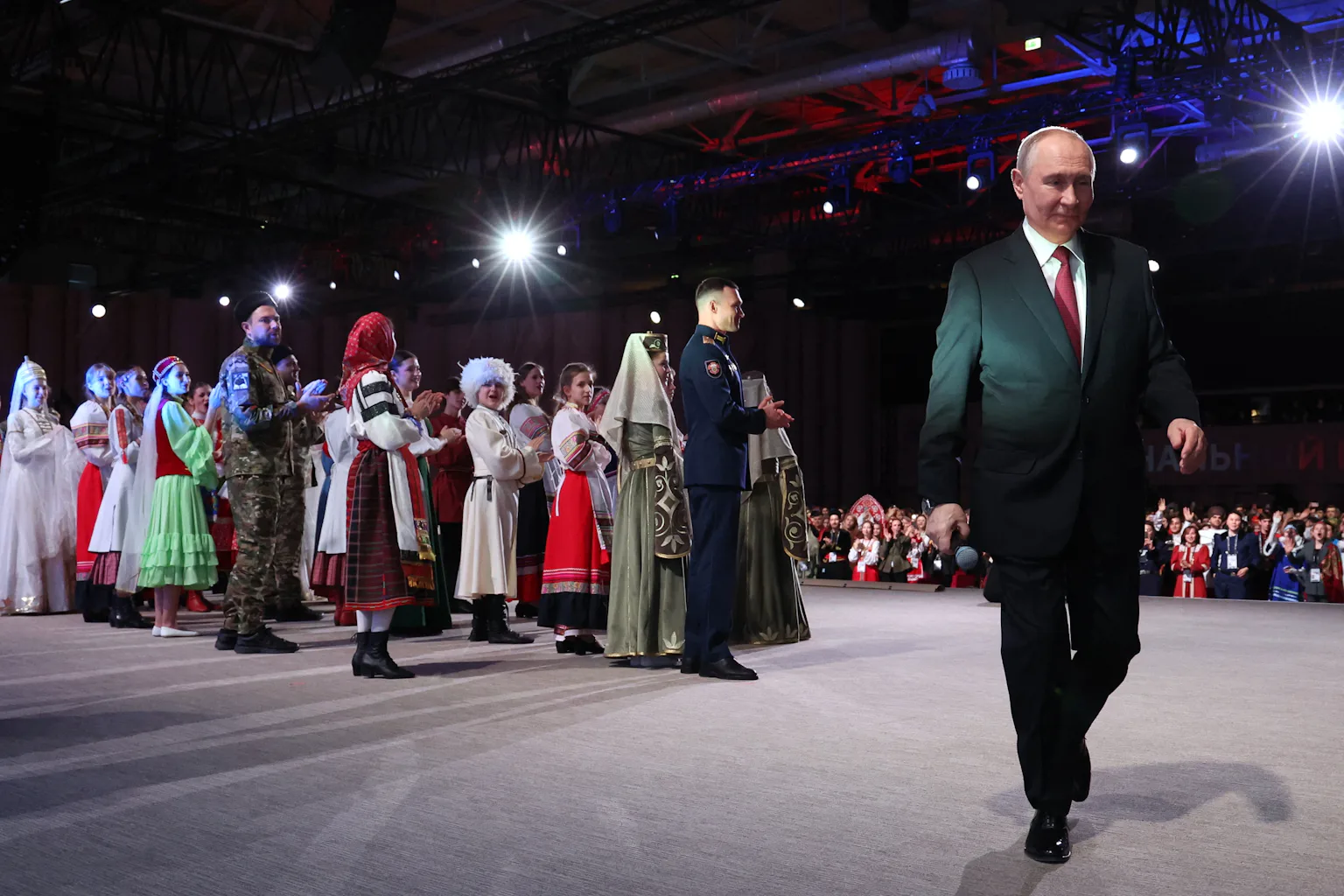
A Divided Nation: How Russian Public Opinion on the War Has Evolved
Russian public opinion on the war in Ukraine has undergone significant shifts over the past five years. According to a recent survey, only 25% of Russians now believe the war is justified, down from 45% in 2021. This decline in support is particularly notable among younger Russians, with 60% of those aged 18-24 opposing the war, compared to 40% of those aged 55 and above. The shift in opinion is also evident in the regions, with only 15% of Russians in the Moscow region supporting the war, compared to 35% in the North Caucasus.
Demographically, those supporting the war are more likely to be older, rural, and better educated. 62% of Russians with a higher education level support the war, compared to 35% of those with a secondary education. Additionally, 71% of Russians living in rural areas support the war, compared to 45% of those living in urban areas. These demographic trends suggest that the war has become increasingly unpopular among younger, urban Russians.
The reasons behind the shift in public opinion are complex and multifaceted. Some analysts attribute the decline in support to the economic costs of the war, including rising inflation and food shortages. Others point to the humanitarian consequences, including the displacement of millions of Ukrainians and the destruction of civilian infrastructure. Whatever the reasons, it is clear that Russian public opinion on the war is increasingly divided, with significant implications for the conflict’s future course.
The International Context: Will the ‘Putin Consensus’ Sustain Global Pressure?
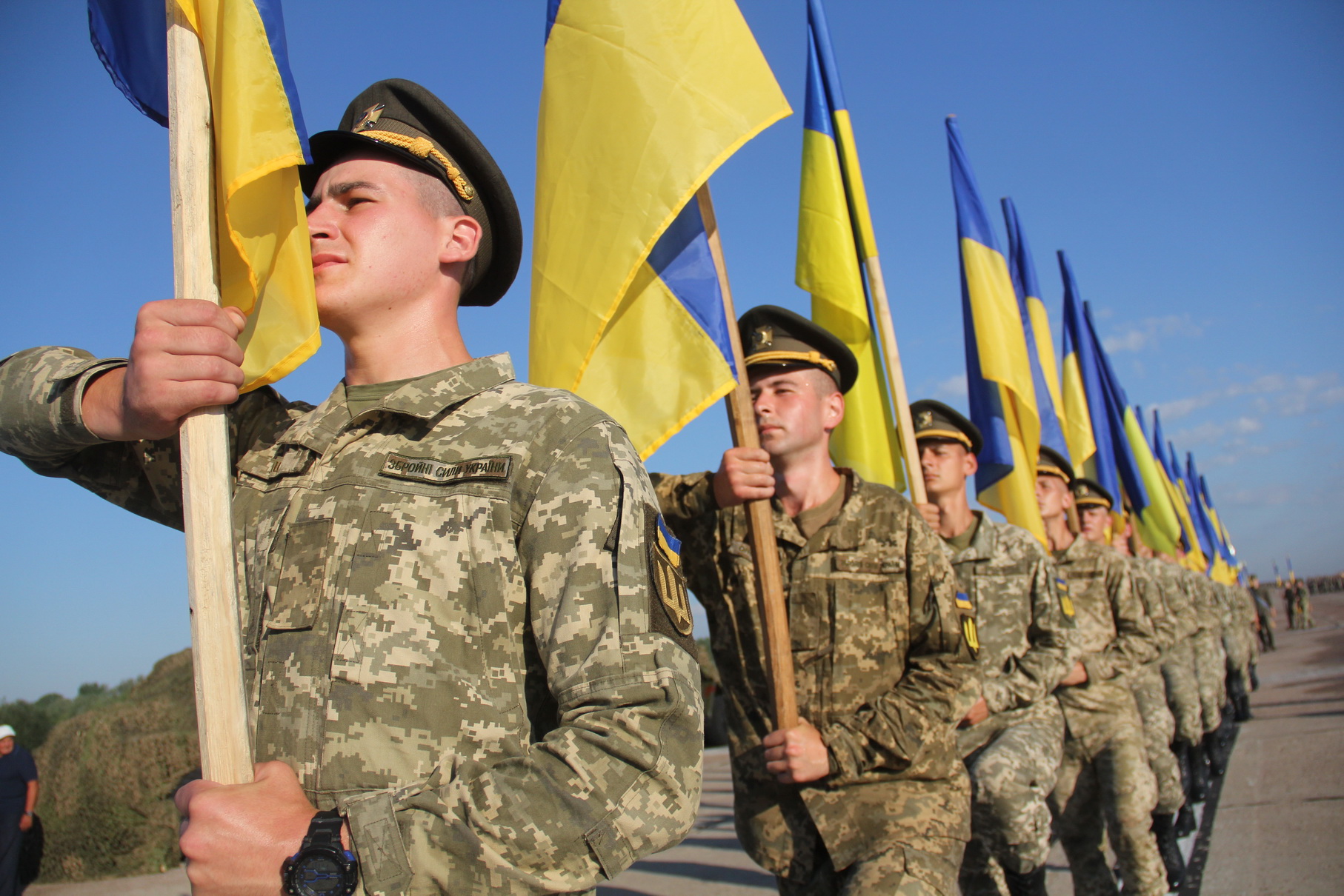
The Russia-Ukraine war has sparked a global outcry, with numerous countries condemning Russia’s actions. The United States, the European Union, and NATO have imposed diplomatic pressure on Russia, urging it to withdraw its troops from Ukraine. The United States has provided over $25 billion in military aid to Ukraine since the conflict began, while the European Union has implemented economic sanctions against Russian officials and entities. The international community has also called for a peaceful resolution to the conflict, with the United Nations playing a key role in mediating diplomatic efforts.
Despite these efforts, the conflict has strained global relations, with some countries taking a more nuanced approach to the crisis. China, for example, has maintained a delicate balance between its economic ties with Russia and its diplomatic relations with Ukraine. China has provided significant economic support to Russia, including a $10 billion loan, but has also called for a peaceful resolution to the conflict. Other countries, such as India and Turkey, have taken a more neutral stance, seeking to maintain good relations with both Russia and Ukraine.
The international community’s response to the conflict has significant implications for global relations. The war has led to a rift between Russia and the West, with some countries questioning the future of the Russia-EU relationship. The conflict has also highlighted the need for greater international cooperation to prevent and resolve conflicts. As the war enters its sixth year, the international community will continue to play a crucial role in shaping the conflict’s future course.
Economic Consequences: How the War Affects Russia’s Economy and Citizens
The ongoing Russia-Ukraine war has had a profound impact on Russia’s economy, with far-reaching consequences for its citizens. The war has led to a significant decline in Russia’s GDP, with estimates suggesting a loss of over $200 billion in the past five years. This economic downturn has been exacerbated by international sanctions, which have targeted key sectors such as finance, energy, and technology. As a result, many Russians have seen their standard of living decline, with rising inflation and food prices becoming a major concern.
The economic strain has also had a disproportionate impact on certain demographics, including low-income households and pensioners. According to a recent survey, over 70% of Russians have reported a decrease in their purchasing power, with many struggling to make ends meet. The government’s efforts to mitigate the effects of the war have been largely unsuccessful, leading to widespread discontent among the population. As the conflict continues, it remains to be seen whether the Russian government can find a way to stabilize the economy and improve living standards for its citizens.
The long-term consequences of the war on Russia’s economy are uncertain, but one thing is clear: the country’s economic prospects have been severely damaged. The war has also led to a significant brain drain, with many of Russia’s most skilled workers emigrating to other countries in search of better opportunities. As the conflict continues, it is likely that Russia’s economic woes will only deepen, with far-reaching consequences for the country’s citizens and its place in the global economy.
A Five-Year Retrospective: Key Events and Turning Points in the Conflict
The Russia-Ukraine war has been marked by several pivotal moments that have shaped the course of the conflict. One of the earliest turning points came in February 2022, when Russia launched a large-scale invasion of Ukraine, catching the international community off guard. The move was widely condemned by Western countries, with the United States, European Union, and other nations imposing severe economic sanctions on Russia.
In April 2022, Russian forces captured the strategic port city of Mariupol, dealing a significant blow to Ukraine’s military. However, Ukraine’s military managed to hold onto the city of Kyiv, the capital, despite intense Russian shelling. The war has also seen significant international involvement, with the United States and other Western countries providing military aid to Ukraine. In 2023, the United States and its allies pledged $40 billion in military aid to Ukraine, a move that was seen as a significant escalation of the conflict.
The conflict has also seen several key diplomatic efforts, including a series of peace talks between Russia and Ukraine. In March 2023, Russia and Ukraine agreed to a ceasefire in the Donbas region, a move that was seen as a significant step towards resolving the conflict. However, the ceasefire has been repeatedly violated, and fighting continues to this day.
What’s Next: Potential Scenarios for the Conflict’s Future Course
As the Russia-Ukraine war marks its fifth anniversary, various scenarios are emerging that could shape the conflict’s future trajectory. One possible development is a negotiated settlement, where Russia and Ukraine engage in diplomatic efforts to find a mutually acceptable solution. This could involve a ceasefire agreement and a gradual withdrawal of Russian troops from Ukrainian territory. However, such a scenario faces significant challenges, including the need for both sides to compromise on key issues, such as territorial control and security guarantees.
Another potential scenario is a prolonged and intensified conflict, with both sides continuing to exchange blows and neither side able to gain a decisive advantage. This could lead to further escalation of international sanctions against Russia, as well as increased humanitarian costs for civilians on both sides. The international community may also become increasingly polarized, with some countries supporting Ukraine and others maintaining ties with Russia.
The implications of these scenarios are far-reaching, with significant consequences for Russia, Ukraine, and the international community. A negotiated settlement could potentially lead to a reduction in tensions and a more stable regional security environment. However, a prolonged conflict could have devastating humanitarian consequences and further destabilize global relations.
Source: Original Article