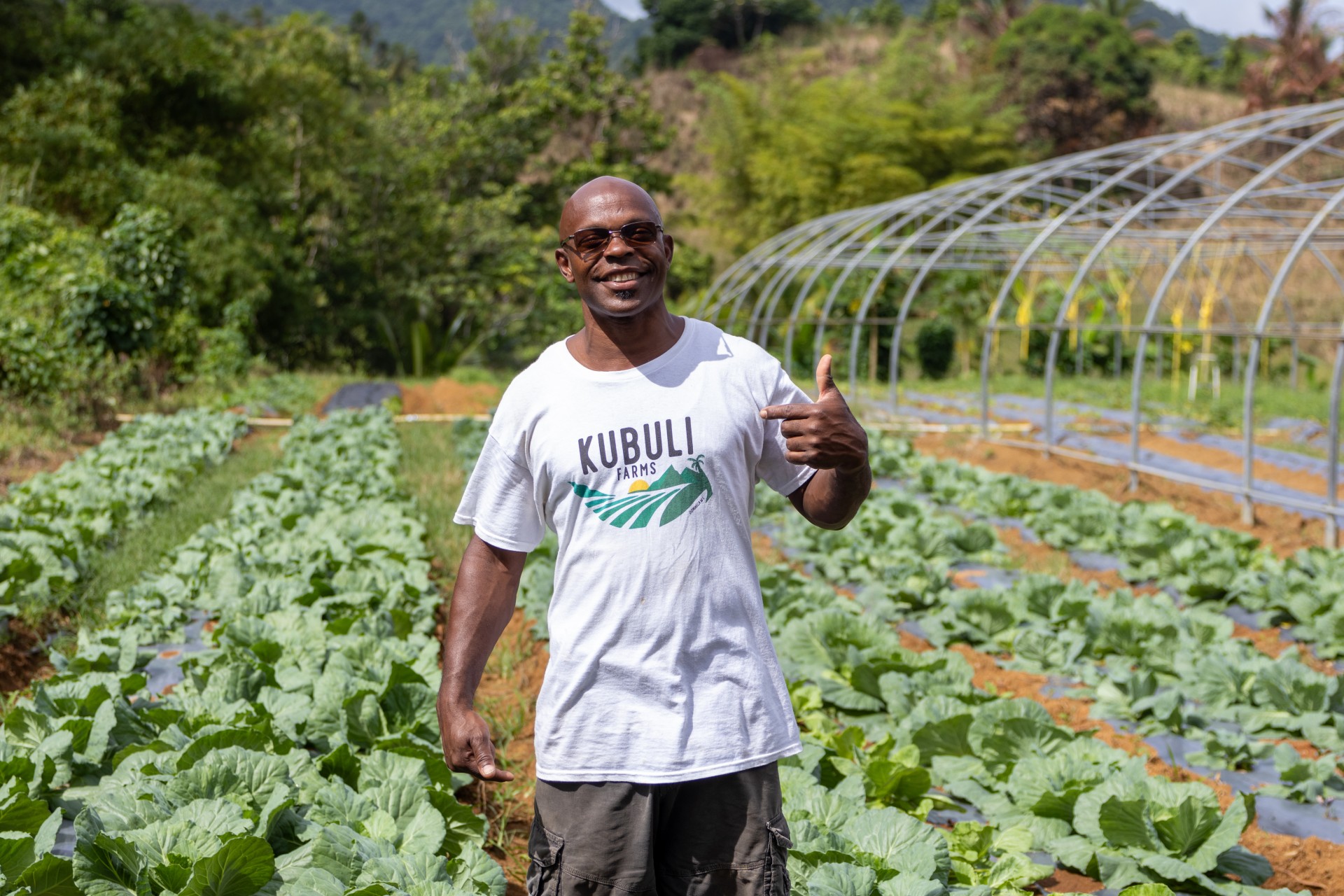
Dominica’s agricultural landscape is undergoing a transformation, thanks in part to the innovative methods employed by Kubuli Farms. Founded by Jeffrey Bruney, a farmer with over three decades of experience, the farm has been making waves in the industry with its sustainable approach to coconut water production. By turning fish waste into fertilizer, Kubuli Farms is not only reducing its reliance on chemicals but also minimizing its environmental footprint. The farm’s products have become a staple on supermarket shelves across Dominica, a testament to the success of Bruney’s vision. As a farmer who has spent years honing his skills abroad, Bruney’s return to his homeland has brought with it a fresh perspective and a commitment to revolutionizing the way agriculture is practiced in Dominica.
Kubuli Farms’ Innovative Approach to Sustainable Farming
For over three decades, Jeffrey Bruney has been a pioneering force in Dominica’s agricultural scene. As the founder of Kubuli Farms, Bruney’s mission is centered around creating a more sustainable and eco-friendly approach to farming. His vision is to create livelihoods, strengthen food systems, and open opportunities for others, including migrant workers who help fill critical labour gaps in essential sectors.
| Aspect | Details |
|---|---|
| Event | The Farmer Bringing New Ideas Home to Dominica |
| Date | 04 Jun 2026 |
| Location | Thibaud, Dominica |
| Key People/Organizations involved | Jeffrey Bruney, Kubuli Farms, International Organization for Migration |
| Status/Current Situation | Kubuli Farms’ coconut water lines supermarket shelves across Dominica |
| Key Method | Turning fish waste into fertilizer and reducing chemical use |
| Years of Experience | 34 years as a commercial farmer |
| Background | Formerly worked at a telecommunications company for 10 years |
Kubuli Farms is a testament to Bruney’s commitment to innovative farming practices. The farm’s approach to sustainable farming is rooted in its use of eco-friendly methods, including the conversion of waste into fertilizer. This game-changing approach not only reduces chemical use but also contributes to the local ecosystem. Bruney’s journey into agriculture was not a straightforward one, but it was his passion for creating a fulfilling career that led him to this path. He credits the late Prime Minister Roosevelt “Rosie” Douglas for encouraging him to see food production as a vital role in society.
Bruney’s dedication to sustainable farming has set a new standard for the industry in Dominica. His approach is not only beneficial for the environment but also provides a sense of purpose and dignity for those involved in the farming process. Kubuli Farms’ innovative methods are a shining example of what can be achieved when agriculture is treated as more than just a profession.
Turning Fish Waste into Fertilizer: A Game-Changer for Dominica

At Kubuli Farms, a unique approach to sustainable farming has been implemented, one that not only reduces chemical use but also converts fish waste into fertilizer. This innovative method has significant benefits for the environment, as it minimizes the farm’s ecological footprint and promotes a closed-loop system. By utilizing fish waste as a natural fertilizer, Kubuli Farms reduces the need for synthetic fertilizers, which can pollute waterways and harm local ecosystems.
The conversion of fish waste into fertilizer is a game-changer for Dominica, as it provides a sustainable solution to the island’s agricultural needs. This approach not only reduces waste but also creates a nutrient-rich fertilizer that promotes healthy plant growth. By adopting this method, Kubuli Farms is setting a positive example for other farmers in the region, demonstrating the potential for eco-friendly practices to benefit both the environment and the local community.
The use of fish waste as fertilizer also contributes to the local ecosystem by reducing the amount of waste that ends up in landfills or waterways. By closing the loop and utilizing waste as a valuable resource, Kubuli Farms is promoting a more circular and sustainable approach to agriculture. This approach has the potential to inspire other farmers and businesses to adopt similar practices, ultimately contributing to a more environmentally conscious and sustainable future for Dominica.
Coconut Water Hits Supermarket Shelves Across Dominica

The availability of Kubuli Farms’ coconut water in supermarkets has also had a positive impact on the local market, with other businesses taking note of the success of the product. The introduction of Kubuli Farms’ coconut water has sparked a renewed interest in local produce, with consumers increasingly seeking out products that are sustainably sourced and produced. As a result, local farmers and businesses are beginning to explore new opportunities for sustainable farming and eco-friendly practices, which is expected to have a positive impact on the local economy.
The success of Kubuli Farms’ coconut water is a testament to the growing demand for sustainable and eco-friendly products in Dominica. With its unique blend of traditional farming practices and innovative methods, Kubuli Farms is setting a new standard for the local agricultural industry, and its products are becoming increasingly popular among consumers. As the demand for sustainable products continues to grow, it is likely that Kubuli Farms will remain a leader in the industry, inspiring other businesses to follow in its footsteps.
Government Support for Sustainable Practices in Dominica
The government of Dominica has been actively promoting sustainable practices in the agricultural sector, recognizing the importance of eco-friendly farming for the country’s food security and environmental protection. The Dominica government has implemented several initiatives to support sustainable farming, including the provision of training and resources for farmers to adopt environmentally friendly practices. This support has enabled local businesses like Kubuli Farms to thrive, as they benefit from the government’s commitment to sustainable agriculture.
One of the key policies supporting eco-friendly farming in Dominica is the emphasis on reducing chemical use and promoting organic farming methods. The government has established programs to help farmers transition to organic farming, providing them with access to organic seeds, fertilizers, and other resources. This shift towards sustainable agriculture has not only improved the quality of the produce but also helped to reduce the environmental impact of farming in the country.
The government’s support for sustainable practices has also created opportunities for local businesses to innovate and expand their operations. Kubuli Farms, for example, has been able to leverage the government’s initiatives to develop new products and services, such as coconut water, which are now available in local supermarkets. The success of Kubuli Farms is a testament to the government’s commitment to supporting sustainable agriculture and promoting eco-friendly practices in the country.
Community Reaction to Kubuli Farms’ Eco-Friendly Approach
For Jeffrey Bruney, the founder of Kubuli Farms, his eco-friendly approach to farming has resonated deeply with the community. “I’ve seen firsthand the positive impact that sustainable farming can have on our island,” says Lorraine Williams, a local resident. “Kubuli Farms is a shining example of what can be achieved when we prioritize the health of our environment and our people.”
As a small-scale farmer in Thibaud, Dennis Joseph, a fellow farmer, appreciates Bruney’s commitment to reducing waste and promoting eco-friendly practices. “It’s not just about growing crops, it’s about creating a better future for our children and grandchildren,” Joseph notes. Bruney’s innovative approach has inspired others to adopt similar methods, fostering a sense of community and cooperation among local farmers.
The community’s enthusiasm for Kubuli Farms’ eco-friendly approach is evident in the way they’ve come together to support the farm’s mission. Ruth Pierre, a local business owner, praises Bruney’s dedication to creating opportunities for migrant workers and promoting social responsibility. “Kubuli Farms is more than just a farm – it’s a symbol of hope and resilience for our community,” Pierre says.
Future Plans for Kubuli Farms and Sustainable Farming in Dominica
As Kubuli Farms continues to make waves in the sustainable farming scene, founder Jeffrey Bruney is looking to the future with a clear vision. The farmer from Thibaud has been a commercial farmer for 34 years, and his experience has taught him the importance of diversification and collaboration. Bruney plans to expand Kubuli Farms’ operations, exploring new opportunities for growth and innovation. He is particularly interested in partnering with other eco-friendly businesses and organizations in Dominica, with the goal of creating a network of like-minded individuals and companies working towards a common goal.
One potential area of collaboration is with local organizations focused on sustainable agriculture and eco-tourism. Bruney believes that by working together, Kubuli Farms and other businesses can create a thriving ecosystem that benefits both the environment and the local community. He is also exploring opportunities for strategic partnerships with international organizations, which could provide access to new markets, technologies, and expertise.
As Kubuli Farms continues to grow and evolve, Bruney remains committed to his vision of creating a more sustainable and resilient food system in Dominica. His dedication to innovation and collaboration has already made a significant impact, and his future plans are likely to have a lasting impact on the island’s agricultural landscape. With his passion and expertise, Kubuli Farms is poised to become a leader in sustainable farming, not just in Dominica, but across the Caribbean.