In the heart of Ghana’s transitional belt, where the effects of climate change have become an everyday reality, a remarkable shift is underway. Rising temperatures and unpredictable rainfall patterns have long plagued the region, threatening the livelihoods of countless women farmers who rely on the land to feed their families. But in the face of adversity, these women are not only surviving – they’re thriving. They’re turning to agroecology, a sustainable approach to farming that prioritizes soil health, biodiversity, and community involvement. As the stakes grow higher, these pioneering women are embracing a new way of farming that not only helps them adapt to the changing climate but also ensures a more resilient food system for generations to come.
Climate Change Takes Center Stage in Ghana’s Transitional Belt
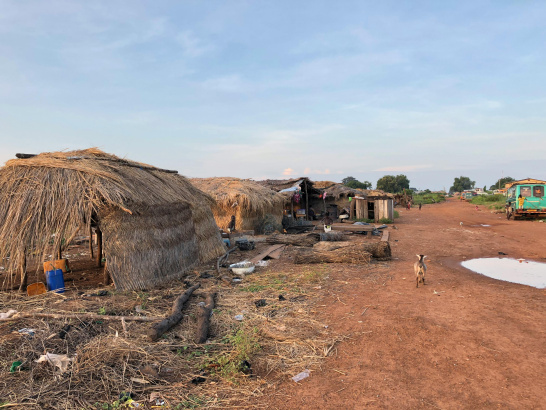
Ghana’s transitional ecological belt is facing a devastating reality. Once-dense forests are steadily giving way to savannah, and climate change is no longer a distant concern but an everyday reality. Erratic rainfall, prolonged dry spells, and declining soil fertility are eroding rural livelihoods, with women who form the backbone of smallholder agriculture bearing the greatest burden. This region, known for cultivating staple crops such as maize, cassava, yam, and plantain, is experiencing a worrying decline in food production.
| Aspect | Details |
|---|---|
| Event | Women farmers in Ghana turn to agroecology to confront climate change |
| Date | 1 month ago |
| Location | Ghana’s transitional ecological belt |
| Key People/Organizations involved | Women farmers, Michael Sarpong Mfum |
| Status/Current Situation | Climate change is an everyday reality |
| Impact/Casualties | Erratic rainfall, prolonged dry spells, and declining soil fertility eroding rural livelihoods |
| Location (specific regions) | Bono, Bono East, and Ahafo |
| Crops affected | Maize, cassava, yam, and plantain |
The transitional zones of Bono, Bono East, and Ahafo, long regarded as key agricultural hubs, are seeing a significant drop in crop yields. The consequences of climate change are far-reaching, affecting not only the livelihoods of farmers but also the environment. Declining soil fertility is a major concern, as it reduces the land’s ability to support crops, making it harder for farmers to produce food. The effects of climate change are also being felt in the form of prolonged dry spells, which can lead to crop failure and reduced food security.
The growing concerns among local communities are evident. As climate change continues to ravage the transitional belt, communities are coming together to find solutions. The need for sustainable agriculture practices has never been more pressing, and the adoption of agroecology is seen as a vital step towards building climate resilience.
Turning to Agroecology: A New Approach to Sustainable Farming

Ghana’s women farmers are turning to agroecology as a means to confront the challenges posed by climate change. This approach to sustainable farming emphasizes the use of natural processes and local resources to maintain soil fertility, conserve water, and promote biodiversity. Agroecology focuses on creating a balanced ecosystem where crops and livestock coexist in harmony, reducing the need for external inputs and synthetic fertilizers. By adopting this approach, women farmers in Ghana are not only improving their yields but also enhancing the resilience of their farms to climate-related shocks.
The benefits of agroecology are numerous. For one, it promotes soil health by using techniques such as crop rotation and cover cropping to maintain soil fertility. This, in turn, reduces the reliance on synthetic fertilizers and minimizes the environmental impact of farming. Additionally, agroecology encourages the use of local and climate-resilient crop varieties, which are better suited to the changing climate conditions in Ghana’s transitional belt. By adopting these varieties, women farmers can ensure a stable food supply and reduce their vulnerability to climate-related shocks.
In Ghana’s transitional ecological belt, women farmers are embracing agroecology as a means to improve their livelihoods and contribute to environmental sustainability. By adopting this approach, they are not only enhancing the resilience of their farms but also promoting biodiversity and soil health. As the climate continues to change, agroecology is emerging as a vital strategy for Ghana’s women farmers to adapt and thrive in the face of adversity.
Women at the Forefront of Agroecology in Ghana
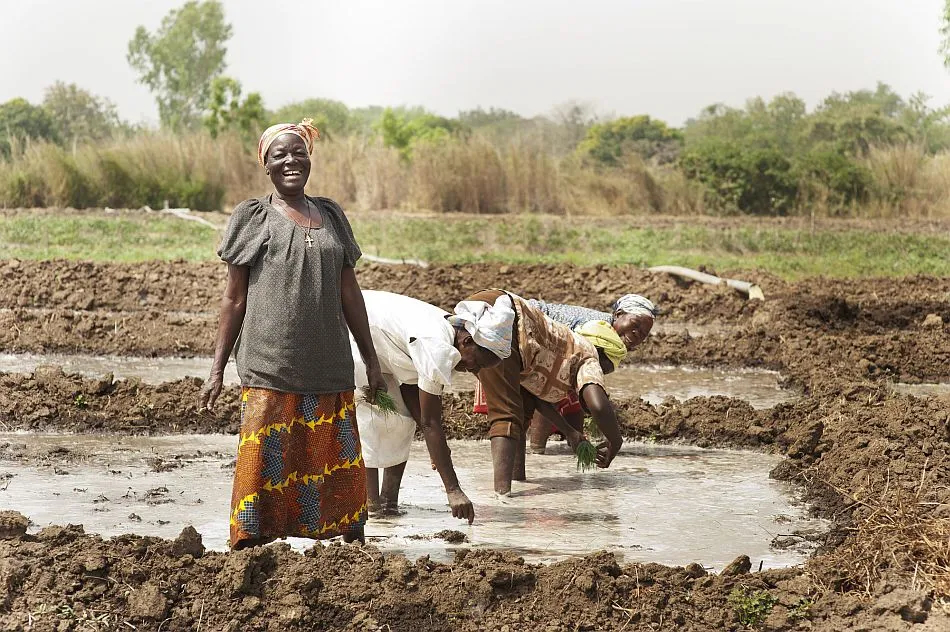
In Ghana’s transitional ecological belt, women farmers are at the forefront of adopting and promoting agroecology, a sustainable approach to farming that prioritizes ecosystem health and biodiversity. These women, who form the backbone of smallholder agriculture, are turning to agroecology as a means of confronting climate change and improving their livelihoods. By embracing agroecology, they are not only enhancing their food security but also contributing to the conservation of natural resources and the mitigation of climate change.
Women farmers in the region, such as those in the transitional zones of Bono, Bono East, and Ahafo, are experiencing the devastating impacts of climate change firsthand. Erratic rainfall, prolonged dry spells, and declining soil fertility are eroding rural livelihoods, with women bearing the greatest burden. However, by adopting agroecology, these women are gaining the skills and knowledge necessary to adapt to these changing conditions and improve their resilience. Through agroecology, they are learning to cultivate a diverse range of crops, use natural pest control methods, and implement conservation agriculture practices.
The impact of these women’s efforts is being felt not only at the individual level but also within their communities. As they adopt agroecology, they are not only improving their own food security but also contributing to the development of more sustainable and resilient local food systems. By sharing their knowledge and experiences with others, they are helping to build a network of agroecology practitioners who are working together to promote sustainable agriculture and mitigate the effects of climate change.
Challenges and Opportunities in Ghana’s Transition to Agroecology
In Ghana’s transitional ecological belt, women farmers face significant challenges in adopting agroecology due to limited resources and lack of support. Many struggle to access quality seeds, fertilizers, and tools, hindering their ability to transition to more sustainable farming practices. Only 20% of women farmers in the region have access to credit facilities, making it difficult for them to invest in their farms and improve their livelihoods.
Despite these obstacles, agroecology presents a range of opportunities for women farmers in Ghana. By adopting this approach, they can improve crop yields, increase their resilience to climate change, and enhance the nutritional value of their produce. Agroecology has been shown to increase crop yields by up to 30%, making it an attractive option for women farmers looking to improve their livelihoods. Additionally, agroecology promotes the use of local and organic inputs, reducing the farmers’ reliance on external inputs and promoting environmental sustainability.
As women farmers in Ghana continue to adopt agroecology, they are also developing new skills and knowledge that will help them adapt to the changing climate. Through agroecology, women farmers are learning to manage their farms in a more holistic way, incorporating techniques such as crop rotation, composting, and integrated pest management. This not only improves their farming practices but also enhances their ability to respond to climate-related shocks and stresses.
Building Climate Resilience through Agroecology and Community Support
In the face of climate change, women farmers in Ghana’s transitional ecological belt are finding strength in community support and collaboration. Local organizations, such as the Ghana Organic Agriculture Network, are playing a crucial role in promoting agroecology by providing training and resources to women farmers. These initiatives not only help farmers adopt sustainable practices but also foster a sense of community and mutual support, which is essential for overcoming the challenges posed by climate change.
The Bono, Bono East, and Ahafo regions, once considered key agricultural hubs, are now experiencing a decline in food production due to erratic rainfall and soil degradation. However, women farmers are turning to agroecology as a way to build resilience and adapt to these changing conditions. By working together and sharing knowledge and resources, these women are able to overcome the obstacles that stand in their way and achieve greater success in their farming endeavors.
As the agroecology movement gains momentum in Ghana, there is potential for scaling up these practices to benefit even more women farmers and communities. By leveraging the power of community support and collaboration, Ghana can create a more sustainable and resilient agricultural system that benefits both people and the environment.
A Glimmer of Hope: Success Stories from Ghana’s Agroecology Movement
In Ghana’s transitional ecological belt, women farmers are rising to the challenge of climate change with inspiring stories of resilience and success. Akua Gyamfi, a 45-year-old farmer from the Bono East region, has seen her maize yields increase by 30% since adopting agroecology practices. Her experience is not unique – many women farmers in the region are achieving remarkable results by using natural methods to improve soil fertility and reduce water waste.
One of the key lessons learned from these success stories is the importance of community support and knowledge sharing. The Ghana Organic Agriculture Network, a local organization, has played a crucial role in promoting agroecology practices among women farmers. By providing training and resources, the network has empowered farmers to adopt sustainable methods that not only improve their yields but also enhance the health of their communities. As Akua Gyamfi notes, “When we work together, we can achieve great things – our farms become more productive, and our families become healthier.”
The success stories of women farmers like Akua Gyamfi offer a glimmer of hope for Ghana’s agroecology movement. By sharing their experiences and knowledge, these farmers are inspiring others to adopt sustainable practices that prioritize the health of people and the planet. As the country continues to grapple with the challenges of climate change, the resilience and determination of women farmers like Akua Gyamfi serve as a powerful reminder of the potential for agroecology to drive positive change.