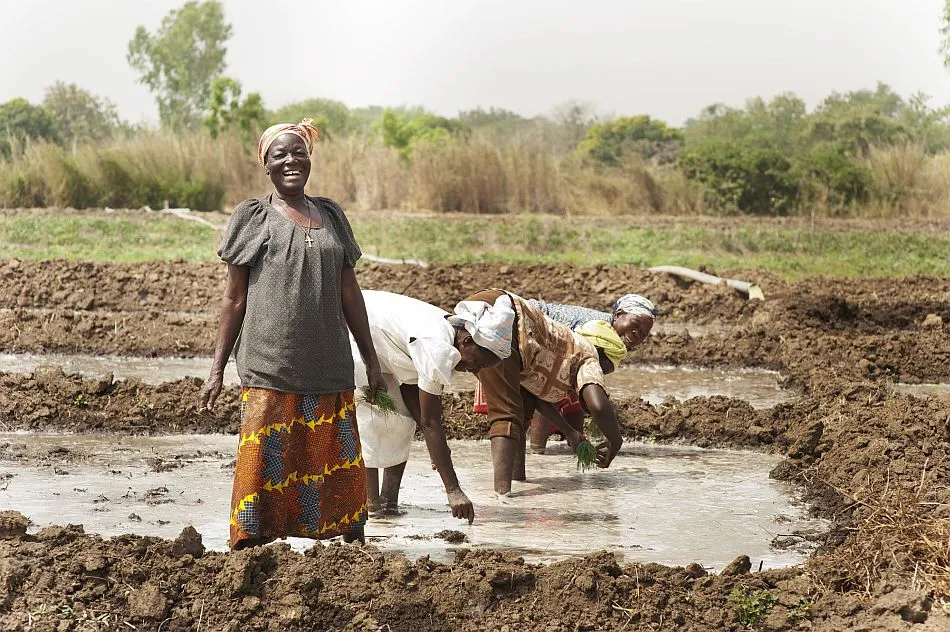
In the face of a growing climate crisis, Ghana’s women farmers are rising to the challenge, transforming their agricultural practices to ensure a more sustainable future. The country’s transitional belt, where the climate is becoming increasingly unpredictable, has become a hotbed of innovation. As climate change intensifies, women farmers are turning to agroecology, a holistic approach to farming that prioritizes soil health, biodiversity, and community involvement. This shift is not just a response to the climate crisis, but also a testament to the resilience and determination of Ghana’s women farmers, who are driving a new wave of sustainable agriculture in the region.
Climate Change Hits Ghana’s Transitional Belt
Ghana’s transitional ecological belt is facing a severe crisis due to climate change. Erratic rainfall and prolonged dry spells are eroding rural livelihoods, with the backbone of smallholder agriculture, women, bearing the greatest burden. This region, known for cultivating staple crops such as maize, cassava, yam, and plantain, is experiencing a worrying decline in food production.
| Aspect | Details |
|---|---|
| Event | Women farmers in Ghana turn to agroecology to confront climate change |
| Date | 1 month ago |
| Location | Ghana’s transitional ecological belt |
| Key People/Organizations involved | Women farmers |
| Status/Current Situation | Everyday reality of climate change |
| Impact/Casualties | Eroding rural livelihoods, decline in food production |
| Location (Specific Regions) | Bono, Bono East, and Ahafo |
| Crops Affected | Maize, cassava, yam, and plantain |
| Key Challenges | Erratic rainfall, prolonged dry spells, and declining soil fertility |
The transitional zones of Bono, Bono East, and Ahafo, long regarded as key agricultural hubs, are seeing a significant drop in crop yields. Declining soil fertility is also a major concern, making it difficult for farmers to grow crops. This has severe consequences for local communities, who rely heavily on agriculture for their livelihoods. The impact of climate change is not just economic, but also social and cultural, as communities are forced to adapt to new and unpredictable weather patterns.
The effects of climate change on Ghana’s transitional belt are far-reaching and devastating. Food insecurity is on the rise, and communities are struggling to access basic necessities like food and water. The situation is dire, and urgent action is needed to address the root causes of climate change and its impacts on rural livelihoods.
Women Farmers Embrace Agroecology for Climate Resilience

In Ghana’s transitional ecological belt, where climate change is a harsh reality, women farmers are turning to agroecology as a beacon of hope. Erratic rainfall and prolonged dry spells have eroded rural livelihoods, but these resilient women are adapting to the changing climate. Agroecology offers a holistic approach to farming, one that prioritizes soil health, biodiversity, and efficient water use, allowing women farmers to build resilience in the face of climate uncertainty.
For women like Akua, a smallholder farmer from the Bono region, agroecology has been a game-changer. “Before, I was struggling to grow crops due to the unpredictable weather,” she says. “But since adopting agroecology practices, I’ve seen a significant improvement in my yields and soil quality.” Akua’s experience is not unique; many women farmers in the region are reporting similar successes. By embracing agroecology, these women are not only improving their livelihoods but also contributing to the preservation of Ghana’s natural resources.
As women farmers continue to lead the way in adopting agroecology, their stories serve as a testament to the power of resilience and innovation in the face of climate change. Their experiences highlight the importance of supporting women in agriculture, not only as a means of promoting food security but also as a way to empower them to take control of their lives and communities. As Ghana continues to grapple with the impacts of climate change, the lessons learned from these women farmers will be crucial in shaping the country’s agricultural future.
Agroecology in Action: Sustainable Farming Practices
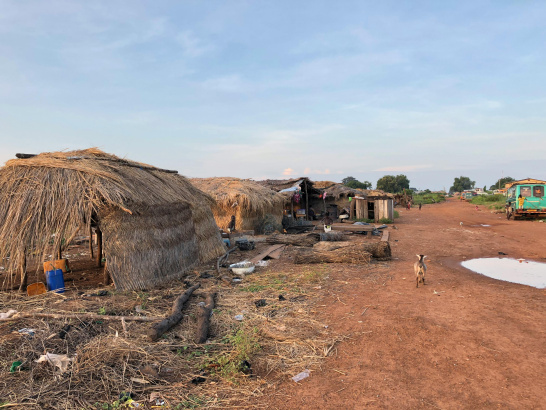
Women farmers in Ghana’s transitional ecological belt are adopting various agroecology practices to improve their resilience to climate change. Crop rotation, a key agroecology practice, has become a staple among these farmers. By rotating crops such as maize, cassava, and yam, they are able to maintain soil fertility, reduce pests and diseases, and increase crop yields. This practice also helps to break the cycle of monoculture farming, which can lead to soil degradation and decreased biodiversity.
Another agroecology practice gaining traction among women farmers is the use of organic fertilizers. These natural fertilizers, often made from composted animal waste or plant matter, provide essential nutrients to the soil without harming the environment. By using organic fertilizers, women farmers are able to reduce their reliance on synthetic fertilizers, which can pollute waterways and harm local ecosystems. Conservation agriculture, which involves minimizing soil disturbance and maintaining soil cover, is also being adopted by women farmers. This practice helps to reduce soil erosion, improve soil health, and promote water retention.
The benefits of these agroecology practices are numerous, not only for the environment but also for local communities. Improved crop yields and increased food security are just a few of the benefits that women farmers are experiencing as a result of adopting these practices. By promoting sustainable agriculture practices, women farmers are also contributing to the conservation of biodiversity and the protection of natural resources.
Government Support for Climate-Resilient Agriculture in Ghana
The Ghanaian government has taken steps to support climate-resilient agriculture, recognizing the critical role it plays in the country’s food security and economic development. The Ministry of Food and Agriculture has launched several initiatives aimed at promoting sustainable agriculture practices, including the Climate-Resilient Agriculture (CRA) Programme, which provides funding and technical support to farmers to adopt climate-resilient agricultural practices. The programme focuses on promoting agroecology, a farming approach that prioritizes soil health, biodiversity, and efficient water use.
The government has also allocated significant resources to support agroecology projects in Ghana. The Agricultural Development Bank of Ghana has established a special fund to provide loans to farmers who adopt agroecology practices, while the Ghana Agricultural Services Project has provided training and capacity-building support to farmers and extension agents to promote sustainable agriculture practices. Furthermore, the government has partnered with international organizations such as the Food and Agriculture Organization (FAO) and the International Fund for Agricultural Development (IFAD) to access technical and financial support for climate-resilient agriculture projects.
The government’s commitment to supporting climate-resilient agriculture has been recognized by international partners, who have pledged to provide additional funding and technical support to Ghana’s agroecology initiatives. The Green Climate Fund, for example, has provided funding to support the implementation of climate-resilient agriculture projects in Ghana, while the European Union has committed to providing technical assistance to support the development of Ghana’s climate-resilient agriculture sector. These partnerships are expected to play a critical role in scaling up agroecology in Ghana and promoting climate-resilient agriculture practices among smallholder farmers.
The Way Forward: Scaling Up Agroecology in Ghana
Scaling up agroecology in Ghana presents a unique opportunity for the country to address climate change while driving national development. The practice has the potential to contribute significantly to Ghana’s economy, particularly in the agricultural sector, which accounts for a substantial portion of the country’s GDP. By adopting agroecology, Ghana can improve food security, increase rural incomes, and enhance the resilience of smallholder farmers.
Addressing Challenges and Opportunities
Despite the potential benefits, scaling up agroecology in Ghana faces several challenges, including limited access to funding, inadequate infrastructure, and a lack of awareness among farmers and policymakers. However, these challenges also present opportunities for innovation and collaboration. International organizations and local stakeholders can play a crucial role in supporting agroecology projects and providing technical assistance to farmers. Policymakers must also prioritize agroecology in their development plans, recognizing its potential to contribute to Ghana’s national development goals.
Recommendations for Policymakers and Stakeholders
To support the scaling up of agroecology in Ghana, policymakers and stakeholders must work together to address the challenges and opportunities identified. This includes providing targeted funding and support to agroecology projects, investing in infrastructure and capacity-building initiatives, and promoting awareness and education among farmers and policymakers. By taking a collaborative and innovative approach, Ghana can harness the potential of agroecology to drive national development and address the challenges of climate change.
International Support for Agroecology in Ghana
International organizations are stepping up to support agroecology in Ghana, recognizing its potential to boost climate resilience and sustainable agriculture. The United Nations Food and Agriculture Organization (FAO) has been working closely with local stakeholders to promote agroecology practices, providing technical assistance and training to women farmers. The FAO has also partnered with the Ghanaian government to develop a national strategy for agroecology, which aims to increase the adoption of sustainable farming practices across the country.
The European Union has also provided significant funding to support agroecology initiatives in Ghana. Under the EU’s Africa Agriculture and Trade Initiative, Ghana has received over €10 million to promote agroecology and improve the livelihoods of smallholder farmers. This funding has enabled the development of agroecology demonstration plots, where women farmers can learn and adopt new sustainable farming practices. Additionally, the EU has partnered with local organizations to provide training and capacity-building programs for women farmers, empowering them to take charge of their agricultural activities.
The International Fund for Agricultural Development (IFAD) has also been supporting agroecology initiatives in Ghana. Through its Rural Finance and Agricultural Development Program, IFAD has provided financing to women farmers to adopt agroecology practices, such as conservation agriculture and organic fertilizers. This program has enabled women farmers to improve their yields, increase their income, and enhance their resilience to climate-related shocks. By supporting agroecology, international organizations are helping to build a more sustainable and climate-resilient agricultural sector in Ghana.
Conclusion: Women Farmers’ Leadership in Climate Resilience
Women farmers in Ghana’s transitional belt have emerged as leaders in climate resilience, leveraging agroecology to confront the devastating effects of climate change. Their leadership is a testament to the power of community-driven initiatives in the face of adversity. By adopting agroecology, women farmers are not only adapting to climate change but also promoting sustainable agriculture practices that benefit their communities.
The significance of women farmers’ leadership in climate resilience cannot be overstated. They are the backbone of smallholder agriculture in Ghana, and their expertise and knowledge are crucial in developing effective climate-resilient strategies. Women farmers’ leadership has inspired other communities to adopt agroecology, demonstrating the potential for climate-resilient agriculture to become a model for sustainable development. As the climate crisis deepens, their leadership offers a beacon of hope for a more resilient and sustainable future.
The success of women farmers in Ghana’s transitional belt has far-reaching implications for the country’s agricultural sector. By promoting agroecology, they are not only improving their own livelihoods but also contributing to the preservation of biodiversity and the protection of natural resources. Their leadership has the potential to inspire a national movement towards climate-resilient agriculture, one that prioritizes the needs and expertise of local communities.