
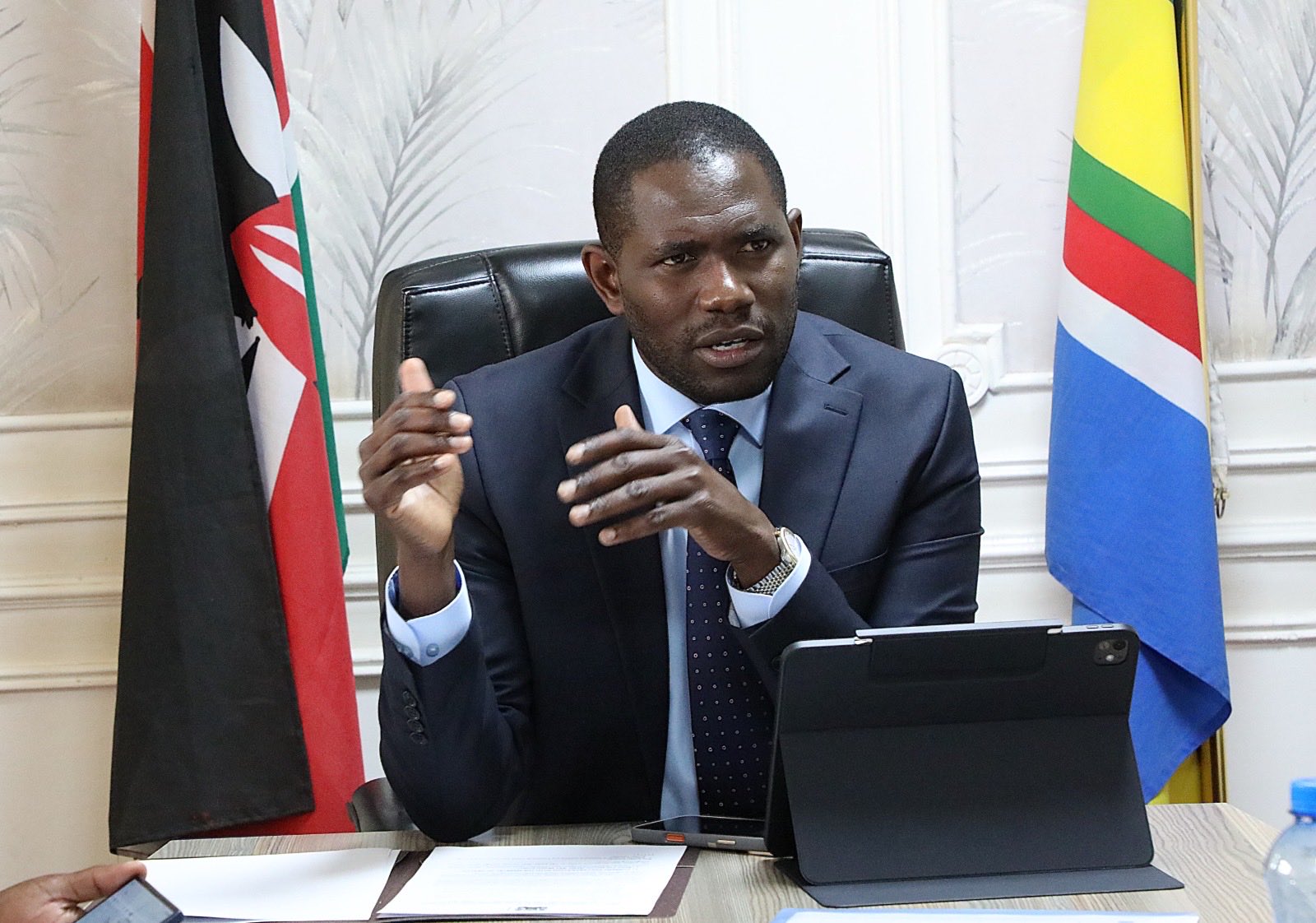
The Kenyan government is intensifying its efforts to combat non-communicable diseases and cancer, with a renewed call for enhanced collaboration with pharmaceutical giant Novartis. Principal Secretary for Medical Services Dr. Ouma Oluga met with a Novartis delegation at Afya House, the Ministry of Health’s headquarters, to discuss ways to accelerate progress in addressing non-communicable diseases, cancer, sickle cell disease, and palliative care. The meeting comes as Kenya continues to grapple with the growing burden of these conditions, which pose significant challenges to the country’s healthcare system.
Health Ministry Calls for Strengthened Collaboration with Novartis
The Ministry of Health has identified four key pillars to anchor its health reforms: health financing, healthcare workforce development, commodity security, and digital transformation. Health financing is a critical area of focus, with the Government seeking stronger mechanisms to support healthcare services. Dr. Ouma Oluga, Principal Secretary for Medical Services, emphasized the need for affordable medicines and reliable access to essential health products to improve service delivery and health outcomes.
| Aspect | Details |
|---|---|
| Event | PS Oluga seeks stronger Novartis partnership for NCDs, cancer care |
| Date | Friday, June 5, 2026 |
| Location | Afya House, Kenya |
| Key People/Organizations involved | Dr. Ouma Oluga, Ministry of Health, Novartis |
| Status/Current Situation | Ongoing efforts to address NCDs and cancer care |
| Official Response | Dr. Oluga calls for enhanced collaboration with Novartis |
| Key Initiatives | Afya Dhabiti Project for Sickle Cell Disease, Cancer Path to Care Programme |
| Health Reforms Pillars | Health financing, healthcare workforce development, commodity security, digital transformation |
| Priorities | Affordable medicines, stronger health financing mechanisms, enhanced workforce training, digital health systems |
To achieve these goals, the Ministry is looking to strengthen its collaboration with pharmaceutical companies like Novartis. Research and innovation are key to developing locally relevant healthcare solutions and supporting scientific advancement. Dr. Oluga underscored the importance of developing healthcare solutions that are tailored to Kenya’s specific needs, and Novartis has already shown its commitment to this through initiatives such as the Afya Dhabiti Project for Sickle Cell Disease and the Cancer Path to Care Programme.
The Ministry’s health reforms are designed to improve health outcomes and support Kenya’s Universal Health Coverage agenda. Stronger health systems are essential to achieving these goals, and the Ministry is looking to partnerships like the one with Novartis to drive sustainable, high-impact interventions. By working together, the Ministry and Novartis can make a significant difference in the lives of Kenyans and help address some of the country’s most pressing health challenges.
Focus on Non-Communicable Diseases and Cancer Treatment
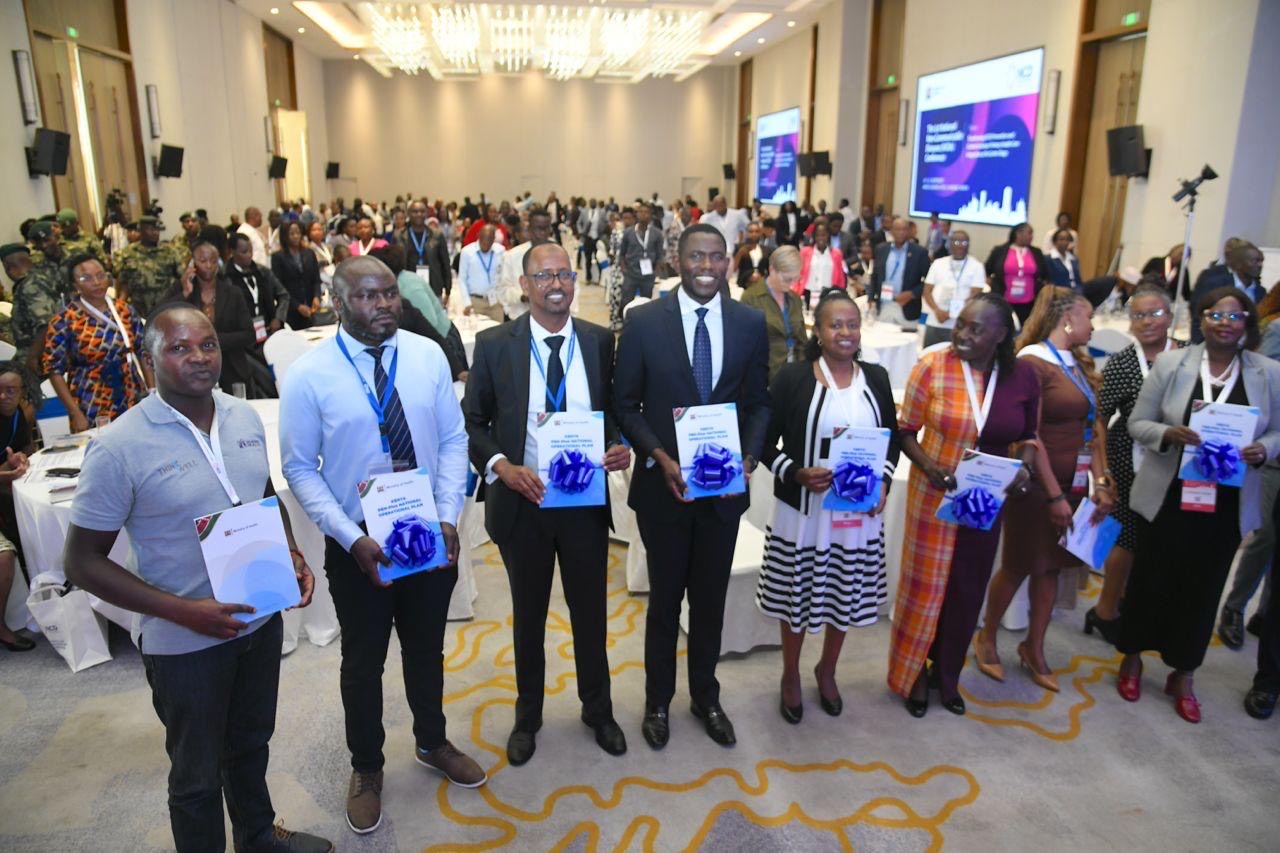
The Ministry of Health has called for enhanced collaboration with Novartis to accelerate efforts aimed at addressing non-communicable diseases and cancer in Kenya. Principal Secretary for Medical Services Dr. Ouma Oluga emphasized that all partnerships must be aligned with national health priorities and contribute to strengthening health systems through sustainable, high-impact interventions. Dr. Oluga noted that the Government’s health reforms are anchored on four key pillars: health financing, healthcare workforce development, commodity security, and digital transformation.
The Ministry is seeking a stronger partnership with Novartis to improve access to care and support Kenya’s Universal Health Coverage agenda. The company’s ongoing support through initiatives such as the Afya Dhabiti Project for Sickle Cell Disease and the Cancer Path to Care Programme has been commended by Dr. Oluga. These initiatives have made significant contributions to improving health outcomes in Kenya, and the Ministry is eager to build on this momentum.
The PS highlighted the need for affordable medicines, stronger health financing mechanisms, enhanced workforce training, reliable access to essential health products, and robust digital health systems to improve service delivery and health outcomes. By strengthening its partnership with Novartis, the Ministry aims to leverage the company’s expertise and resources to drive meaningful change in the health sector and improve the lives of Kenyans.
Key Areas for Enhanced Collaboration with Novartis
The Ministry of Health has emphasized the need for affordable medicines to improve access to care for non-communicable diseases and cancer treatment in Kenya. Dr. Ouma Oluga, Principal Secretary for Medical Services, highlighted the importance of strengthening health financing mechanisms to ensure that the country’s health sector is equipped to handle the growing burden of non-communicable diseases. This includes developing sustainable and high-impact interventions that align with national health priorities.
Digital Transformation and Research
The Government’s health reforms are anchored on four key pillars, including digital transformation. Dr. Oluga underscored the need for robust digital health systems to improve service delivery and health outcomes. He also emphasized the importance of research and innovation in developing locally relevant healthcare solutions and supporting scientific advancement. This will enable the country to develop effective and sustainable solutions to address the growing burden of non-communicable diseases and cancer.
Healthcare Workforce Development and Essential Health Products
The Ministry of Health has also emphasized the need for enhanced workforce training to ensure that healthcare professionals are equipped to provide high-quality care for non-communicable diseases and cancer treatment. Additionally, Dr. Oluga highlighted the importance of reliable access to essential health products to improve service delivery and health outcomes.
Support for Disease Management and Prevention
The Ministry of Health has emphasized the need for enhanced collaboration with Novartis to accelerate efforts aimed at addressing non-communicable diseases and cancer in Kenya. Speaking during a consultative meeting with a Novartis delegation, Principal Secretary for Medical Services Dr. Ouma Oluga commended the company’s ongoing support to the health sector through initiatives such as the Cancer Path to Care Programme. This programme continues to improve access to care and support Kenya’s Universal Health Coverage agenda.
Aligning Partnerships with National Health Priorities
Dr. Oluga stressed that all partnerships must be aligned with national health priorities and contribute to strengthening health systems through sustainable, high-impact interventions. He noted that the Government’s health reforms are anchored on four key pillars: health financing, healthcare workforce development, commodity security, and digital transformation. The PS highlighted the need for affordable medicines, stronger health financing mechanisms, enhanced workforce training, reliable access to essential health products, and robust digital health systems to improve service delivery and health outcomes.
Supporting Scientific Advancement and Locally Relevant Healthcare Solutions
The Principal Secretary underscored the importance of research and innovation in developing locally relevant healthcare solutions and supporting scientific advancement. He emphasized the need for partnerships that can contribute to the development of sustainable, high-impact interventions that align with national health priorities. This approach is crucial in addressing the complex health challenges facing Kenya, particularly non-communicable diseases and cancer.
Next Steps for the Ministry and Novartis Partnership
The Ministry of Health has emphasized the need for sustainable, high-impact interventions to strengthen health systems in Kenya. According to Dr. Ouma Oluga, Principal Secretary for Medical Services, all partnerships must be aligned with national health priorities to contribute to the country’s Universal Health Coverage agenda. This includes the development of locally relevant healthcare solutions and support for scientific advancement.
To achieve this, Dr. Oluga highlighted the importance of affordable medicines, stronger health financing mechanisms, and enhanced workforce training. He also underscored the need for reliable access to essential health products and robust digital health systems to improve service delivery and health outcomes. By prioritizing these areas, the Ministry aims to improve the management and prevention of non-communicable diseases and cancer in Kenya.
The Ministry’s health reforms are anchored on four key pillars: health financing, healthcare workforce development, commodity security, and digital transformation. By focusing on these areas, the Ministry seeks to improve the overall healthcare system in Kenya and provide better services to its citizens.