
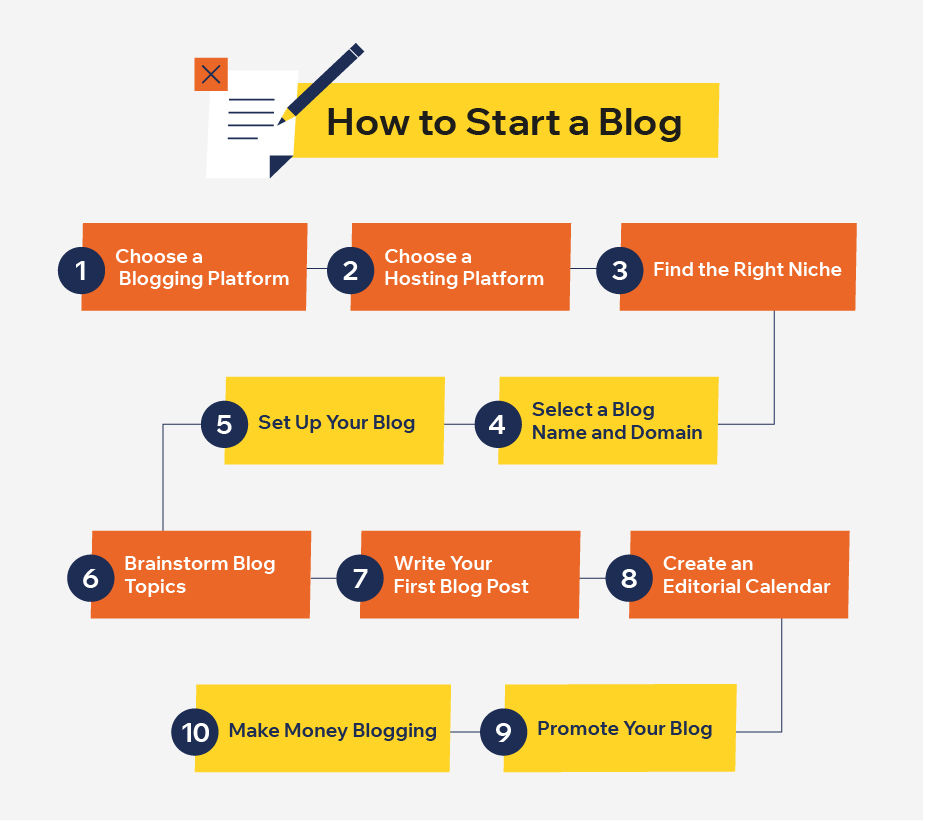
Starting a blog can be a life-changing decision, but with so many options and technicalities involved, it can be overwhelming for beginners. Are you ready to share your ideas, showcase your expertise, and connect with like-minded individuals through the power of blogging? With over 600 million blogs online, the blogging landscape has never been more competitive, yet more accessible. According to recent statistics, 77% of online marketers prioritize blog content creation as part of their digital marketing strategy. Whether you’re looking to build a personal brand, share your passion, or generate income through blogging, this comprehensive guide will walk you through the essential steps to get started with creating your own blog in 2026.
Overview and Introduction
In today’s digital age, having a blog is more important than ever. It’s a way to establish yourself as an authority in your niche, build a community around your interests, and monetize your content through various means. With the rise of social media and online platforms, starting a blog has become easier than ever. You can choose from a variety of options, including personal websites, Medium, and other blogging platforms.
By starting a blog, you can take control of your online presence, share your ideas with the world, and build a loyal following. It’s a great way to showcase your skills, share your knowledge, and connect with like-minded individuals. Whether you’re looking to start a blog for personal or professional reasons, it’s an excellent way to establish yourself online and achieve your goals.
Key Features and Benefits

A blog’s key features and benefits make it an attractive platform for self-expression, information sharing, and community building. Customizability is one of the main advantages of blogging, as it allows users to tailor their content, design, and functionality to suit their needs and preferences. This flexibility is particularly valuable for individuals and businesses looking to establish a strong online presence.
Another significant benefit of blogging is its ability to foster engagement and interaction with readers. Through comments, social media sharing, and other forms of feedback, bloggers can build a loyal following and create a sense of community around their content. Additionally, blogs can serve as a valuable resource for readers, providing in-depth information and expertise on a particular topic. This can help establish the blogger as an authority in their niche and build trust with their audience.
Monetization opportunities are also a significant benefit of blogging, as they allow users to earn income from their content through advertising, affiliate marketing, and sponsored posts. With the right strategy and execution, blogging can be a lucrative venture, providing a sustainable source of income and financial freedom. By leveraging these benefits, bloggers can create a successful and fulfilling online presence that resonates with their audience.
How It Works
To start a blog, you’ll need to choose a platform to host your website. This can be a self-hosted website using a Content Management System (CMS) like WordPress or a hosted platform like Medium or Wix. Self-hosted websites offer more flexibility and control, but may require technical expertise to set up and maintain. Hosted platforms, on the other hand, provide a user-friendly interface and often include features like drag-and-drop design tools and built-in SEO optimization.
| Aspect | Details |
|---|---|
| Steps to Start a Blog | 10 |
| Platforms to Start a Blog | Medium, Personal Website, Wix.com |
| Key Components of a Blog | Topic, Website, Design, Posts, Promotion |
| Difficulty Level | Easy |
| Requirements | Web Hosting, Personal Assistance |
| Platforms for Beginners | Medium, Wix.com |
| Guide Type | Step-by-Step Video, Pictures, Free Personal Assistance |
Once you’ve chosen a platform, you’ll need to register a domain name and set up web hosting. This will give your website a unique address on the internet and allow visitors to access your content. When selecting a domain name, choose a name that reflects your brand and is easy to remember. You’ll also need to set up web hosting, which will store your website’s files and make them available to the public.
After setting up your hosting and domain, you can start designing your website. This will involve choosing a theme or template, customizing the layout and design, and adding content to your pages. A well-designed website will make a good first impression on your visitors and help you establish your brand identity. With your website set up and designed, you can start creating and publishing content, including blog posts, articles, and other types of media.
Types and Variations
There are several types of blogs, including personal blogs, professional blogs, and niche blogs. Personal blogs are typically used for self-expression and sharing personal experiences, while professional blogs are used for business purposes, such as marketing and networking. Niche blogs, on the other hand, focus on a specific topic or industry, such as fashion, technology, or food.
In addition to these categories, there are also different types of blog formats, including static blogs, which are built using a content management system (CMS), and dynamic blogs, which are built using a web development framework. Microblogging platforms, such as Medium and Tumblr, also offer a unique blogging experience, with a focus on short-form content and community engagement. Self-hosted blogs, which are built on a personal website, offer more flexibility and control over design and functionality.
Best Practices and Tips
When starting a blog, it’s essential to have a clear plan and strategy in place. Choose a niche that you’re passionate about and have expertise in, as this will make it easier to create high-quality content and attract a dedicated audience. Research your competition and identify gaps in the market that you can fill with your unique perspective and voice.
To avoid common mistakes, select a domain name that is easy to remember and relevant to your niche. This will make it easier for readers to find and remember your blog. Additionally, invest in a reliable web hosting service that can provide you with the necessary resources and support to ensure your blog is always available and running smoothly. When it comes to design, keep it simple and clean, and focus on creating a user-friendly interface that makes it easy for readers to navigate and find the content they’re looking for.
Common Mistakes to Avoid
When starting a blog, it’s easy to get caught up in the excitement and overlook crucial details. One of the most significant pitfalls is choosing a niche that’s too broad or too competitive. Picking a niche that’s too broad can lead to diluted content and a lack of focus, making it harder to attract and retain a loyal audience. On the other hand, choosing a niche with too much competition can make it challenging to stand out and get noticed.
Another common mistake is neglecting to plan and research before launching a blog. Failing to conduct keyword research can result in poor search engine optimization (SEO), making it harder for your content to reach a wider audience. Additionally, not setting clear goals and expectations can lead to a lack of direction and motivation, causing you to lose interest and abandon your blog altogether. It’s essential to take the time to plan and research before starting a blog to ensure its success.
Conclusion and Final Thoughts
Starting a blog can be a rewarding experience, and with the right guidance, you can set yourself up for success. Key takeaways from this article include choosing a niche that resonates with your audience, selecting a reliable web hosting service, and designing a visually appealing blog. Remember, consistency is key when it comes to blogging, so be sure to regularly post high-quality content that engages your readers.
As you move forward with your blogging journey, consider the future outlook of the industry. With the rise of social media and digital content, the demand for quality blogs continues to grow. By staying up-to-date with the latest trends and best practices, you can position yourself as a thought leader in your niche and attract a loyal following. Don’t be afraid to experiment and try new things – it’s all part of the learning process.
Ultimately, starting a blog is just the first step in a long-term journey. By focusing on quality content, engaging with your audience, and continuously improving your craft, you can build a successful blog that brings value to your readers and drives real results.