
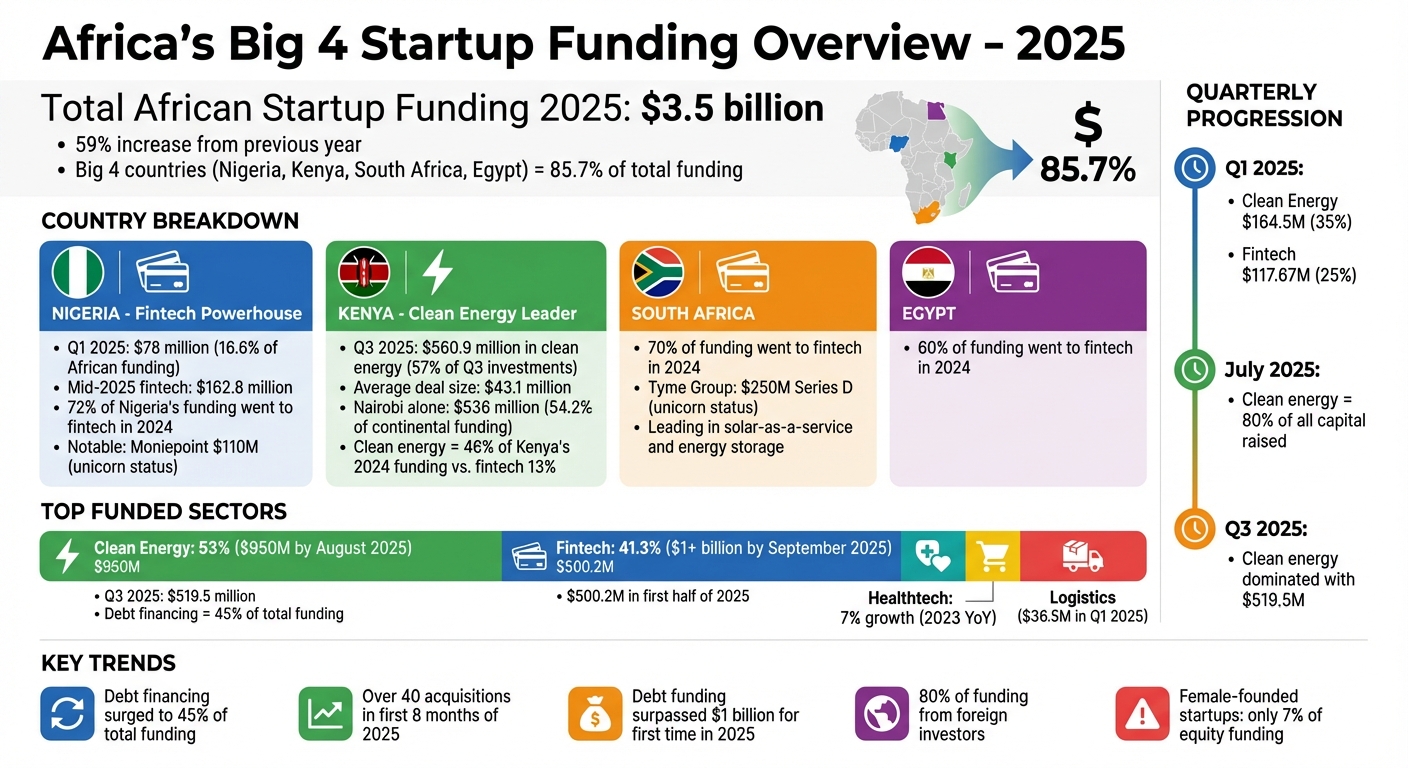
As Africa’s startup ecosystems continue to flourish, two nations are taking center stage: Kenya and Nigeria. In 2024, these East and West African powerhouses demonstrated their growing influence in the global startup landscape, with Kenya raising $638 million and Nigeria securing nearly $400 million in funding. This significant investment is a testament to the region’s entrepreneurial spirit and the potential for innovation in Africa. With Kenya focusing on sectors like climate tech, agritech, and healthcare, and Nigeria’s fintech dominance driving its growth, it’s clear that these two countries are forging distinct paths in the African startup ecosystem.
Startup Funding Landscape in Kenya and Nigeria: A Comparative Analysis
The African startup ecosystem has been gaining momentum in recent years, with Kenya and Nigeria emerging as key players. Both countries have made significant strides in developing their startup scenes, with a focus on innovation and entrepreneurship. The growth of the ecosystem has been driven by a combination of factors, including government support, private investment, and a growing demand for technology-based solutions.
| Aspect | Details |
|---|---|
| Event | Kenya vs. Nigeria: Startup Funding Comparison |
| Date | 25 May 2025 |
| Location | Kenya, Nigeria |
| Key People/Organizations | Tech In Africa |
| Status/Current Situation | Kenya leads in diversified sectors, Nigeria leads in fintech innovation |
| Total Funding (Kenya) | $638M |
| Total Funding (Nigeria) | Nearly $400M |
| Primary Sector Focus (Kenya) | Climate tech, agritech, healthcare |
| Primary Sector Focus (Nigeria) | Fintech |
| Investor Base (Kenya) | Balanced local & international |
| Investor Base (Nigeria) | Mostly international |
| Market Position (Kenya) | Leader in East Africa |
| Market Position (Nigeria) | Dominant in West Africa |
| Regulatory Environment (Kenya) | Business-friendly |
| Regulatory Environment (Nigeria) | Challenging |
Historical Context
Kenya and Nigeria have a long history of startup growth, with both countries having established themselves as hubs for innovation and entrepreneurship. Kenya’s startup scene has been driven by its business-friendly environment and diverse funding sources, which have enabled entrepreneurs to access capital and resources to grow their businesses. Nigeria, on the other hand, has been driven by its vast market and entrepreneurial energy, which have made it an attractive destination for investors and entrepreneurs alike. Both countries have become central to the continent’s investment landscape, with their startup ecosystems playing a key role in driving economic growth and development.
Funding Trends
The funding landscape in Kenya and Nigeria has been shaped by their unique histories and characteristics. Kenya has a more structured ecosystem, with a strong focus on climate tech, agritech, and healthcare. Nigeria, on the other hand, has a more fragmented ecosystem, with a focus on fintech and a growing number of startups in the sector. Both countries have become crucial to Africa’s tech growth, with their startup ecosystems playing a key role in driving innovation and entrepreneurship across the continent.
Funding Focus: Where Kenya and Nigeria Are Investing

Kenya and Nigeria are taking distinct approaches to startup funding, reflecting their unique strengths and challenges. In Kenya, the focus is on climate tech, agritech, and healthcare, with a strong emphasis on local and international investor support. This diversified sector focus has contributed to Kenya’s position as a leader in East Africa’s startup ecosystem.
In contrast, Nigeria’s startup funding landscape is dominated by fintech, which accounted for 46% of its funding in Q1 2025. This sector has propelled Nigeria to become a key player in West Africa’s tech scene, with four of Africa’s five unicorns based in the country. Despite regulatory hurdles and currency instability, Nigeria’s vast market and entrepreneurial energy make it an attractive destination for investors.
Both countries’ approaches offer unique opportunities for growth and innovation. Kenya’s structured ecosystem and business-friendly environment make it an attractive choice for startups looking for stability and diversity, while Nigeria’s fintech-driven growth potential provides a compelling reason for investors to take a closer look.
Growth Paths: How Kenya and Nigeria Are Approaching Startup Success
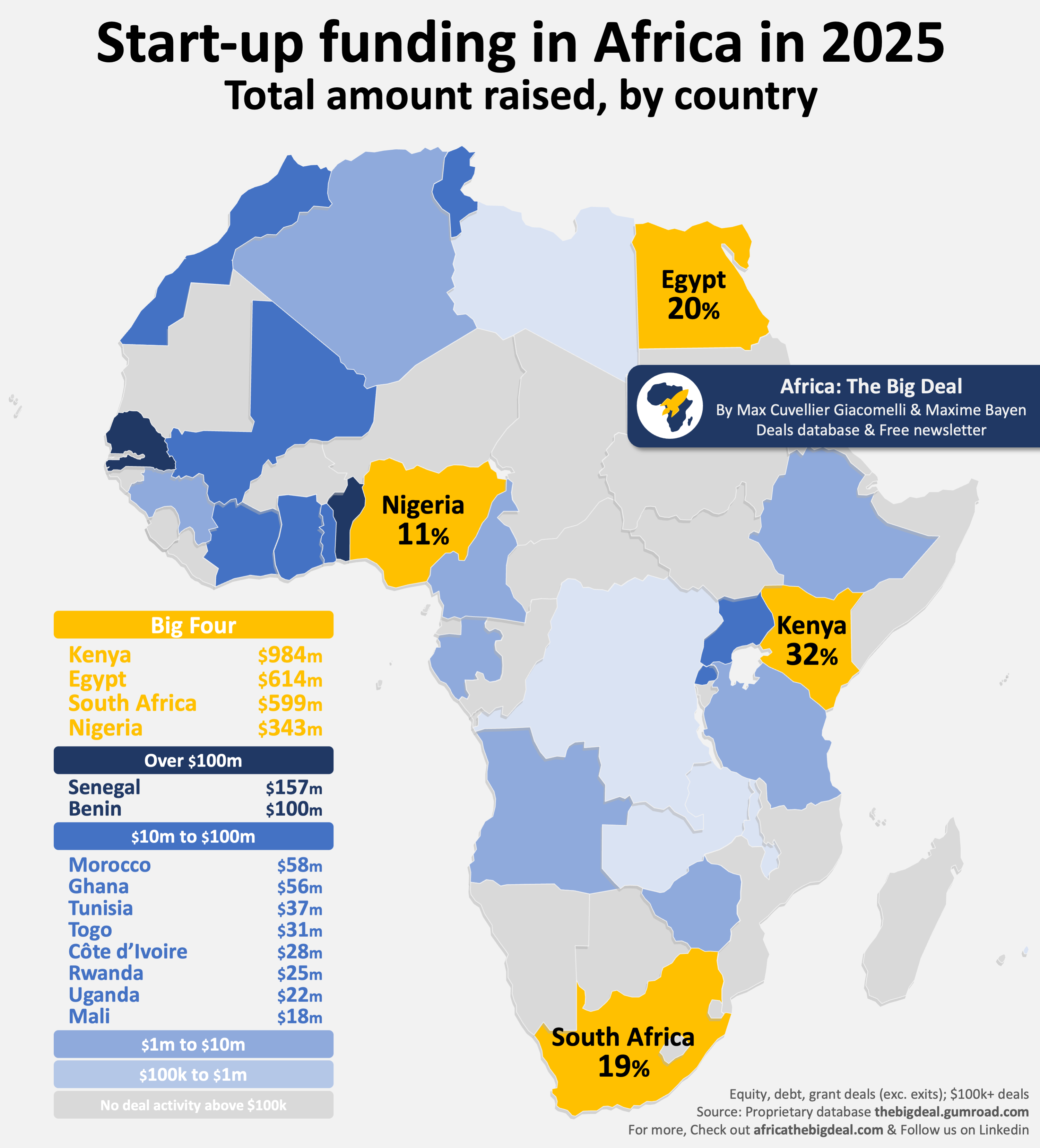
Kenya and Nigeria are taking different approaches to startup success, reflecting their unique environments and priorities. Kenya’s structured ecosystem, with diverse funding sources and a business-friendly environment, has enabled the country to excel in various sectors, including climate tech, agritech, and healthcare. In contrast, Nigeria’s fintech dominance has driven its growth, with four of Africa’s five unicorns calling the country home.
Both countries are leveraging various growth strategies to propel their startups forward. Kenya’s startups are often bootstrapped, with a strong focus on local and international investor support. This approach has allowed them to tap into a broader range of funding sources and build a robust ecosystem. Nigeria, on the other hand, has seen a surge in venture capital investments, particularly in the fintech sector. This has enabled its startups to scale quickly and tap into the country’s vast market potential.
Nigeria’s entrepreneurial energy and vast market make it an attractive destination for startups, while Kenya’s stability and diversity offer a more structured approach to growth. As both countries continue to evolve, their growth paths will likely influence the broader African startup ecosystem, with implications for investors, entrepreneurs, and policymakers alike.
Expert Insights: What Kenya and Nigeria Can Learn from Each Other
Kenya and Nigeria’s startup ecosystems have distinct growth paths, but both countries are crucial to Africa’s tech growth. “Kenya excels in diversified sectors, offering stability and diversity to investors,” says a local entrepreneur. Meanwhile, Nigeria leads in fintech innovation, providing growth potential for investors who prioritize this sector. This contrast highlights the unique opportunities and challenges faced by startups in each country.
Regulatory hurdles and currency instability are significant challenges for Nigerian startups, but its vast market and entrepreneurial energy make it a key player. “Nigeria’s fintech dominance is a result of its vast market and entrepreneurial energy,” notes a fintech expert. However, regulatory hurdles and currency instability pose significant challenges for startups in the country. On the other hand, Kenya’s business-friendly environment and diverse funding sources make it an attractive destination for startups.
Both countries can learn from each other’s strengths and weaknesses. “Kenya’s structured ecosystem and Nigeria’s fintech innovation are both valuable assets to the African startup ecosystem,” says a regional expert. By understanding each other’s growth paths and challenges, Kenya and Nigeria can work together to create a more robust and diverse startup ecosystem that benefits the entire continent.
Conclusion: The Future of Startup Funding in Kenya and Nigeria
The comparison between Kenya and Nigeria’s startup funding landscapes reveals distinct paths in Africa’s tech growth. Kenya excels in diversified sectors, offering stability and a business-friendly environment, while Nigeria leads in fintech innovation, providing growth potential. This dichotomy presents opportunities for investors, who can choose between Kenya’s diversified sectors and Nigeria’s fintech-driven growth.
The implications of this comparison are significant for the African startup ecosystem. Both countries are crucial to Africa’s tech growth, and their unique strengths can complement each other. Kenya’s structured ecosystem and diverse funding sources can support Nigeria’s fintech sector, while Nigeria’s vast market and entrepreneurial energy can drive innovation in Kenya’s diversified sectors.
As the African startup ecosystem continues to evolve, the choice between Kenya and Nigeria will depend on investors’ priorities. Kenya offers stability and diversity, while Nigeria provides fintech-driven growth potential. Ultimately, the success of startups in both countries will depend on their ability to adapt to changing market conditions and leverage their unique strengths to drive growth.
Additional Resources: Where to Learn More About Kenya and Nigeria’s Startup Ecosystems
For those looking to delve deeper into the startup ecosystems of Kenya and Nigeria, there are several resources worth exploring. The African Business Angels Network provides a comprehensive overview of the continent’s startup landscape, including insights into funding trends and growth opportunities. Additionally, the Global Entrepreneurship Monitor (GEM) offers in-depth reports on entrepreneurship and startup activity in various African countries, including Kenya and Nigeria.
The World Bank also publishes reports on Africa’s startup ecosystem, highlighting key challenges and opportunities for growth. For those interested in learning more about climate tech and agritech in Kenya, Climate Innovation Centers is a great resource to explore. Meanwhile, Nigeria’s fintech ecosystem can be better understood through the lens of reports from GSMA and GSMA Mobile Economy.
For a more nuanced understanding of the startup funding landscape in Kenya and Nigeria, Africa’s Tech Boom is a must-read. This report provides a detailed analysis of the funding journeys of both countries, highlighting their distinct paths in Africa’s startup ecosystem.