

The Kenya Meteorological Department has issued a warning of heavy rains expected across the country from March 17, as the wet season intensifies. According to the latest Kenya weather forecast, multiple regions—including the Highlands East and West of the Rift Valley, Lake Victoria Basin, Southeastern Lowlands, and the Coastal region—are set to experience increased rainfall through March 23, 2026. The department cautions that the March 2026 rainfall may bring isolated heavy downpours, urging residents and authorities to stay alert. This development marks a significant escalation in the wet season Kenya is currently facing, with potential impacts anticipated nationwide.
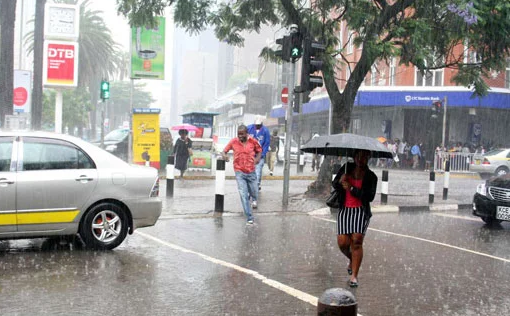
Kenya Meteorological Department Issues Nationwide Heavy Rainfall Forecast
| Event | Heavy rains expected as wet season builds up |
| Date/Time | March 17–23, 2026 (intensity increasing from Thursday) |
| Location | Kenya (Highlands East and West of the Rift Valley, Lake Victoria Basin, Rift Valley, Southeastern Lowlands, Coastal region) |
| Organization Involved | Kenya Meteorological Department |
| Status/Current Situation | Continued rainfall forecast; isolated heavy rainfall events expected in some areas |
| Official Response | Weekly weather outlook and public warning issued by Kenya Meteorological Department |
| Impact | Some areas may experience isolated heavy rainfall; northeastern and northwestern Kenya likely to remain mostly sunny and dry, but occasional rainfall possible |
| Temperature Forecast | Daytime temperatures above 30°C expected in coastal, northeastern, and northwestern regions |
The Kenya Meteorological Department has issued a nationwide weather alert forecasting heavy rains across several regions from March 17 to March 23, 2026. According to the department’s latest weekly weather outlook, the intensity of rainfall is expected to increase beginning Thursday, as the country transitions into the main wet season. The affected regions include the Highlands East and West of the Rift Valley, the Lake Victoria Basin, the Rift Valley, the Southeastern Lowlands, and the Coastal region. The agency has indicated that these areas are likely to experience periods of significant rainfall, with some locations facing isolated heavy downpours during the forecast period.
In a statement posted on its official X account, the Kenya Meteorological Department emphasized that the current weather pattern marks the buildup of the long rains season, which typically brings increased precipitation to much of the country. While most regions are set to receive rainfall, the department noted that northeastern and northwestern Kenya are expected to remain mostly sunny and dry, though occasional showers cannot be entirely ruled out. The forecast also highlights notable temperature variations, with daytime highs above 30°C anticipated in coastal, northeastern, and northwestern areas. The department will continue to monitor the situation and provide regular updates as the wet season progresses.
Regions Most at Risk: Areas Expected to Receive the Heaviest Downpours
The Kenya Meteorological Department has identified five key regions expected to bear the brunt of the upcoming heavy rains: the Highlands East and West of the Rift Valley, the Lake Victoria Basin, the Rift Valley, the Southeastern Lowlands, and the Coastal region. Counties within these areas—including Kisumu, Kakamega, Kericho, Nakuru, Nairobi, Machakos, Kitui, Mombasa, and Kwale—are forecasted to receive the most intense downpours between March 17 and March 23, 2026. According to the latest Kenya weather forecast, these regions may experience isolated heavy rainfall events, increasing the risk of localised flooding, especially in low-lying and poorly drained areas.
Rainfall alert maps released by the Meteorological Department highlight that the Lake Victoria Basin and the Highlands West of the Rift Valley are likely to see the heaviest accumulations, with some locations expected to record rainfall amounts significantly above the seasonal average. The Coastal region is also flagged for substantial rainfall, particularly in urban centres where drainage systems may be overwhelmed. Residents in these high-risk areas are urged to remain vigilant as the wet season intensifies, with the potential for rapid water accumulation and flash floods in susceptible zones.
Potential Impacts: Flooding, Transport Disruptions, and Public Safety Concerns
The anticipated onset of heavy rains in Kenya has raised concerns over potential flooding, landslides, and significant disruptions to transport and infrastructure. With the wet season intensifying, low-lying urban areas and regions with poor drainage are particularly vulnerable to flash floods, which can lead to road closures, property damage, and interruptions in essential services. In previous years, similar rainfall patterns have resulted in major traffic gridlocks in Nairobi, washed-out rural roads, and temporary isolation of communities due to impassable routes.
Public safety risks are heightened during periods of intense rainfall, as swift-moving floodwaters and weakened soil increase the likelihood of accidents and landslides, especially in hilly or densely populated areas. Residents are urged to remain vigilant, as heavy rains can also lead to power outages, contamination of water sources, and increased incidence of waterborne diseases. The Kenya Meteorological Department’s rainfall alert underscores the importance of preparedness, with recent events highlighting how rapidly conditions can deteriorate when the wet season builds up.
Government and Emergency Services Preparedness for Upcoming Rains
In anticipation of the forecasted heavy rains, government agencies and emergency services across Kenya have heightened their preparedness measures to mitigate the risk of flooding and other rain-related hazards. The National Disaster Management Authority (NDMA) has activated its rapid response teams, coordinating closely with county governments in the most vulnerable regions. County disaster committees have been instructed to review and update their contingency plans, ensuring that evacuation routes and emergency shelters are ready for potential use.
Efforts are underway to clear drainage systems and waterways in urban centers, particularly in flood-prone areas, to prevent blockages that could exacerbate flooding. The Ministry of Interior has issued directives to local administrators to monitor high-risk zones and maintain close communication with residents. In addition, the Kenya Red Cross and other humanitarian organizations have pre-positioned relief supplies, including food, water, and medical kits, in strategic locations to facilitate swift response in the event of displacement. Public advisories are being disseminated through local media and community networks, urging vigilance and cooperation with authorities as the wet season intensifies.
Advice for Residents: How to Stay Safe During the Heavy Rains
As the Kenya Meteorological Department issues a rainfall alert for the coming days, residents are urged to take practical precautions to ensure their safety and protect their property. Avoid walking or driving through flooded areas, as even shallow water can pose serious risks. If you encounter a flooded road, turn around and seek alternative routes. Secure loose items around your home—such as outdoor furniture, roofing materials, and drainage systems—to prevent damage or blockages that can worsen flooding. Residents living in flood-prone zones should consider moving valuables and important documents to higher ground and prepare emergency kits with essentials like clean water, food, flashlights, and first aid supplies.
The Kenya Meteorological Department advises the public to stay updated with the latest Kenya weather forecast by following official channels, including the department’s website and verified social media accounts. For immediate assistance during emergencies, keep emergency contacts for local authorities and disaster response teams readily accessible. Monitor local radio and television broadcasts for real-time updates and alerts. By remaining vigilant and prepared, Kenyans can reduce the risks associated with the expected heavy rains and protect themselves and their communities during this wet season.
Looking Ahead: What This Signals for Kenya’s 2026 Wet Season
Meteorological experts suggest that the early onset and intensification of rainfall in March 2026 could signal a particularly robust wet season for Kenya. According to the Kenya Meteorological Department, such patterns often indicate a higher likelihood of above-average rainfall in the coming months. Historically, years that began with similar early and widespread precipitation—such as 2018 and 2020—saw extended wet spells, increased river flows, and heightened flood risks, especially in the central and western regions. This trend raises concerns about the potential for prolonged heavy rains and the associated risks as the season progresses.
The implications of this early rainfall are significant for agriculture, water resources, and local communities. Farmers may benefit from improved soil moisture and planting conditions, but there is also a heightened risk of crop damage if flooding intensifies. Water reservoirs and catchment areas are likely to see increased inflows, offering relief in drought-prone regions but also increasing the risk of overflow and erosion. For communities, the early rainfall pattern underscores the need for vigilance and preparedness, as prolonged wet conditions can strain infrastructure and disrupt livelihoods. Experts emphasize that monitoring the evolving Kenya weather forecast will be crucial in the weeks ahead to anticipate and manage the impacts of the 2026 wet season.
Source: The Star, Kenya
