
Kenya’s Education System Set for a Historic Overhaul. In a significant move aimed at promoting inclusivity and accessibility in education, President William Ruto has directed the Education Cabinet Secretary to integrate traditional learning paths into the country’s formal education system. The directive, announced during the 63rd Madaraka Day celebrations in Wajir County on Monday, marks a major shift in the country’s approach to education. The integration of Duksi, Madrassa, and pastoral instruction programmes is expected to provide every child with a recognised pathway to learning, regardless of their background or circumstances. The move is a key component of Ruto’s education reforms, which seek to address the country’s long-standing education disparities.
Ruto Announces Major Overhaul of Kenya’s Education System
President William Ruto has directed a major overhaul of Kenya’s education system, with a focus on integrating traditional learning paths into the formal curriculum. Speaking on Monday during the 63rd Madaraka Day Celebrations in Wajir County, Ruto emphasized the importance of providing every child with a recognized pathway to learning, regardless of their background or circumstances. The move aims to ensure that every child has a door into learning, and it is the duty of the government to provide this opportunity.
| Aspect | Details |
|---|---|
| Event | Ruto orders integration of Duksi, Madrassa and pastoral instruction into Kenya’s formal education system |
| Date | June 1, 2026 |
| Location | Wajir Stadium, Wajir County |
| Key People/Organizations involved | President William Ruto, Education Cabinet Secretary Julius Ogamba |
| Official Response | Ruto directs Education Cabinet Secretary to engage stakeholders and begin consultations |
| Status/Current Situation | Consultations to begin on formal integration |
| Other Details | Aim is to ensure every child has a recognised pathway to learning regardless of background or circumstances |
The integration of Duksi, Madrassa, and pastoral instruction programmes into the formal education system is expected to benefit marginalized communities, who often lack access to recognized alternative learning pathways. Ruto acknowledged that some learners in these areas remain outside the formal system due to the lack of recognized alternative learning pathways. By formalizing these traditional learning paths, the government hopes to provide a more inclusive and equitable education system for all Kenyan children.
The reform is expected to provide a range of benefits for students, including increased access to education and improved learning outcomes. Ruto stated that the move will ensure every child has a recognized pathway into learning, skills, and opportunity. The government will now engage with relevant stakeholders to consult on the formal integration of the traditional learning paths into the formal education system.
Traditional Learning Paths to Become Part of Formal Curriculum
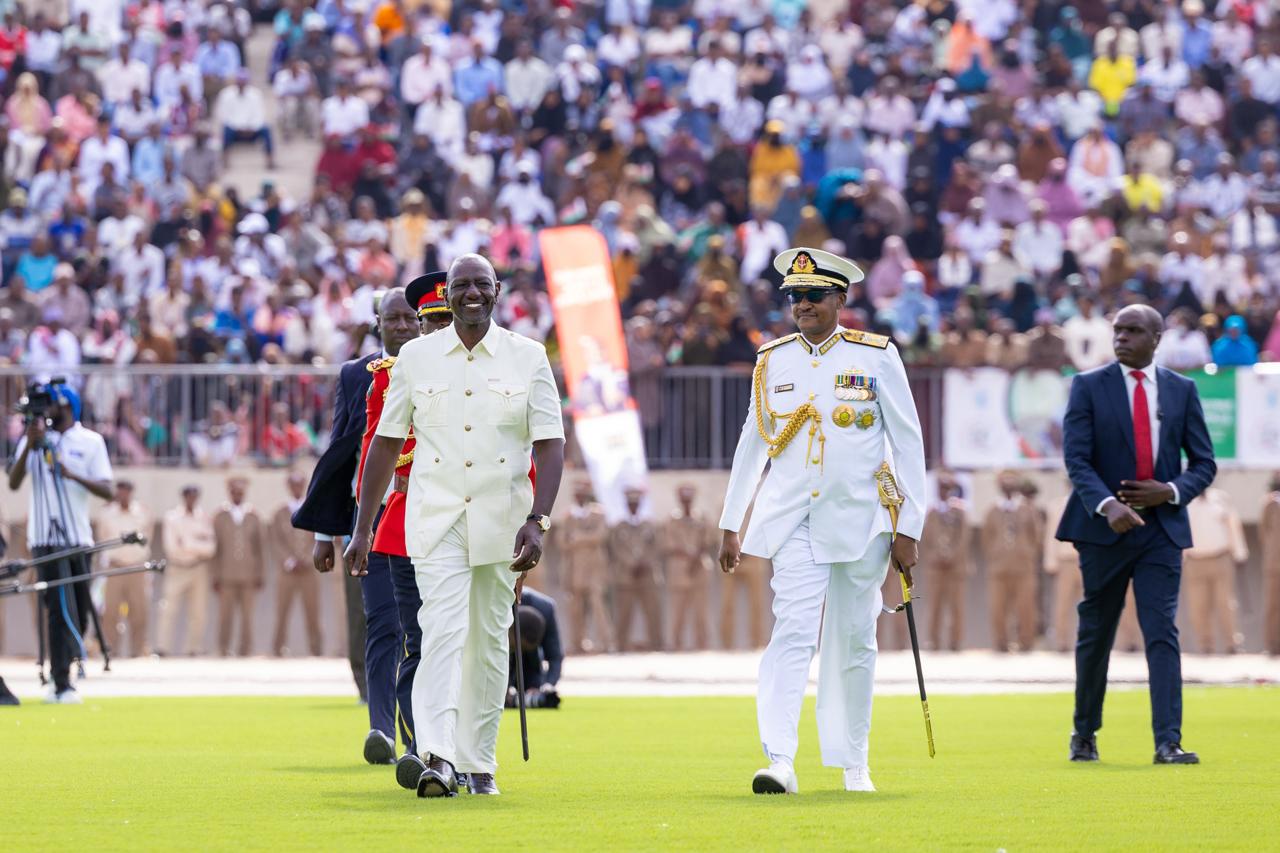
President William Ruto has directed the Education Cabinet Secretary to engage stakeholders and begin consultations on the formal integration of Duksi, Madrassa, and pastoral instruction programmes into Kenya’s education system. The integration aims to provide every child with a recognised pathway to learning, regardless of their background or circumstances. This move will ensure that learners in marginalised areas, who remain outside the formal system due to the lack of recognised alternative learning pathways, have access to a formal education.
Key Components of the Integration
The integration will involve the formal recognition of Duksi, Madrassa, and pastoral instruction programmes, which will be incorporated into the existing education system. Duksi, a traditional learning system, will be integrated into the formal curriculum, providing learners with a unique approach to education. Madrassa, a system of Islamic education, will also be integrated, allowing learners to access a recognised pathway to learning. Pastoral instruction, a programme that focuses on livestock management and care, will be incorporated into the formal education system, providing learners with skills in animal husbandry.
The integration of these programmes into the formal education system is expected to provide learners with a range of benefits, including access to a recognised pathway to learning and skills development. The move is seen as a major step towards ensuring that every child in Kenya has access to quality education, regardless of their background or circumstances.
Ensuring Equal Opportunities for All Kenyan Children

President William Ruto has emphasized the importance of inclusivity in Kenya’s education system, directing the Education Cabinet Secretary to integrate traditional learning paths into the formal system. This move aims to provide every child with a recognized pathway to learning, regardless of their background or circumstances. Ruto acknowledged that some learners in marginalized areas remain outside the formal system due to the lack of recognized alternative learning pathways.
The integration of Duksi, Madrassa, and pastoral instruction programmes will ensure that every child has access to quality education, regardless of their location or socio-economic status. This reform will provide marginalized communities with a chance to acquire skills and knowledge that can help them break the cycle of poverty. By formalizing these traditional learning paths, the government aims to provide a door into learning for every child, regardless of their background.
The long-term impact of this reform is expected to be significant, as it will empower marginalized communities to take control of their education and economic futures. By providing alternative learning pathways, the government is taking a crucial step towards ensuring that every Kenyan child has equal opportunities to succeed.
Implementation and Logistics of the Education Reform
The Education Cabinet Secretary Julius Ogamba has been tasked with engaging all relevant stakeholders to begin consultations on the formal integration of Duksi, Madrassa, and pastoral instruction programmes into Kenya’s education system. This move is expected to ensure every child has a recognised pathway to learning regardless of their background or circumstances. The Cabinet Secretary will work under the Basic Education Act to recommend appropriate measures for the formal integration of these programmes.
The integration process is expected to be gradual, with a timeline for implementation yet to be determined. However, it is anticipated that teachers will undergo training to incorporate the traditional learning paths into their curriculum. This training will be crucial in ensuring that teachers are equipped to handle the diverse needs of students from different backgrounds. The integration of these programmes is expected to provide a more inclusive education system that caters to the needs of all Kenyan children.
Despite the potential benefits, there are concerns about the challenges that may arise during the implementation process. One of the potential challenges is the need for infrastructure development to accommodate the additional programmes. However, the government is expected to work closely with stakeholders to address these challenges and ensure a smooth transition. The success of this initiative will depend on the ability of the government to provide adequate resources and support to schools and teachers.
Reactions from Education Experts and Stakeholders
Education experts have welcomed the move to integrate traditional learning paths into Kenya’s formal education system, citing the potential to bridge the gap in access to quality education for marginalized communities. “This is a long-overdue recognition of the value of alternative learning pathways,” says Dr. Jane Mwangi, a renowned education expert. “The integration of Duksi, Madrassa, and pastoral instruction will provide a recognized pathway to learning for thousands of children who have been excluded from the formal system.”
While some experts have raised concerns about the logistics of integrating these traditional learning paths, others see it as an opportunity to improve the overall quality of education in Kenya. “The key will be to ensure that the integration is done in a way that respects the cultural and linguistic diversity of our students,” notes Dr. Peter Kipkoech, a professor of education at the University of Nairobi. “We need to be mindful of the potential challenges and work together to develop a robust system that supports the needs of all learners.”
As the government moves forward with the integration, experts are urging policymakers to prioritize teacher training and support for schools that will be implementing the new curriculum. “We need to ensure that teachers are equipped to deliver the new curriculum and that schools have the necessary resources to support the integration,” says Dr. Mwangi. “With careful planning and execution, this reform has the potential to transform the education landscape in Kenya and provide opportunities for all children to succeed.”
Next Steps for the Education Reform Initiative
The Education Cabinet Secretary, Julius Ogamba, will engage all relevant stakeholders in consultations on the formal integration of Duksi, Madrassa, and pastoral instruction programmes into Kenya’s education system. President Ruto has directed the Cabinet Secretary to take necessary measures under the Basic Education Act to ensure every child has a recognised pathway to learning. This move is aimed at providing a door into learning for every child, regardless of their background or circumstance.
The government will closely monitor progress in the integration process, with a focus on ensuring that every child has access to a recognised learning pathway. Regular updates and progress reports will be made available to the public, allowing citizens to stay informed about the implementation of the education reform initiative. The government is committed to transparency and public engagement throughout the process.
As the integration process unfolds, opportunities for public engagement will be created to ensure that all stakeholders have a say in the development of the education system. Public forums and consultations will be held to gather feedback and suggestions from parents, teachers, and community leaders, allowing the government to make informed decisions that benefit all Kenyan children. This collaborative approach will help ensure that the education reform initiative is successful and benefits the entire nation.