
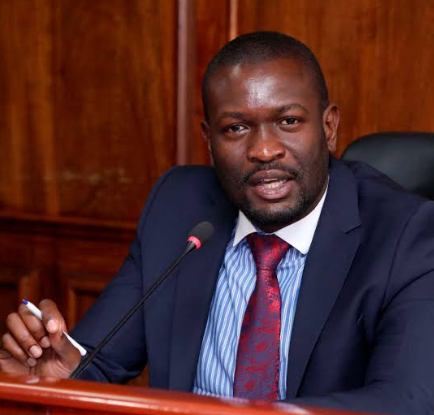
El Niño Looms Over Kenya: As the East African nation prepares for the worst, Nairobi Senator Edwin Sifuna has sounded the alarm, urging the national government to take immediate action against the impending El Niño weather phenomenon. Speaking in the Senate on Thursday, Sifuna emphasized the importance of heeding early warnings from meteorological experts, citing the devastating consequences of previous floods that have ravaged the country. With a clear lead time before the expected disaster strikes, Kenya has a unique opportunity to put in place vital mitigation measures and safeguard lives, property, and livelihoods.
What Happened
Nairobi Senator Edwin Sifuna has urged the national government to immediately publish a comprehensive El Niño preparedness and response plan. Speaking in the Senate on Thursday, Sifuna said forecasts by meteorological experts provided a clear lead time for authorities to put in place mitigation measures and protect lives, property and livelihoods. The senator emphasized that Kenya has sufficient time to prepare for the anticipated weather phenomenon and should not wait until disaster strikes.
| Aspect | Details |
|---|---|
| Event | Urging government to publish El Niño preparedness plan |
| Date | June 4, 2026 |
| Location | Nairobi, Kenya |
| Key People/Organizations involved | Senator Edwin Sifuna, National Government |
| Status/Current Situation | Urgent |
| Official Response | Senator Edwin Sifuna calls for immediate publication of plan |
| Impact/Casualties | Over 300 lives lost, 50,000 people displaced in previous flooding |
| Previous Event | Devastating flooding in 2023-24 |
| Reason for Urgency | Available time to prepare for El Niño weather phenomenon |
Sifuna highlighted that the country had previously suffered devastating consequences from flooding, with over 300 lives lost and almost 50,000 people displaced in the 2023-24 floods. He warned against complacency, saying the government should not assume that forecasts issued by weather experts would not materialise. The senator called for the establishment of emergency evacuation centres in vulnerable regions, saying the facilities should be identified and prepared in advance.
The senator urged the government to inform Kenyans in advance about measures being taken by government agencies, including emergency response mechanisms and support systems for communities living in flood-prone areas. Sifuna stressed that the national government must now publish a comprehensive El Niño preparedness and response plan, providing clear guidelines on what to do in the event of certain happenings.
Background Information

Kenya has a history of suffering devastating consequences from severe weather events, including flooding. The country experienced severe flooding in 2023-24, resulting in over 300 lives lost and nearly 50,000 people displaced. This has raised concerns about the need for effective preparedness and response measures to mitigate the impact of such events. In the past, the government has taken steps to address the issue, but more needs to be done to ensure that communities and emergency response agencies are adequately prepared.
The country’s vulnerability to severe weather events is exacerbated by its geography, with many areas prone to flooding due to heavy rainfall. Previous experiences have shown that early warnings from experts can be crucial in saving lives and reducing damage to property. However, the government’s response to these warnings has often been inadequate, leading to widespread suffering and economic losses. To address this, there is a need for a comprehensive El Niño preparedness and response plan that takes into account the country’s specific vulnerabilities and the expertise of meteorological experts.
The plan should outline clear measures for emergency response, including evacuation procedures and support systems for communities living in flood-prone areas. Establishing emergency evacuation centers in vulnerable regions is also crucial in minimizing the impact of severe weather events. By learning from past experiences and taking proactive steps, Kenya can reduce the risk of severe weather events and ensure that its citizens are better prepared to face such challenges.
Key Players Involved

Nairobi Senator Edwin Sifuna is at the forefront of calls for the national government to publish a comprehensive El Niño preparedness and response plan. As a key player in the push for disaster preparedness, Sifuna is urging the government to take scientific forecasts seriously and use the available time to prepare communities and emergency response agencies for possible heavy rains and flooding. His efforts are part of a broader push for accountability and transparency in disaster preparedness.
The government’s response to Sifuna’s calls will be closely watched by Kenyan citizens, who are eager to see tangible measures put in place to protect their lives, property, and livelihoods. The senator’s emphasis on the importance of listening to experts and using available time to prepare for disasters is a critical reminder of the devastating consequences of complacency. As the country prepares for the anticipated weather phenomenon, Sifuna’s advocacy is a crucial step towards ensuring that the government takes a proactive approach to disaster preparedness.
The push for a comprehensive El Niño preparedness and response plan is not just about responding to disasters, but also about building resilience and supporting vulnerable communities. As Sifuna noted, the country has previously suffered devastating consequences from flooding, and it is essential that the government learns from these experiences to develop effective mitigation measures. The senator’s efforts are a call to action for the government to prioritize disaster preparedness and ensure that all stakeholders are working together to protect the well-being of Kenyan citizens.
Impact and Implications
The devastating effects of El Niño on Kenya’s communities and economy cannot be overstated. Over 300 lives were lost and nearly 50,000 people were displaced during the 2023-24 flooding, a stark reminder of the consequences of inaction. The anticipated heavy rains and flooding pose a significant threat to the livelihoods of millions of Kenyans, particularly those living in flood-prone areas.
The significance of the El Niño phenomenon cannot be ignored. Kenya has sufficient time to prepare for the anticipated weather phenomenon, and it is crucial that the national government takes scientific forecasts seriously. By publishing a comprehensive El Niño preparedness and response plan, the government can provide Kenyans with vital information on emergency response mechanisms, support systems, and evacuation centres. This proactive approach can help mitigate the effects of El Niño and protect lives, property, and livelihoods.
The consequences of inaction will be dire. Flooding can lead to food insecurity, displacement, and loss of property, with far-reaching impacts on the economy and social stability. By taking a proactive approach, the government can ensure that Kenyans are informed and prepared for the challenges ahead, reducing the risk of devastating consequences and promoting a safer, more resilient community.
Expert Opinions and Analysis
Senator Edwin Sifuna’s call for the national government to publish a comprehensive El Niño preparedness and response plan highlights the importance of taking scientific forecasts seriously. The senator emphasizes that Kenya has sufficient time to prepare for the anticipated weather phenomenon, and ignoring early warnings from experts can have devastating consequences. The country’s previous experiences with flooding, such as the 2023-24 disasters that resulted in over 300 lives lost and 50,000 people displaced, serve as a stark reminder of the need for proactive measures.
The Role of Scientific Forecasts in El Niño Preparedness
Sifuna’s statement underscores the significance of meteorological experts’ forecasts in providing a clear lead time for authorities to put in place mitigation measures and protect lives, property, and livelihoods. By listening to experts and using the available time to prepare communities and emergency response agencies, Kenya can minimize the impact of heavy rains and flooding. The senator’s emphasis on the need for a comprehensive preparedness plan highlights the importance of having a clear strategy in place to respond to the anticipated weather phenomenon.
The Importance of Transparency and Community Involvement
Sifuna’s call for the government to publish a comprehensive El Niño preparedness and response plan also underscores the need for transparency and community involvement. By informing Kenyans in advance about measures being taken by government agencies, including emergency response mechanisms and support systems for communities living in flood-prone areas, the government can build trust and ensure that communities are prepared to respond to the anticipated weather phenomenon.
What’s Next
The national government is expected to publish a comprehensive El Niño preparedness and response plan, following Senator Edwin Sifuna’s call to action. This plan will outline the measures to be taken in the event of heavy rains and flooding, and will provide a clear roadmap for emergency response agencies and communities. The plan is crucial in protecting lives, property, and livelihoods, and will help to mitigate the devastating consequences of El Niño.
The government must now take concrete steps to inform Kenyans about the measures being taken to prepare for El Niño. This includes emergency response mechanisms and support systems for communities living in flood-prone areas. The establishment of emergency evacuation centres in vulnerable regions is also a critical next step. By taking these measures, the government can ensure that Kenyans are prepared and equipped to face the challenges posed by El Niño.
The publication of the preparedness and response plan will provide a clear timeline for the implementation of these measures. This will enable communities and emergency response agencies to prepare and respond effectively to the anticipated weather phenomenon. By working together, the government and Kenyans can reduce the impact of El Niño and ensure a safer and more resilient future for all.