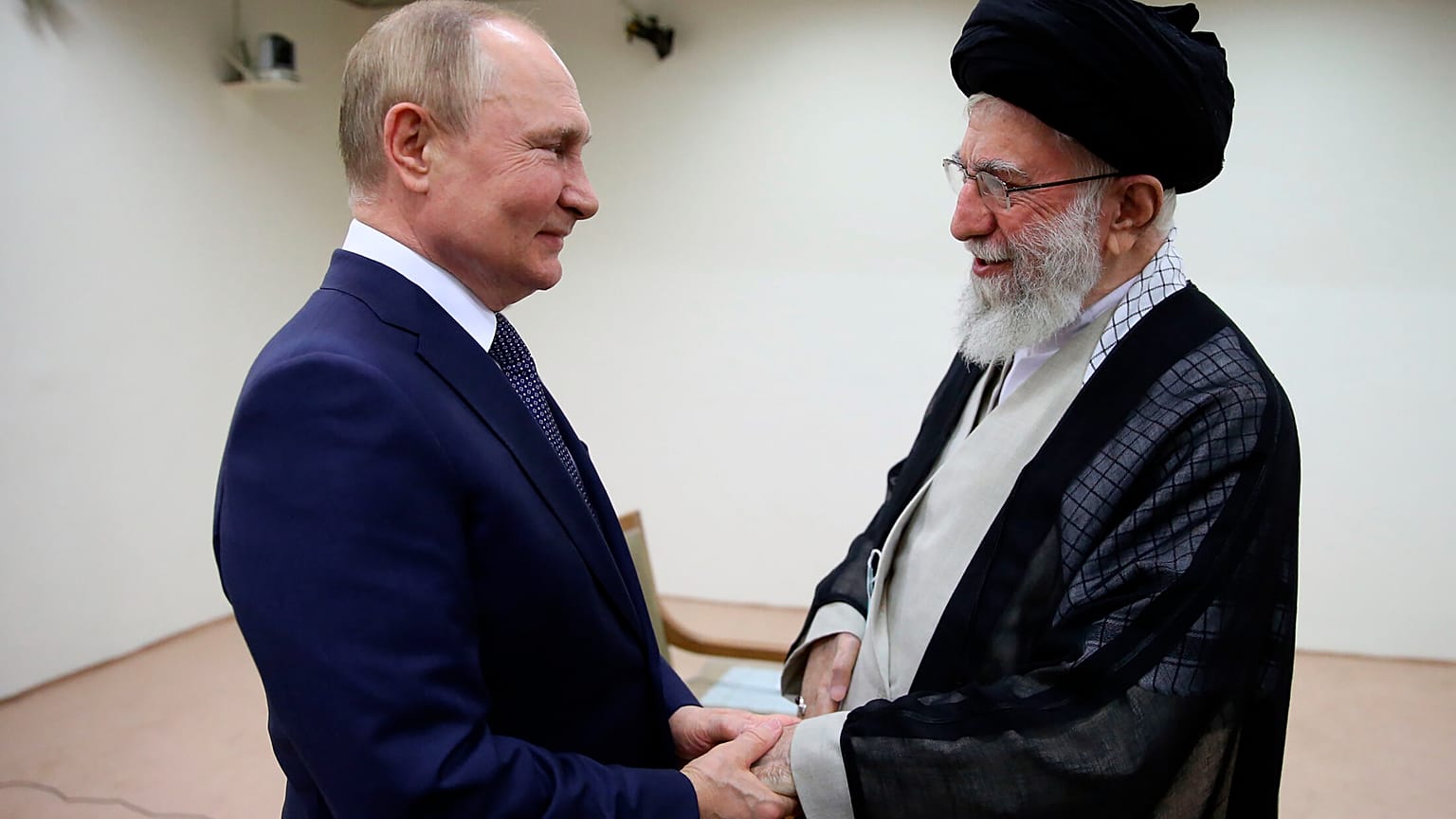
Rising Global Tensions Escalate as Russia Condemns Attacks on Iranian Leadership. In a shocking turn of events, Russia has condemned actions aimed at harming or killing members of Iran’s leadership, following a reported attack in Tehran that left two top officials dead. The incident occurred on March 18, with Ali Larijani and Gholamreza Soleimani confirmed killed by Iranian authorities. Kremlin spokesman Dmitry Peskov spoke out against the attack, emphasizing Russia’s commitment to upholding the sovereignty and independence of nations. As global tensions continue to simmer, this latest development marks a significant escalation in the complex web of alliances and rivalries in the Middle East.
Kremlin Responds to Threats Against Iranian Leadership
| Event | Attacks on Iranian leadership |
| Date | March 18, 2026 |
| Location | Tehran, Iran |
| Key People/Organizations involved | Ali Larijani, Gholamreza Soleimani, Dmitry Peskov, Iran’s Supreme National Security Council, Basij volunteer forces |
| Status/Current Situation | Confirmed deaths of Ali Larijani and Gholamreza Soleimani |
| Impact/Casualties | 2 confirmed deaths |
| Official Response | Russia condemns attacks on Iranian leadership |
| Countries Involved | Russia, Iran, Israel |
| Official Statement | “We certainly condemn actions intended to harm health or, even more so, to kill representatives of the leadership of a sovereign and independent Iran, as well as other countries.” – Dmitry Peskov |
Russia has condemned actions aimed at harming or killing members of Iran’s leadership, according to Kremlin spokesman Dmitry Peskov. “We certainly condemn actions intended to harm health or, even more so, to kill representatives of the leadership of a sovereign and independent Iran, as well as other countries,” Peskov said in a statement. This condemnation comes in response to the reported deaths of two high-ranking Iranian officials, Ali Larijani and Gholamreza Soleimani, in an attack in Tehran.
Peskov emphasized that Russia condemns such actions, highlighting the importance of respecting the sovereignty and independence of all nations. The Kremlin spokesman also addressed reports of Russia sharing satellite images of American facilities in the Middle East and drone production technologies with Iran, stating that U.S. officials have provided no proof of the claim. This statement underscores Russia’s stance on maintaining diplomatic relations with Iran despite global tensions.
Russia’s condemnation of attacks on Iranian leadership reflects the country’s commitment to international diplomacy and cooperation. The Kremlin’s statement serves as a reminder of the importance of respecting the sovereignty and independence of nations, particularly in the face of regional tensions.
Russia’s Stance on Iran Amid Regional Tensions
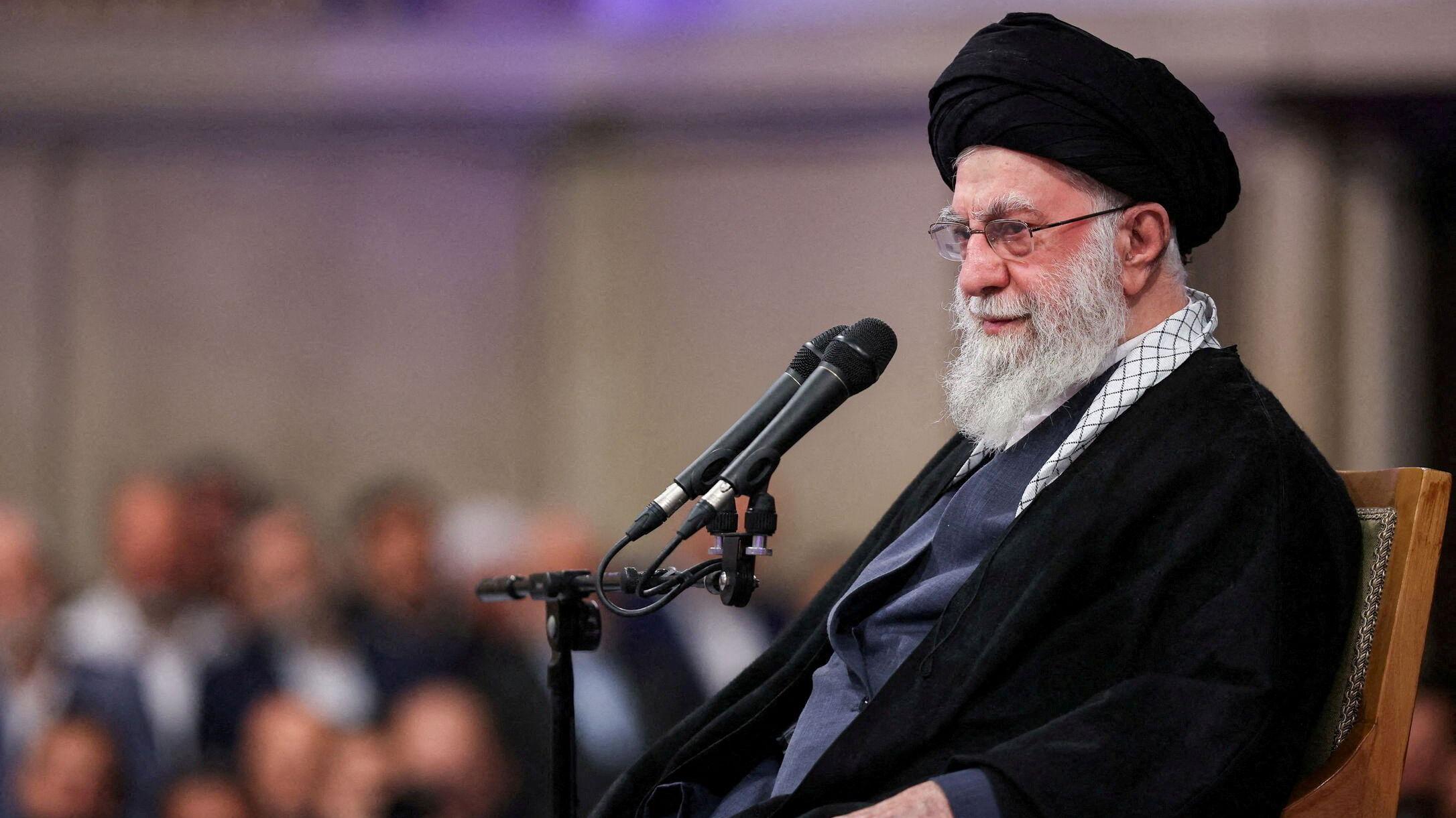
Russia has expressed strong condemnation of actions aimed at harming or killing members of Iran’s leadership. Kremlin spokesman Dmitry Peskov emphasized the importance of respecting the sovereignty and independence of all nations, including Iran. This stance reflects Russia’s long-standing commitment to maintaining good relations with Iran, a key player in the Middle East.
Russia’s Relationship with Iran
Russia’s relationship with Iran is built on mutual interests and cooperation. The two countries have collaborated on various fronts, including energy and defense sectors. The sharing of satellite images and drone production technologies between Russia and Iran has been a point of contention, with the US accusing Russia of violating international sanctions. However, Kremlin officials have denied these allegations, stating that there is no concrete evidence to support the claims.
Global Tensions and Diplomacy
The recent attacks on Iranian leadership have heightened global tensions, with multiple countries weighing in on the situation. Russia’s condemnation of the attacks serves as a reminder of the importance of diplomatic efforts in resolving regional conflicts. As the situation continues to unfold, Russia’s stance on Iran is likely to play a significant role in shaping the region’s future.
Global Reactions to Russia’s Condemnation

The international community is closely watching Russia’s stance on the recent attacks on Iranian leadership. In response to the killings of Ali Larijani and Gholamreza Soleimani, Russia has issued a strong condemnation. Kremlin spokesman Dmitry Peskov emphasized that Russia condemns actions aimed at harming or killing members of a sovereign and independent Iran’s leadership.
Russia’s condemnation has sparked interest globally, with many countries closely monitoring the situation. The Kremlin’s statement highlights the significance of Russia’s relationship with Iran, particularly in the context of regional tensions. As tensions in the Middle East continue to escalate, Russia’s stance on the matter is seen as a crucial factor in maintaining regional stability.
The international community is also taking note of Russia’s reported sharing of satellite images of American facilities in the Middle East and drone production technologies with Iran. Kremlin spokesman Peskov has denied U.S. claims, stating that U.S. officials have provided no proof of the claim. This development has added to the complexity of the situation, with many countries waiting to see how Russia’s actions will impact the region.
Implications for Regional Stability and Security
The condemnation by Russia of attacks on Iranian leadership has sparked concerns about the stability and security of the region. Russia’s stance is significant, given its long-standing relationship with Iran. The Kremlin’s statement highlights the importance of respecting the sovereignty and independence of nations, particularly in the Middle East.
The attacks on Iranian officials, including Ali Larijani and Gholamreza Soleimani, have raised tensions in the region. Russia’s condemnation of such actions is a clear message that it does not condone violence against leadership figures. The Kremlin’s emphasis on the need to protect representatives of sovereign nations underscores the complexity of regional dynamics.
The situation has implications for global tensions, with Russia’s stance potentially influencing the actions of other nations in the region. The Middle East remains a volatile area, with multiple countries and interests at play. Russia’s condemnation of attacks on Iranian leadership is a significant development in the region’s complex security landscape.
What’s Next for Russia-Iran Relations?
Russia’s condemnation of attacks on Iranian leadership marks a significant development in the complex relationship between the two nations. Kremlin spokesman Dmitry Peskov emphasized the importance of respecting the sovereignty and independence of Iran, as well as other countries. This stance is likely to have far-reaching implications for regional stability and security in the Middle East.
As tensions between Iran and its adversaries continue to escalate, Russia’s position on the matter is crucial. The country’s reported sharing of satellite images of American facilities in the Middle East and drone production technologies with Iran has sparked controversy. However, Kremlin officials maintain that U.S. officials have provided no proof of these claims. This lack of clarity may contribute to ongoing global tensions, making it essential for all parties to engage in constructive dialogue to prevent further escalation.
The future of Russia-Iran relations will depend on how both nations navigate the complex web of regional politics. With multiple stakeholders involved, including the United States, Israel, and other regional powers, the situation is likely to remain volatile. As Russia continues to assert its position on the matter, it remains to be seen how this will impact the broader regional dynamics and global security landscape.
Experts Weigh in on Russia’s Condemnation
As Russia condemns actions aimed at harming or killing members of Iran’s leadership, international experts are analyzing the implications of this stance. According to Kremlin spokesman Dmitry Peskov, Russia condemns actions intended to harm health or kill representatives of the leadership of a sovereign and independent Iran, as well as other countries. This condemnation comes as tensions in the Middle East continue to rise.
Russia’s Stance on Iran Amid Regional Tensions
Russia’s condemnation of attacks on Iranian leadership highlights its commitment to maintaining good relations with Iran. Experts note that Russia has been a key player in the region, and its support for Iran is a significant aspect of its foreign policy. By condemning these attacks, Russia is signaling its opposition to any actions that could destabilize the region.
Russia’s Position on Global Tensions
Russia’s stance on Iran also reflects its broader position on global tensions. By condemning attacks on Iranian leadership, Russia is emphasizing the importance of respecting the sovereignty and independence of nations. This stance is likely to be seen as a significant development in the context of ongoing regional tensions and global power dynamics.
Source: Xinhua