
In a groundbreaking move, researchers in the field of soil science have proposed a new definition of soil that could have far-reaching implications for farming and space exploration. The revised understanding of soil, announced in April 2026, expands the concept beyond Earth’s fertile fields to include icy surfaces and snowpacks on our planet, as well as frozen surfaces on moons and dwarf planets. This new perspective on soil has the potential to revolutionize our understanding of planetary surfaces, from the frozen tundra of Antarctica to the icy landscapes of distant moons.
Rethinking Soil: New Definitions for Earth and Beyond
Soil science is undergoing a significant transformation as researchers redefine the concept of soil to encompass a broader range of environments. Traditional definitions may be too narrow, limiting the scope of soil research and its applications. A more inclusive approach could greatly expand our understanding of soil on Earth and beyond.
| Aspect | Details |
|---|---|
| Event | New Soil Science Ideas Change Farming and Space Research |
| Date | April 16, 2026 |
| Location | University of Nebraska–Lincoln |
| Key People/Organizations involved | Dr. Aaron Lee M. Daigh, University of Nebraska–Lincoln |
| Status/Current Situation | Ongoing research |
| New Definition Proposal | Broader definition of soil to include icy materials on Earth and beyond |
| Research Focus | Soil science, soil and water research, vadose zone hydrology |
| Expertise | Soil physicist, vadose zone hydrologist |
One key proposal suggests redefining soil based on its formation process, rather than its composition. This would mean that even fresh volcanic ash or newly deposited river sediments could be considered soil, even before plants or animals appear. By adopting this perspective, scientists can explore the early stages of soil development and its role in shaping ecosystems.
A second major proposal focuses on soil depth, advocating for a more dynamic definition that takes into account the varying conditions under which soil forms. Instead of choosing a fixed depth, such as a few feet, soil should be defined by how deep it is influenced by external factors, such as water, temperature, and biological activity. This shift in perspective could lead to new insights into the behavior of soil on Earth and its potential analogues on other planets and moons.
Icy Surfaces on Moons and Dwarf Planets Now Considered Soil
Scientists have expanded the concept of soil to include icy surfaces on moons and dwarf planets. This shift in perspective is part of a broader effort to redefine soil in a way that encompasses a wider range of environments. Soil is no longer limited to Earth’s fields and forests, but can also be found in the frozen landscapes of our solar system.
The inclusion of icy surfaces in the definition of soil has significant implications for planetary research. By considering snowpacks and frozen soil as forms of soil, scientists can gain a deeper understanding of the geological processes that shape our universe. This expanded definition also opens up new avenues for astrobiology research, as it allows scientists to study the potential for life in environments that were previously thought to be inhospitable.
The recognition of icy surfaces as soil has far-reaching implications for our understanding of the universe. Frozen soil on distant moons and dwarf planets can provide valuable insights into the history and evolution of our solar system. By studying these environments, scientists can gain a better understanding of the complex interactions between water, ice, and rock that shape the formation of planetary surfaces.
Implications for Farming and Agriculture: A New Era of Soil Management
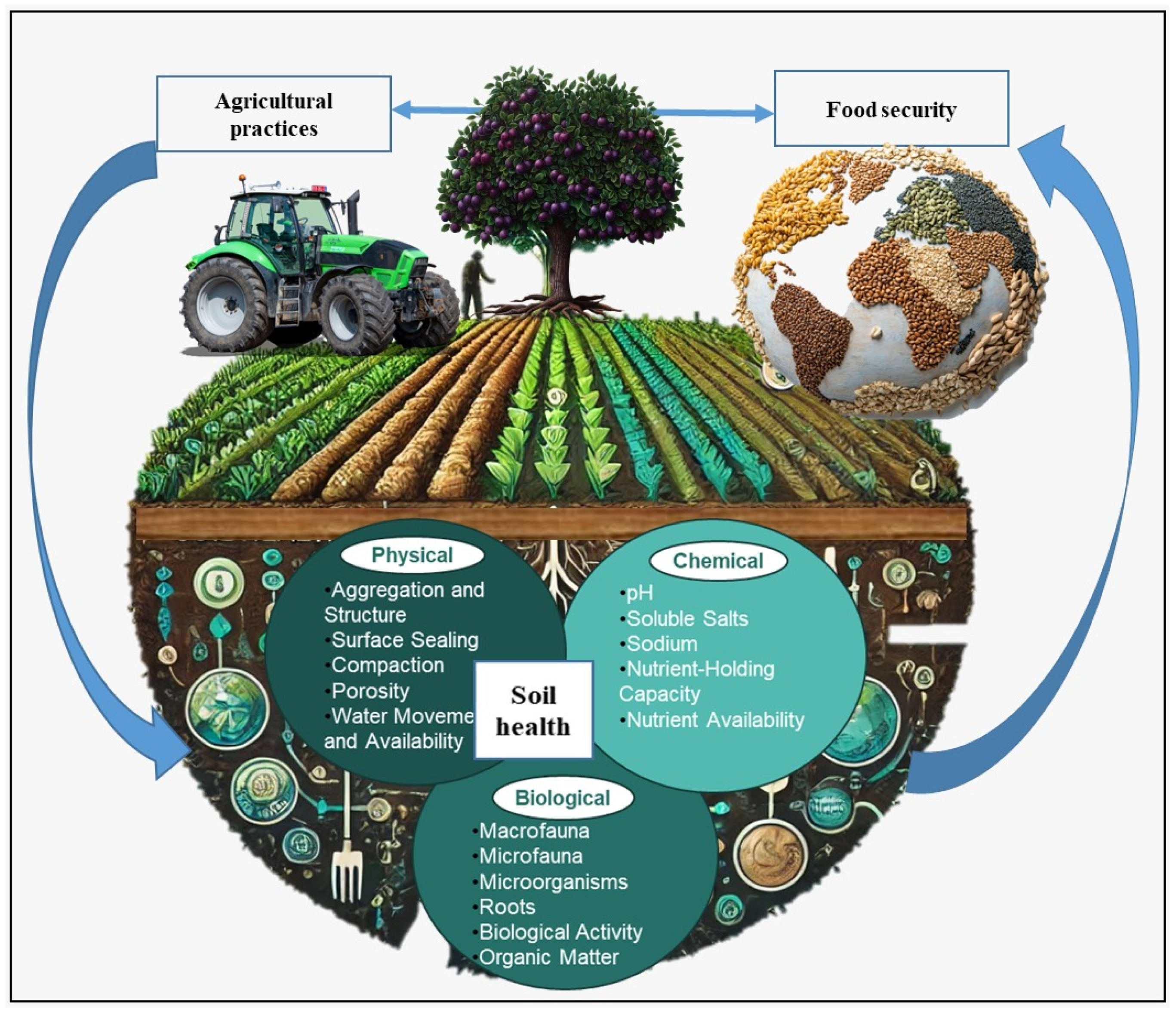
The new soil science ideas have significant implications for farming and agriculture, ushering in a new era of soil management. Soil is no longer just a narrow definition of the top layer of the Earth’s surface, but a broader concept that encompasses various forms of sedimentation, including fresh volcanic ash and newly deposited river sediments. This expanded view of soil can greatly enhance our understanding of soil’s role in agriculture and environmental protection.
The traditional definition of soil has been too narrow, limiting our scientific understanding of this vital component. By broadening the definition of soil, researchers can now study soil’s properties and behaviors in a more comprehensive manner. This shift in perspective can also help us better understand the complex relationships between soil, water, and plants, ultimately leading to more efficient and sustainable farming practices.
The implications of this new soil science are far-reaching, with potential applications not only in agriculture but also in planetary research and space exploration. By redefining soil in a more inclusive way, scientists can now explore the presence of soil-like substances on other planets and moons, opening up new avenues for astrobiological research.
The Intersection of Astrobiology and Soil Science: A New Frontier
The intersection of astrobiology and soil science is giving rise to a new frontier in research. Soil is no longer limited to Earth’s fields, as scientists are now considering it on icy surfaces and snowpacks. This shift in perspective has significant implications for planetary research, where the presence of soil can provide valuable insights into the history and potential habitability of distant worlds.
One of the key areas of research is the study of frozen soil, which is found on moons and dwarf planets in our solar system. This type of soil is composed of water ice and other frozen materials, and it can provide a unique window into the geological history of these celestial bodies. By studying frozen soil, scientists can gain a better understanding of the processes that shape the surface of these worlds and potentially even detect signs of life.
The study of soil on icy surfaces is also shedding new light on the definition of soil itself. Soil can now be defined by its ability to support life, rather than just its composition or depth. This broader definition has the potential to greatly expand our understanding of soil and its role in the universe.
Future Research Directions: Uncovering the Secrets of Planetary Soil
Soil science is on the cusp of a major transformation, with researchers pushing to redefine the term to encompass a broader range of environments. One key proposal suggests that soil should be defined not just by its composition, but by its function. Soil is essential for supporting life, whether on Earth or beyond. This shift in perspective could have significant implications for our understanding of soil on other planets and moons.
A broader definition of soil could also lead to new discoveries on Earth, particularly in areas where traditional definitions may not apply. Even fresh volcanic ash or newly deposited river sediments can be considered soil, even before plants or animals appear. This expanded view of soil could also have implications for our understanding of soil depth, with some researchers proposing that soil should be defined by its depth rather than a fixed measurement.
As scientists continue to explore the mysteries of planetary soil, they are uncovering new insights into the complex relationships between soil, water, and life. The study of soil on other planets and moons is a rapidly evolving field, with new discoveries being made regularly. By redefining soil and expanding our understanding of its role in the universe, researchers are opening up new avenues for exploration and discovery.