
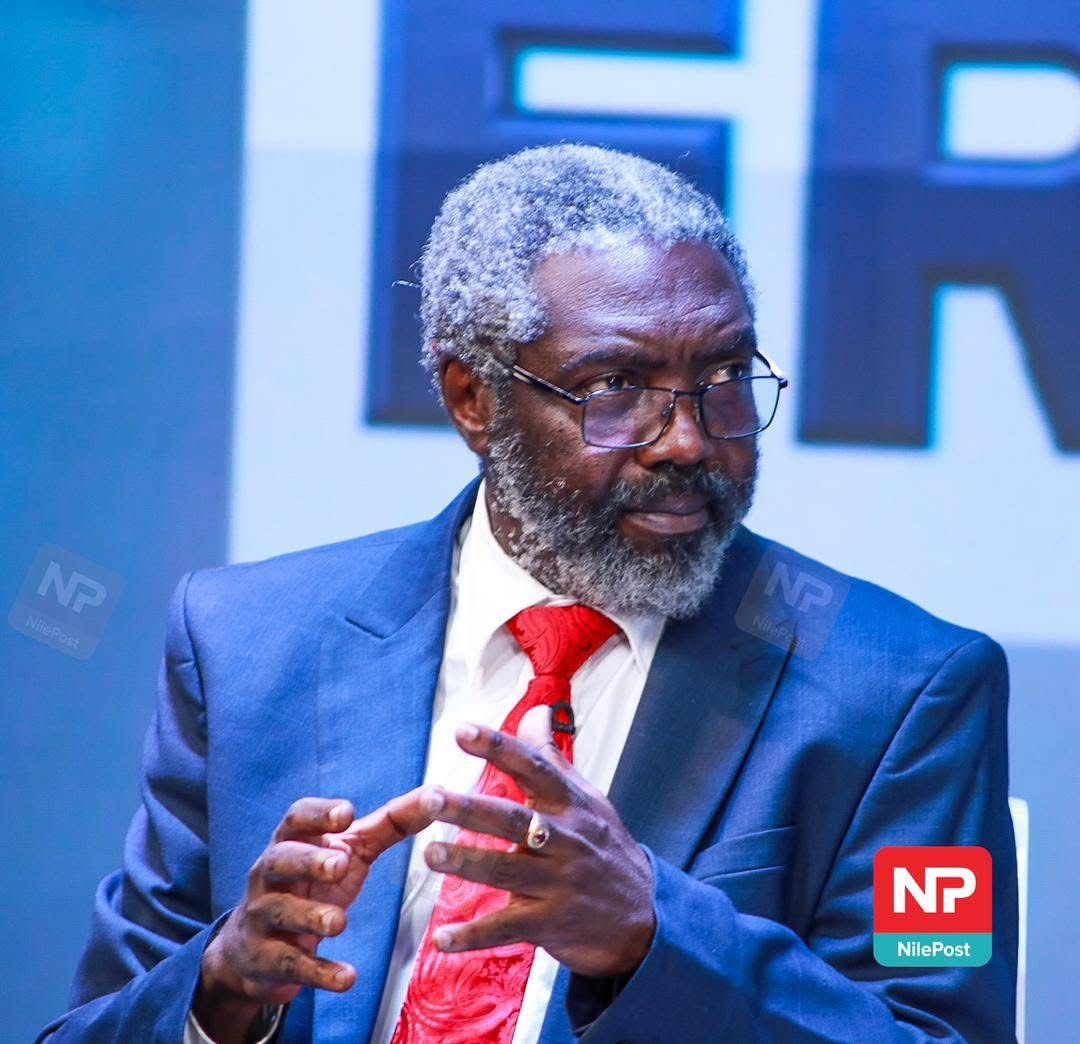
As the healthcare system in Uganda continues to grapple with the challenges of providing quality services to its citizens, a pressing issue has come to the forefront: the welfare of medical interns. The president of the Uganda People’s Congress (UPC), Jimmy Akena, has recently weighed in on the matter, criticizing the government’s handling of medical interns. Speaking in Kampala, Akena emphasized the critical role medical interns play in the delivery of healthcare services, highlighting the need for their welfare to be prioritized in order to ensure better service delivery in health facilities. The UPC leader’s comments come as the medical internship program in Uganda faces an uncertain future, with concerns over allowances, working conditions, and the overall dignity of these crucial healthcare workers.
UPC President Akena Speaks Out on Medical Interns’ Welfare
The president of the Uganda People’s Congress (UPC), Jimmy Akena, has voiced his concerns over the government’s handling of medical interns. Akena emphasized that the welfare of these interns directly affects the quality of healthcare provided to citizens. He argued that medical interns play a critical role in the delivery of healthcare services and should be treated as an integral part of Uganda’s health system.
| Aspect | Details |
|---|---|
| Event | Uganda: UPC President Akena Criticizes Government Over Medical Interns’ Welfare |
| Date | June 10, 2026 |
| Location | Kampala, Uganda |
| Key People/Organizations involved | Jimmy Akena (UPC President), Uganda People’s Congress (UPC), National Resistance Movement (NRM) |
| Status/Current Situation | Criticism of government handling of medical interns |
| Official Response | Jimmy Akena’s press conference statement |
| Key Issue | Welfare of medical interns and national priorities |
| Policy Proposal | Affordable housing for public servants, including medical personnel |
| Party Position | UPC emphasizes welfare of key public service workers |
Akena contrasted UPC’s approach with that of the ruling National Resistance Movement (NRM), highlighting the party’s focus on the welfare of key public service workers, including medical personnel, teachers, police officers, and prison officers. He cited UPC’s affordable housing proposal as an example of policy alternatives aimed at supporting public servants who are frequently transferred across the country. According to Akena, such workers deserve decent housing and stable living conditions that enable them to effectively serve citizens while maintaining family stability.
Akena urged the government to prioritize the dignity, motivation, and working conditions of health workers to ensure better service delivery in health facilities. He maintained that Uganda needs stronger systems to address the challenges facing essential service providers and pledged that UPC would continue holding government accountable over these issues.
Jimmy Akena: The Man Behind the Criticism
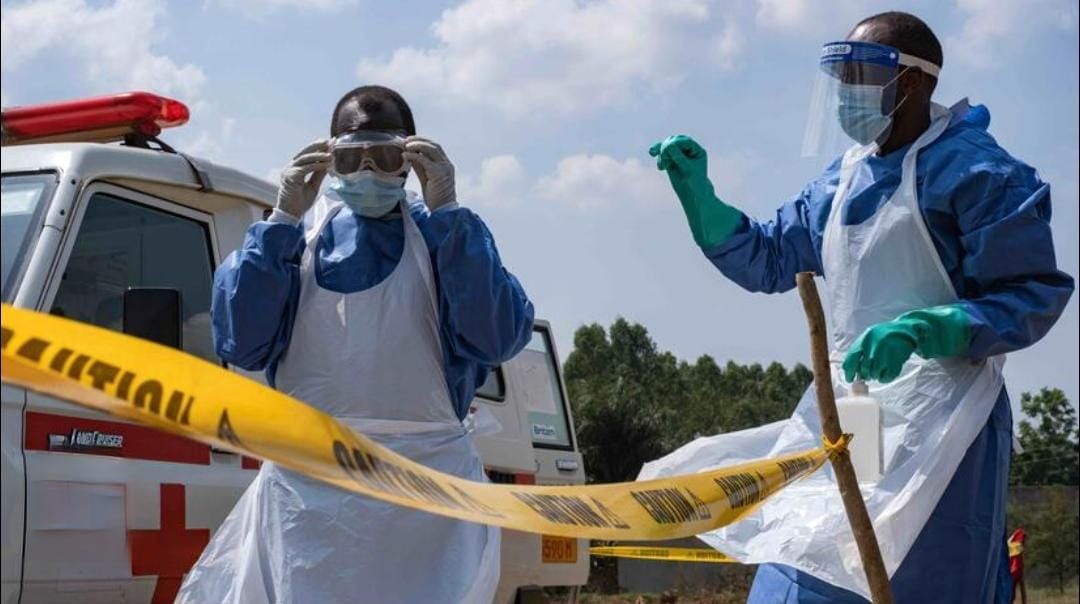
Jimmy Akena, the president of the Uganda People’s Congress (UPC), has dedicated his life to public service. As a seasoned politician, Akena has a deep understanding of the challenges facing Uganda’s healthcare system. His party’s emphasis on the welfare of key public service workers, including medical personnel, reflects his commitment to improving the lives of ordinary Ugandans. Akena’s experience in politics has equipped him with the knowledge and skills necessary to navigate the complexities of government policy and advocate for change.
Akena’s criticism of the government’s handling of medical interns is a testament to his dedication to healthcare reform. He believes that medical interns play a critical role in the delivery of healthcare services and should be treated as an integral part of Uganda’s health system. By prioritizing the welfare of medical interns, Akena hopes to improve the quality of healthcare provided to citizens. His party’s affordable housing proposal, which aims to support public servants who are frequently transferred across the country, demonstrates Akena’s commitment to addressing the challenges facing healthcare workers.
A Leader with a Vision for Change
As the president of UPC, Akena has a clear vision for change in Uganda’s healthcare system. He believes that government policy should prioritize the dignity, motivation, and working conditions of health workers to ensure better service delivery in health facilities. By holding the government accountable for the welfare of medical interns, Akena hopes to bring about meaningful reform and improve the lives of ordinary Ugandans. His leadership and advocacy have the potential to inspire positive change in Uganda’s healthcare system.
Government Response to Criticism: A Mixed Bag
The government of Uganda has responded to criticism from UPC President Jimmy Akena regarding the welfare of medical interns. While some officials have acknowledged the importance of addressing the concerns raised by Akena, others have downplayed the issue. Health Minister Jane Aceng has stated that the government is committed to improving the working conditions of medical interns, but her words have been met with skepticism by many in the medical community.
A government spokesperson has also attempted to deflect criticism by pointing to recent investments in the healthcare sector. However, these claims have been disputed by Akena, who argues that the government’s priorities are misplaced. Akena has emphasized that the welfare of medical interns is not just a matter of allowances, but also reflects deeper questions about national priorities. He has called on the government to prioritize the dignity, motivation, and working conditions of health workers to ensure better service delivery in health facilities.
The mixed response from the government has sparked further debate about the issue. While some have praised the government’s efforts to address the concerns of medical interns, others have criticized the lack of concrete action. Akena has pledged that UPC will continue to hold the government accountable for its handling of the issue. As the debate continues, one thing is clear: the welfare of medical interns remains a pressing concern in Uganda, and the government’s response will be closely watched by the public and the medical community.
Public Reaction: A Call to Action for Medical Interns’ Welfare
The public reaction to UPC President Jimmy Akena’s criticism of the government’s handling of medical interns has been overwhelmingly supportive. Many Ugandans are calling for better working conditions, decent housing, and stable living conditions for medical interns, who play a critical role in the delivery of healthcare services. As Akena emphasized, the welfare of medical interns directly affects the quality of healthcare provided to citizens, and government policy should prioritize their dignity, motivation, and working conditions.
A Call to Action for Healthcare Reform
The public is urging the government to take a more proactive approach to addressing the challenges facing medical interns. Many are highlighting the need for stronger systems to support essential service providers, including medical personnel, teachers, police officers, and prison officers. Akena’s proposal for affordable housing, for example, is seen as a step in the right direction, as it would enable medical interns to maintain family stability while serving citizens effectively. By prioritizing the welfare of key public service workers, the government can ensure better service delivery in health facilities and improve the overall quality of healthcare in Uganda.
What’s Next for Medical Interns in Uganda?
Medical interns in Uganda are at the center of a heated debate, with the government’s handling of their welfare coming under intense scrutiny. The Uganda People’s Congress (UPC) has taken a strong stance on the issue, criticizing the government’s priorities and policies that affect the lives of these essential service providers. UPC President Jimmy Akena has argued that medical interns play a critical role in the delivery of healthcare services and should be treated as an integral part of Uganda’s health system.
The UPC has emphasized the need for a more comprehensive approach to addressing the challenges facing medical interns, including decent housing and stable living conditions. Akena cited the party’s affordable housing proposal as an example of policy alternatives aimed at supporting public servants who are frequently transferred across the country. This proposal, presented during a previous election campaign, aimed to provide decent housing for public servants, including medical personnel, teachers, police officers, and prison officers. The UPC’s focus on the welfare of key public service workers is a stark contrast to the ruling National Resistance Movement’s (NRM) approach, which has been criticized for prioritizing other sectors over the needs of essential service providers.
As the debate continues, medical interns in Uganda are calling for action. Akena has pledged that the UPC will continue holding the government accountable for its handling of the medical interns’ welfare. The UPC’s stance on this issue has sparked a wider conversation about the need for stronger systems to address the challenges facing essential service providers in Uganda. With the government’s response to criticism remaining unclear, medical interns and their supporters are holding out hope for meaningful change and a better future for those who dedicate their lives to serving the people of Uganda.
African Politics: Lessons from Uganda’s Medical Interns’ Welfare Debate
The welfare of medical interns in Uganda has become a pressing concern, with the president of the Uganda People’s Congress (UPC), Jimmy Akena, criticizing the government’s handling of the issue. Akena emphasized that medical interns play a critical role in delivering healthcare services and should be treated as an integral part of Uganda’s health system. He argued that their welfare directly affects the quality of healthcare provided to citizens, highlighting the need for government policy to prioritize the dignity, motivation, and working conditions of health workers.
UPC’s approach to supporting public service workers, including medical personnel, teachers, police officers, and prison officers, stands in contrast to that of the ruling National Resistance Movement (NRM). Akena cited UPC’s affordable housing proposal as an example of policy alternatives aimed at supporting public servants who are frequently transferred across the country. He argued that such workers deserve decent housing and stable living conditions that enable them to effectively serve citizens while maintaining family stability.
Akena’s comments reflect a broader concern about the lived realities of ordinary Ugandans, including parents, teachers, and farmers. He emphasized that government claims of progress in sectors such as health and education should be measured against the actual experiences of citizens. By holding the government accountable, UPC aims to address the challenges facing essential service providers and promote better service delivery in health facilities.

