
The European food system, a complex network of production, processing, and consumption, has reached a critical juncture. Over one-fifth of Europe’s environmental and climate impacts can be attributed to the food system, a staggering figure that highlights the urgent need for change. As the continent grapples with the challenges of climate change, it is clear that the way Europe produces, distributes, and consumes food must be reevaluated. With agriculture being the main food production sector, the European food system plays a vital role in satisfying basic human needs while also maintaining ecosystem health and social well-being. However, the current state of the food system is unsustainable, and it is imperative that immediate action is taken to address the environmental and climate impacts associated with it.
The Alarming Environmental Footprint of Europe’s Food System
The food system in Europe is a complex network of production, processing, manufacturing, supply, retail, services, and consumption. Agriculture, the main food production sector, is complemented by fisheries and aquaculture. This system has turned modern agriculture into a significant economic sector, but it has also created challenges for the environment and climate. For example, agriculture is a major source of greenhouse gases, responsible for 11% of all emissions in the EU.
| Aspect | Details |
|---|---|
| Event | The food system is one of Europe’s major systems of production and consumption, causing over one-fifth of all environmental and climate impacts. |
| Date | 19 Mar 2026 |
| Location | Europe |
| Key People/Organizations | European Environment Agency (EEA) |
| Status/Current Situation | Ongoing |
| Impact/Casualties | Over one-fifth of all environmental and climate impacts |
| Official Response | EU action |
| Key Facts | Agriculture is the main food production sector, contributing 11% of all greenhouse gases emitted in the EU |
| Key Facts | Agriculture is a significant contributor to the emissions of harmful air pollutants, such as ammonia |
| Key Facts | Agriculture is the most significant pressure impacting both surface and groundwaters |
| Key Facts | Agriculture, fisheries, and the food system are key drivers of biodiversity and habitat loss through land conversion, soil degradation, overfishing, water abstraction, and chemical and nutrient pollution |
The food system’s environmental impact extends beyond greenhouse gas emissions. Agriculture is a significant contributor to the emissions of harmful air pollutants, such as ammonia, and it remains a major pressure on both surface and groundwater resources. The system also drives biodiversity loss through land conversion, soil degradation, overfishing, water abstraction, and chemical and nutrient pollution. Furthermore, human health is directly dependent on the sustainability of the food system, with unhealthy diets, exposure to chemical residues in food and packaging, and contamination of drinking water being just a few examples of this critical link.
The environmental footprint of Europe’s food system is a pressing concern that requires immediate attention. As the system continues to grow and evolve, it is essential to address the challenges it poses to the environment and climate. By understanding the complexities of the food system and its impact on the environment, we can work towards creating a more sustainable and resilient food system that benefits both people and the planet.
The Role of Agriculture in Europe’s Environmental Degradation
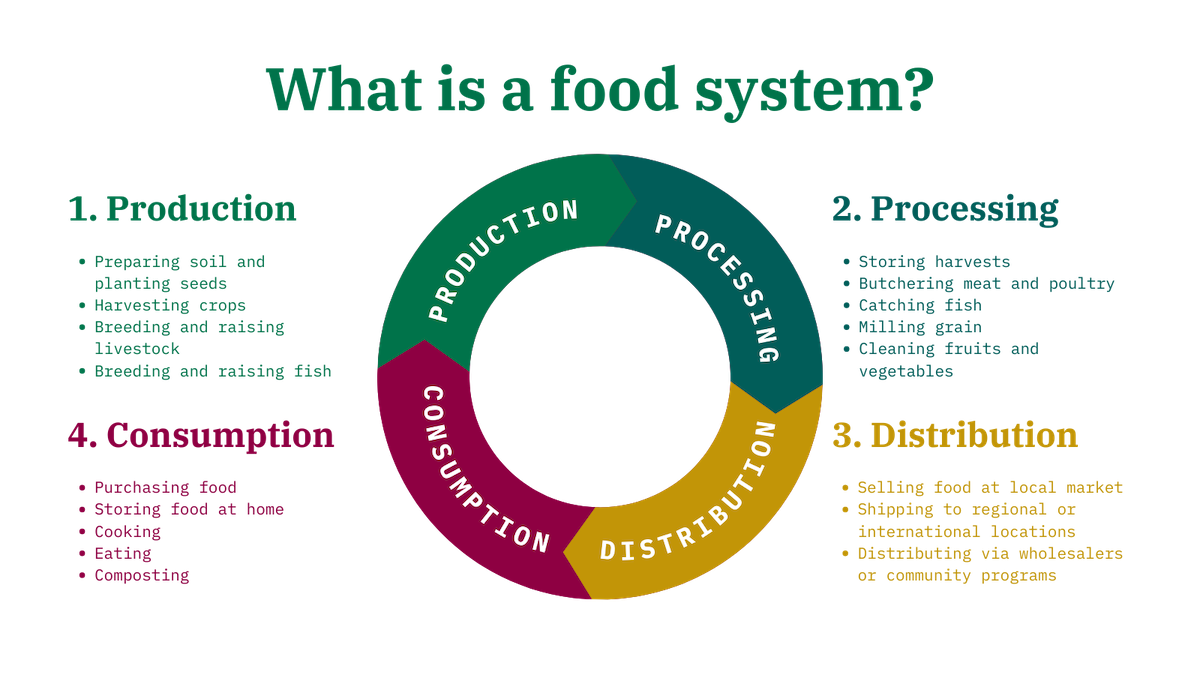
Agriculture plays a significant role in Europe’s environmental degradation, with the food system being one of the continent’s major systems of production and consumption. This complex network of production, processing, manufacturing, supply, retail, services, and consumption causes over one-fifth of all environmental and climate impacts. Agriculture is the main food production sector, complemented by fisheries and aquaculture, and it is a significant contributor to the emissions of harmful air pollutants, such as ammonia.
The environmental impact of agriculture is substantial, with 11% of all greenhouse gases emitted in the EU coming from this sector. Additionally, agriculture is a major pressure on both surface and groundwaters, and it is a key driver of biodiversity and habitat loss through land conversion, soil degradation, overfishing, water abstraction, and chemical and nutrient pollution. Human health is directly dependent on the sustainability of the food system, with unhealthy diets, exposure to chemical residues in food and packaging, and contamination of drinking water being just some examples of this critical link.
The Intersection of Food, Environment, and Climate Change
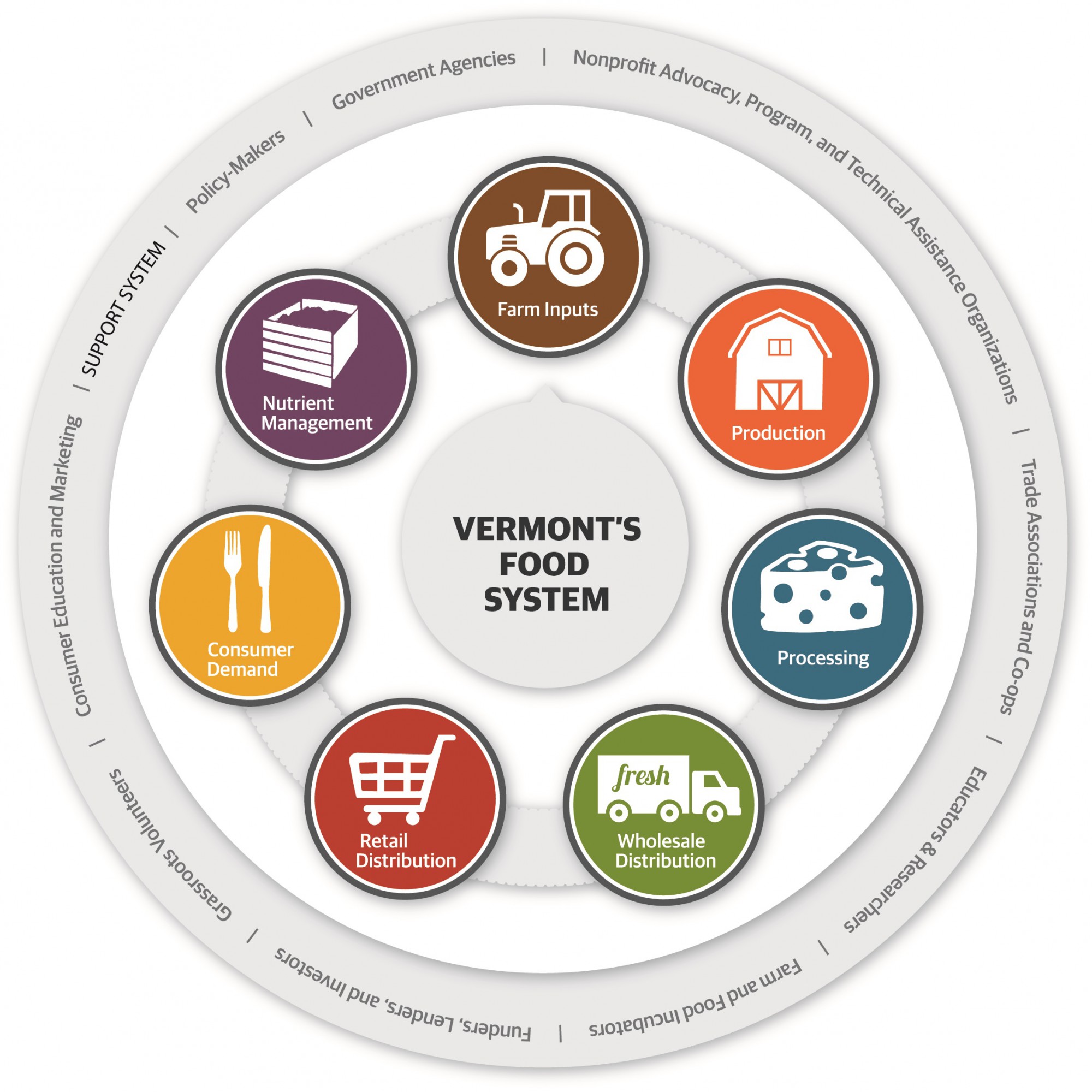
The food system plays a crucial role in maintaining ecosystem health and contributing to social well-being, in addition to satisfying basic human needs for food. However, modern food systems have created challenges for the environment and climate. Global food chains and market competition have turned agriculture into a sizeable economic sector, but this has also led to environmental degradation and climate impacts.
Agriculture is a significant contributor to environmental degradation, with 11% of all greenhouse gases emitted in the EU coming from this sector. The food system also drives biodiversity and habitat loss through land conversion, soil degradation, overfishing, water abstraction, and chemical and nutrient pollution. Furthermore, human health is directly dependent on the sustainability of the food system, with unhealthy diets, exposure to chemical residues in food and packaging, and contamination of drinking water being just a few examples of this critical link.
The intersection of food, environment, and climate change highlights the need for sustainable food systems that prioritize both human well-being and environmental health. By addressing the environmental impacts of agriculture and the food system, we can work towards creating a more resilient and sustainable food system that benefits both people and the planet.
A Call to Action: Transitioning to a Sustainable Food System
The current food system is unsustainable and unsustainable food systems also maintain ecosystem health and contribute to social well-being. Global food chains, market competition, industrial processes, and increased productivity have turned modern agriculture into a sizeable economic sector. However, this has also created challenges for the environment and climate. Agriculture is the source of 11% of all greenhouse gases emitted in the EU, and it remains a significant contributor to the emissions of harmful air pollutants.
The food system’s unsustainable nature has severe consequences for human health. Unhealthy diets, exposure to chemical residues in food and packaging, and contamination of drinking water are just some examples of this critical link. Furthermore, the food system’s unsustainable nature also affects the environment and climate. Land conversion, soil degradation, overfishing, water abstraction, and chemical and nutrient pollution are some of the key drivers of biodiversity and habitat loss.
The European Union must take a proactive approach to transition to a sustainable food system. This will require a fundamental shift in the way food is produced, processed, and consumed. Agriculture, fisheries, and the food system must be transformed to prioritize sustainability and environmental protection. This will not only help mitigate the climate crisis but also ensure a healthy and sustainable food supply for future generations.
What’s Next for Europe’s Food System?
As Europe’s food system continues to evolve, the need for sustainable practices becomes increasingly pressing. Modern food systems are complex networks of production, processing, manufacturing, supply, retail, services, and consumption, with agriculture being the main food production sector. However, this complexity has also created challenges for the environment and climate. The food system’s environmental impact is a major concern, with agriculture being a significant contributor to greenhouse gas emissions and harmful air pollutants.
The consequences of unsustainable food systems are far-reaching, affecting not only the environment but also human health. Human health is directly dependent on the sustainability of the food system, with unhealthy diets, exposure to chemical residues in food and packaging, and contamination of drinking water being just some examples of this critical link. The food system’s impact on biodiversity and habitat loss is also a pressing issue, with land conversion, soil degradation, overfishing, water abstraction, and chemical and nutrient pollution all taking a toll on ecosystems.
As Europe looks to the future, it’s clear that a transition to a more sustainable food system is necessary. By prioritizing sustainable practices and reducing the environmental impact of agriculture, the food system can not only help mitigate climate change but also promote social well-being and ecosystem health.