Europe’s Food System Under Fire for Environmental Damage. As the world grapples with the devastating effects of climate change, a critical examination of Europe’s food system has revealed a stark reality: the continent’s agricultural and food production practices are causing over one-fifth of all environmental and climate impacts. With the European food system being one of the region’s largest systems of production and consumption, the consequences of its unsustainable practices are far-reaching, threatening not only the environment but also the health and well-being of European citizens. As the European Environment Agency (EEA) continues to sound the alarm, a deeper look into the food system’s inner workings is long overdue.
Environmental Consequences of Europe’s Food System
The European food system plays a significant role in environmental degradation, with agriculture being the main contributor to the region’s environmental footprint. Agriculture accounts for 11% of all greenhouse gas emissions in the EU, with the sector remaining a significant source of harmful air pollutants such as ammonia. The food system’s impact on the environment is not limited to greenhouse gas emissions; it also affects biodiversity and habitat loss through land conversion, soil degradation, and chemical and nutrient pollution.
| Aspect | Details |
|---|---|
| Event | The food system is one of Europe’s major systems of production and consumption, causing over one-fifth of all environmental and climate impacts. |
| Date | 19 Mar 2026 |
| Location | Europe |
| Key People/Organizations involved | European Environment Agency (EEA) |
| Status/Current Situation | The food system is causing over one-fifth of all environmental and climate impacts. |
| Impact/Casualties | Over one-fifth of all environmental and climate impacts |
| Key Facts | Agriculture is the main food production sector, contributing 11% of all greenhouse gases emitted in the EU. |
| Key Facts | Agriculture is a significant contributor to the emissions of harmful air pollutants, such as ammonia. |
| Key Facts | Agriculture is the most significant pressure impacting both surface and groundwaters. |
| Key Facts | The food system is a key driver of biodiversity and habitat loss through land conversion, soil degradation, overfishing, water abstraction, and chemical and nutrient pollution. |
The food system’s contribution to environmental degradation is a pressing concern, with the sector’s activities putting pressure on both surface and groundwater resources. Agriculture is the most significant pressure impacting both surface and groundwaters, highlighting the need for sustainable practices in food production and consumption. The food system’s impact on the environment is closely linked to human health, with unhealthy diets, exposure to chemical residues in food and packaging, and contamination of drinking water posing significant risks to public health.
The environmental consequences of the European food system are far-reaching, with the sector’s activities affecting not only the environment but also human health and well-being. As the EU continues to grapple with the challenges posed by the food system’s environmental footprint, it is essential to adopt sustainable practices that prioritize environmental protection and human health.
Causes of Europe’s Food System’s Environmental Footprint
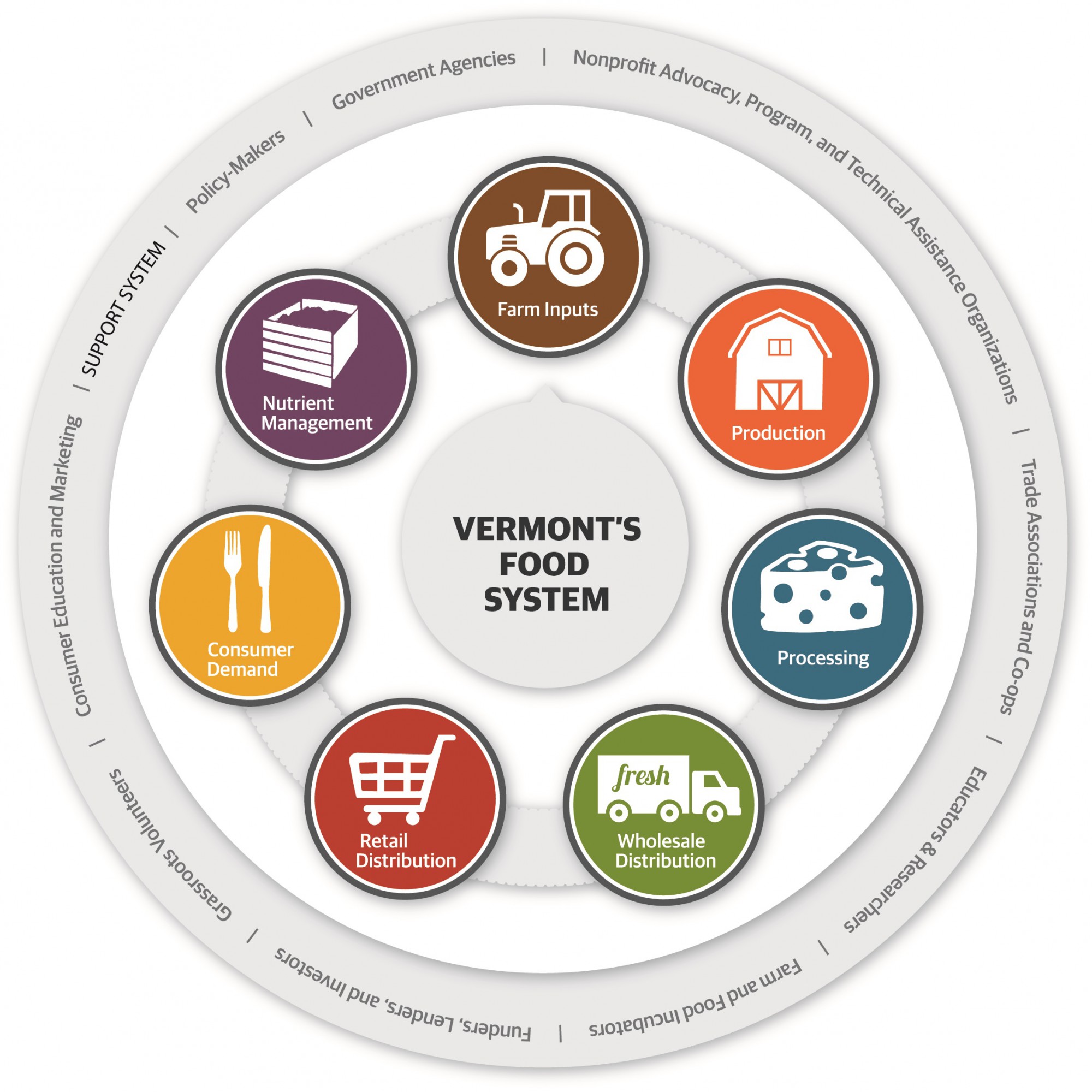
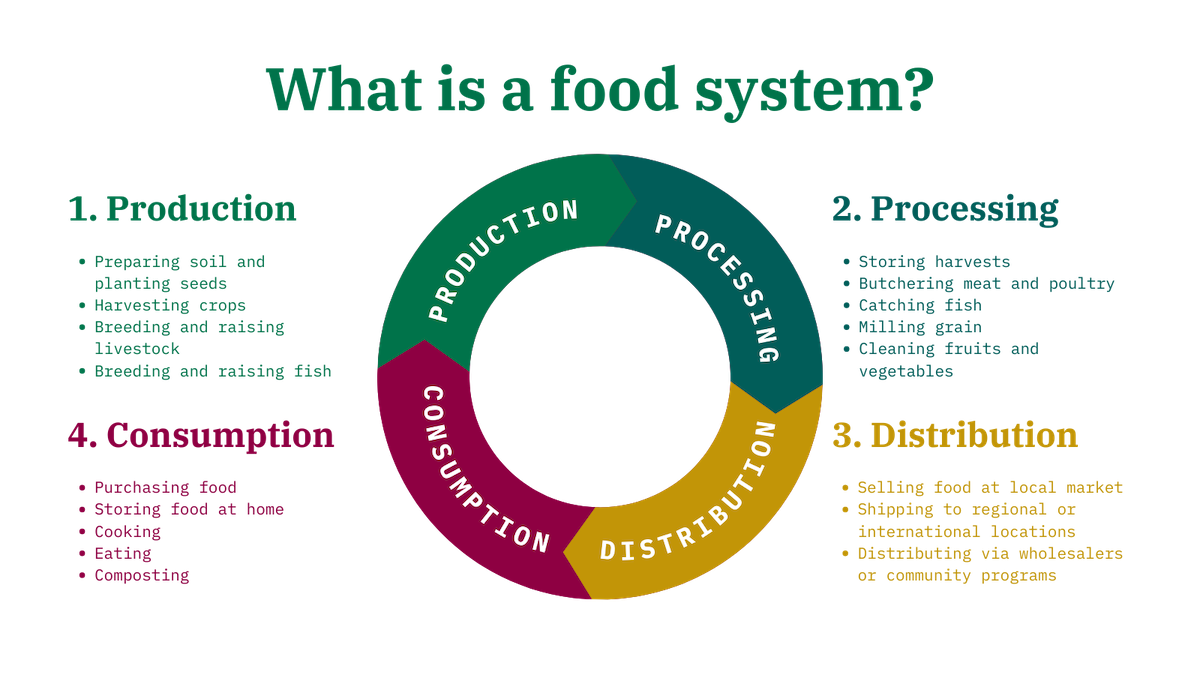
The European food system’s environmental footprint can be attributed to several key factors. Global food chains and market competition have driven the development of large-scale industrial agriculture, which has led to increased productivity but also significant environmental impacts. This includes the emission of greenhouse gases, a major contributor to climate change, with agriculture accounting for 11% of all greenhouse gases emitted in the EU. Additionally, industrial processes have resulted in the release of harmful air pollutants, such as ammonia.
The transportation of food products is another significant contributor to the food system’s environmental impact. Long-distance transportation of food from production sites to consumers has led to increased energy consumption and greenhouse gas emissions. Furthermore, the processing, packaging, and distribution of food products have also resulted in significant environmental impacts, including waste generation and resource depletion.
Consumption patterns also play a crucial role in shaping the food system’s environmental footprint. Unhealthy diets, which are often characterized by high meat consumption and resource-intensive food production, contribute to environmental degradation and climate change. In contrast, sustainable food production and consumption patterns, such as plant-based diets and locally sourced food, can help mitigate the environmental impacts of the food system.
European Union’s Response to the Food System’s Environmental Impact
The European Union has taken steps to address the environmental impact of its food system. As part of its European Green Deal, the EU aims to make its food system more sustainable by reducing greenhouse gas emissions and promoting eco-friendly agricultural practices. This initiative includes measures to increase the use of renewable energy in agriculture, improve soil health, and reduce synthetic fertilizer use.
The EU’s Farm to Fork Strategy is another key policy aimed at reducing the environmental footprint of the food system. This strategy focuses on promoting sustainable agriculture, reducing food waste, and improving the health of consumers. It also aims to increase the use of organic farming practices and reduce the use of pesticides.
In addition to these initiatives, the EU is also working to promote sustainable food consumption patterns. This includes encouraging consumers to adopt healthier diets and reducing food waste throughout the supply chain. By taking these steps, the EU hopes to make its food system more sustainable and reduce its environmental impact.
Sustainable Alternatives to Europe’s Food System
As the European food system grapples with its environmental impact, sustainable alternatives are emerging to transform the way food is produced and consumed. Vertical farming, a method of growing crops in vertically stacked layers, is becoming increasingly popular. This innovative approach allows for greater control over growing conditions, reducing the need for pesticides and fertilizers, and increasing crop yields. By leveraging technology and urban spaces, vertical farming has the potential to revolutionize the way we produce food, making it more sustainable and efficient.
Another significant trend is the rise of plant-based diets. As consumers become more aware of the environmental impact of their food choices, plant-based eating is gaining traction. With a growing variety of plant-based products available, consumers are increasingly opting for meat-free and dairy-free alternatives. This shift in consumption patterns not only reduces greenhouse gas emissions but also promotes sustainable agriculture practices. By promoting plant-based diets and sustainable food production methods, Europe can reduce its environmental footprint and create a more resilient food system.
Innovative approaches to food production and consumption are not only beneficial for the environment but also offer economic opportunities. Agroforestry, a practice that integrates trees into agricultural landscapes, is another example of a sustainable alternative gaining traction. By combining trees with crops and livestock, farmers can create more diverse and resilient ecosystems, improving soil health and biodiversity. As the European food system continues to evolve, these sustainable alternatives will play a crucial role in shaping a more environmentally friendly and resilient food system.
Public Perception and Awareness of the Food System’s Environmental Impact
Public perception and awareness of the food system’s environmental impact are crucial for driving change towards a more sustainable food system. Surveys and polls have shown that Europeans are increasingly concerned about the environmental impact of their food choices. A recent survey found that 70% of Europeans believe that the food system has a significant impact on the environment, and 45% of respondents said they would be more likely to choose sustainable food options if they were more affordable. This growing awareness is a positive sign, but it also highlights the need for education and awareness-raising efforts to inform consumers about the environmental impact of their food choices.
The European food system’s environmental impact is a complex issue, and consumers may not always be aware of the consequences of their food choices. Research has shown that consumers are more likely to choose sustainable food options if they have access to clear and accurate information about the environmental impact of different food products. However, many consumers are still unaware of the environmental impact of their food choices, and this lack of awareness can make it difficult for them to make informed decisions.
To address this issue, there is a need for increased awareness and education about the environmental impact of the food system. Public awareness campaigns, education programs, and labeling schemes can all play a role in raising awareness and promoting sustainable food choices. By increasing awareness and education, we can empower consumers to make more informed choices and drive change towards a more sustainable food system.
Way Forward: Implementing Sustainable Practices in Europe’s Food System
To transition to a more sustainable food system, Europe must take a multifaceted approach. Policy changes are crucial, starting with the development of more stringent regulations and incentives for sustainable agriculture practices. This could include the implementation of carbon pricing and agri-environmental measures that promote eco-friendly farming methods. Additionally, governments must invest in research and development to support the adoption of innovative technologies and practices that reduce the environmental impact of food production.
Consumer behavior shifts are also essential to a more sustainable food system. Changing consumption patterns, such as reducing meat consumption and adopting plant-based diets, can significantly reduce the environmental footprint of food production. Education and awareness campaigns can help consumers make informed choices about the food they buy and eat. Furthermore, labels and certifications that promote sustainable production methods can help consumers identify environmentally friendly options.
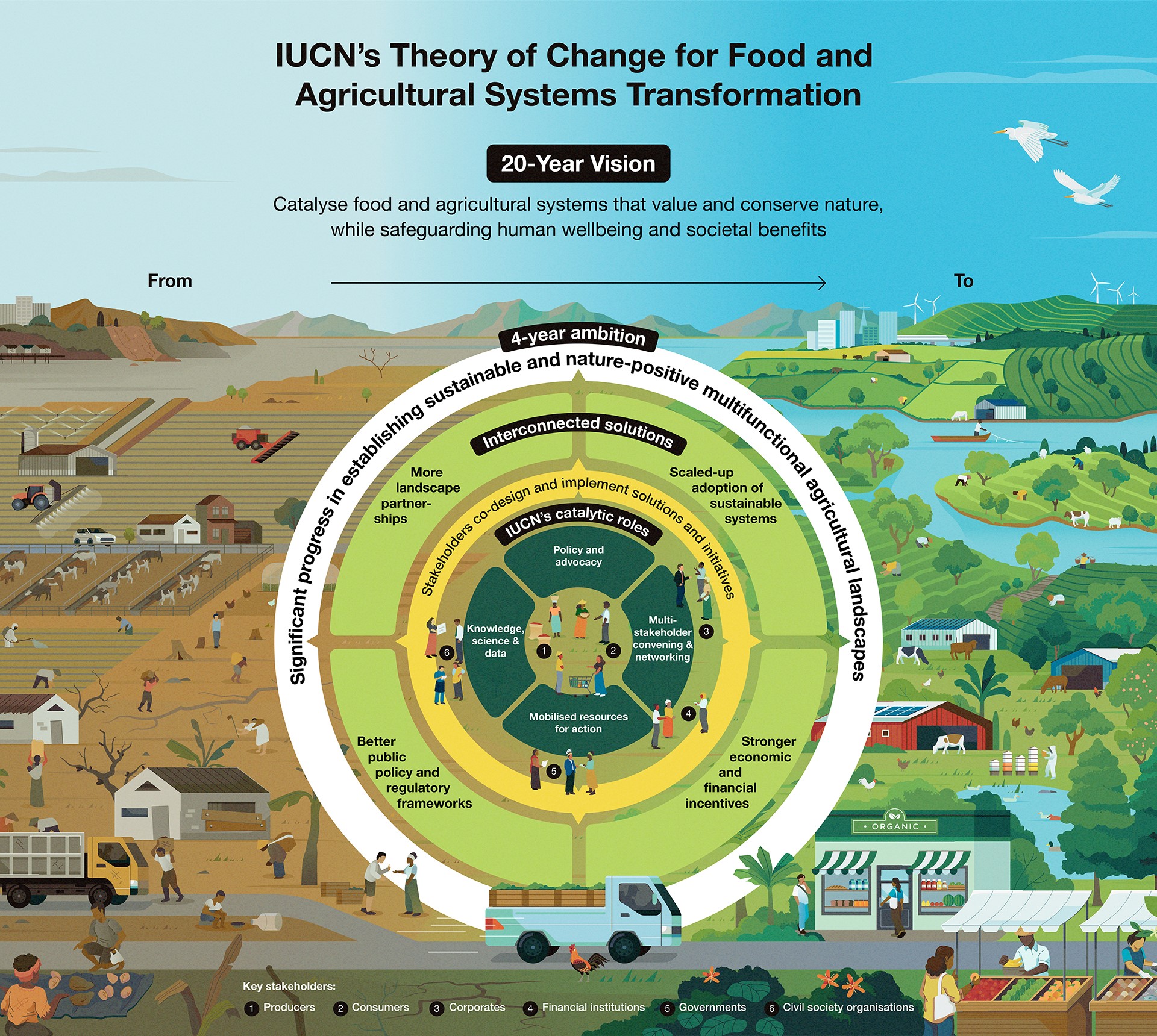
A collaborative effort between governments, businesses, and consumers is necessary to create a more sustainable food system. Stakeholder engagement and cooperation can help identify and address the complex challenges facing the food system. By working together, Europe can create a more sustainable food system that not only reduces its environmental impact but also promotes social well-being and economic prosperity.