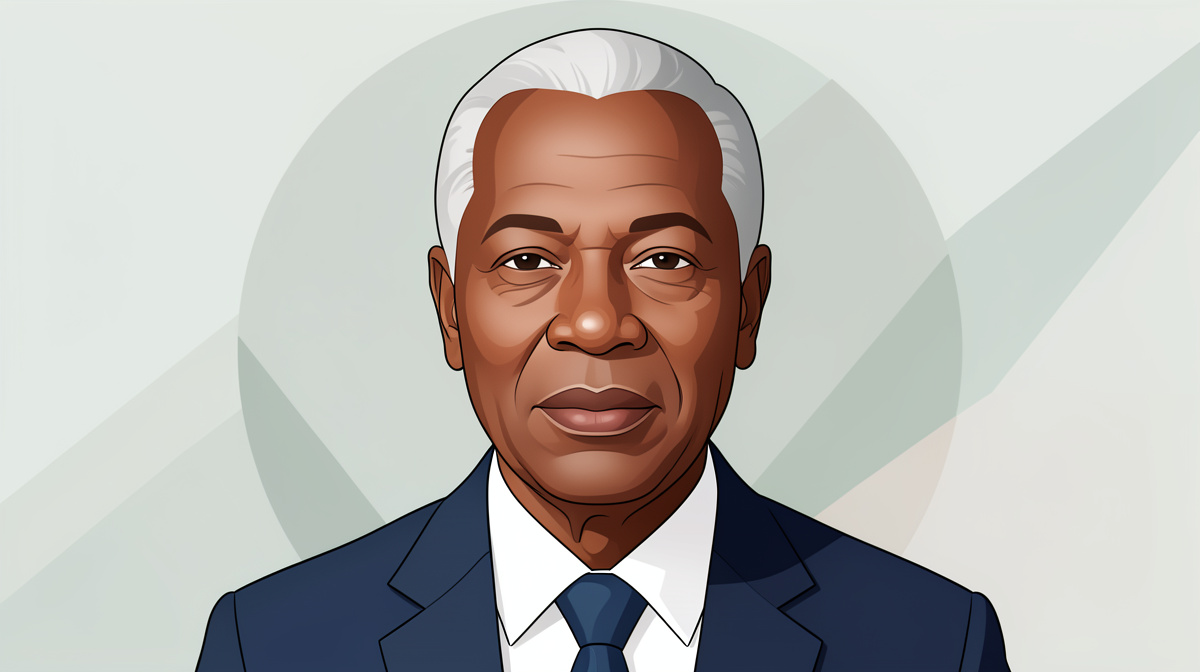
Oliver Tambo was a renowned South African politician and anti-apartheid activist who left an indelible mark on the country’s history. Born on October 27, 1917, Tambo dedicated his life to the fight against apartheid, a system of institutionalized racial segregation and discrimination that plagued South Africa for decades. As the President of the African National Congress (ANC) from 1967 to 1991, Tambo played a pivotal role in the struggle for equality and freedom. His unwavering commitment to the cause earned him international recognition and respect, cementing his legacy as a champion of justice and human rights.
Early Years and Education
Tambo’s education began at the local mission school in Bizana, where he developed a strong foundation in mathematics and science. He later attended Fort Hare University, a prestigious institution for black South Africans, where he studied law and became involved in student politics. It was during this time that Tambo began to develop his skills as a leader and a thinker, laying the groundwork for his future activism.
Tambo’s exposure to the works of prominent thinkers, such as Mahatma Gandhi and Marcus Garvey, also had a significant impact on his early life and worldview. These influences, combined with his experiences growing up in a rural community, helped shape Tambo’s commitment to fighting for the rights and freedoms of all South Africans.
Rise to Leadership in the ANC
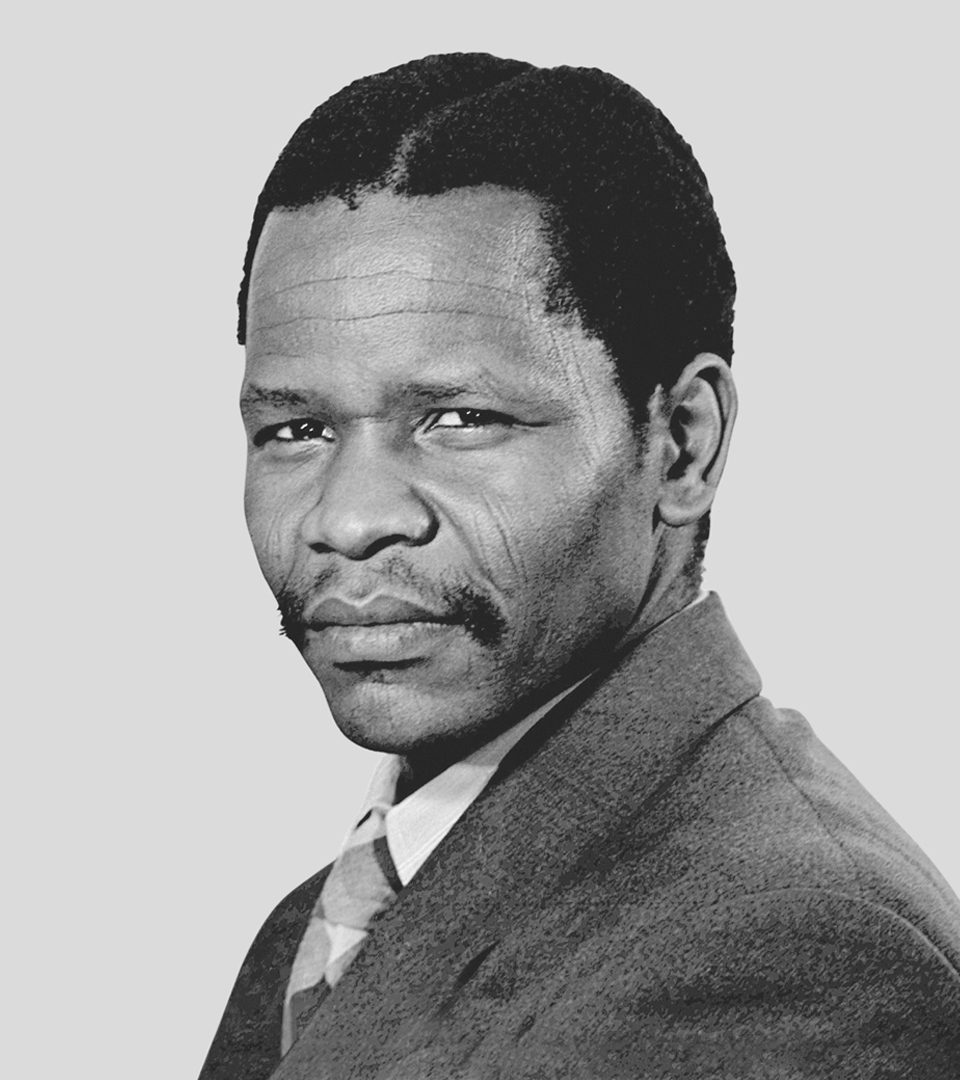
Oliver Tambo’s involvement with the African National Congress (ANC) began in the 1940s, when he joined the organization as a young man. He quickly rose through the ranks, becoming a key figure in the ANC’s fight against apartheid. In 1959, Tambo was arrested and charged with treason, along with other ANC leaders, but he managed to escape to Mozambique in 1960.
From Mozambique, Tambo continued to play a crucial role in the ANC’s leadership, working closely with other key figures such as Nelson Mandela and Walter Sisulu. In 1967, he was elected as the President of the ANC, a position he held until 1991. As President, Tambo played a key role in mobilizing international support for the ANC’s fight against apartheid, and he worked tirelessly to build alliances with other anti-apartheid organizations.
Tambo’s presidency of the ANC was marked by significant challenges, including the banning of the organization in South Africa and the imprisonment of many of its leaders, including Mandela. Despite these challenges, Tambo remained a powerful and influential figure in the ANC, and he continued to play a key role in the organization’s fight against apartheid until his death in 1993. Tambo’s leadership helped to galvanize the international community in support of the ANC’s cause, and his efforts played a significant role in the eventual transition to democracy in South Africa.
President of the African National Congress (1967-1991)

As President of the African National Congress (ANC) from 1967 to 1991, Oliver Tambo played a pivotal role in shaping the organization’s stance against apartheid. During his tenure, Tambo was instrumental in galvanizing international support for the ANC’s cause, leveraging his diplomatic skills to build alliances with various governments and organizations. This effort culminated in the ANC’s recognition as a legitimate representative of the South African people, paving the way for the eventual dismantling of the apartheid regime.
| Biography Aspect | Details |
|---|---|
| Full Name | Oliver Reginald Kaizana Tambo |
| Date of Birth | 27 October 1917 |
| Age | 75 years |
| Place of Birth | Bizana, Eastern Cape, South Africa |
| Nationality | South African |
| Occupation | Anti-apartheid politician, activist |
| Spouse | Adelaide Tambo |
| Children | 3 children |
| Education | Lovedale College, Fort Hare University |
| Notable Works / Achievements | President of the African National Congress (ANC) from 1967 to 1991 |
| Date of Death | 24 April 1993 |
Tambo’s leadership was marked by a commitment to non-violent resistance, as exemplified by the ANC’s adoption of the Strategy and Tactics Document in 1969. This document outlined a comprehensive approach to challenging apartheid, emphasizing the importance of mobilizing international opinion and building a united front against the regime. Under Tambo’s guidance, the ANC also strengthened its internal structures, establishing a more robust and inclusive leadership that would ultimately help to bring about a transition to democracy in South Africa.
Throughout his presidency, Tambo faced numerous challenges, including the brutal suppression of anti-apartheid activists and the imposition of harsh penalties on those who dared to challenge the regime. Despite these obstacles, Tambo remained resolute in his commitment to the ANC’s cause, continuing to advocate for the rights and freedoms of the South African people until his eventual retirement in 1991.
Exile and International Diplomacy
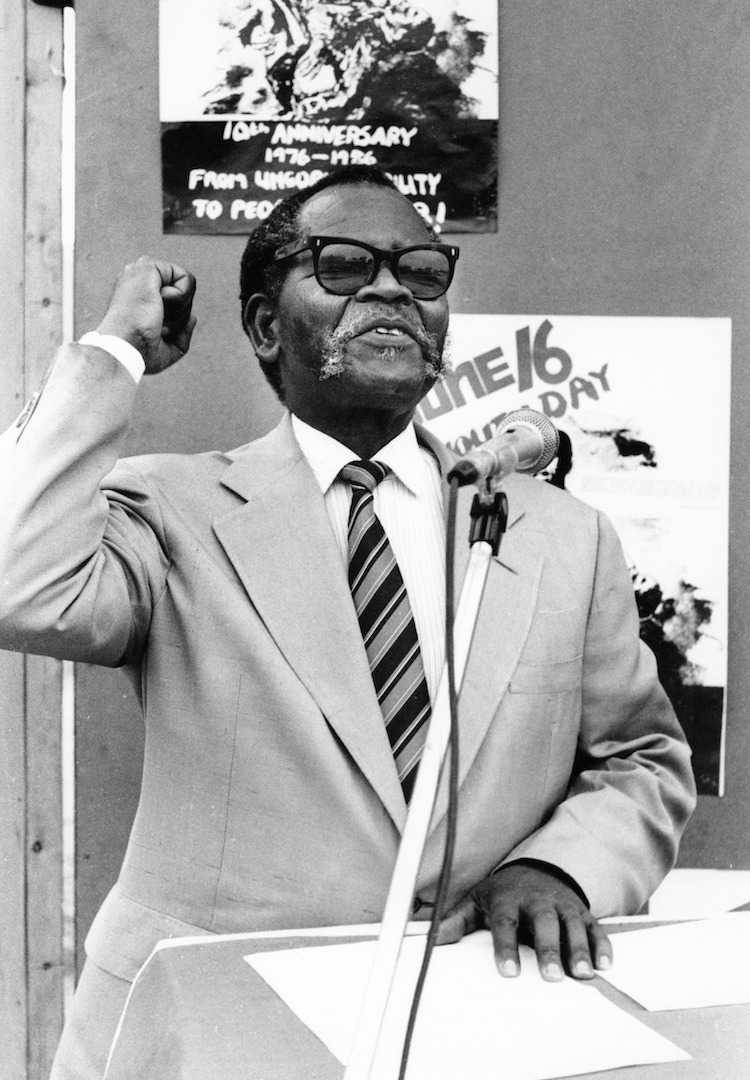
In 1960, Oliver Tambo was forced to flee South Africa after the Sharpeville massacre, marking the beginning of his long and arduous exile. He traveled extensively throughout Africa, Asia, and Europe, utilizing his charisma and oratory skills to mobilize international support for the anti-apartheid movement. Tambo’s efforts led to the establishment of the ANC’s foreign missions, with offices in London, Paris, and other major cities.
As President of the ANC, Tambo maintained close relationships with prominent international leaders, including Fidel Castro of Cuba and Mao Zedong of China. He also forged alliances with other anti-apartheid organizations, such as the Pan African Congress and the South African Communist Party. Tambo’s international diplomacy efforts were instrumental in securing economic sanctions against South Africa and galvanizing global opposition to the apartheid regime.
Tambo’s commitment to international solidarity was unwavering, even in the face of personal hardship and isolation. Despite being separated from his family for many years, he remained a steadfast advocate for the rights of the South African people. Through his tireless efforts, Tambo played a crucial role in shaping the global response to apartheid, ultimately contributing to the eventual collapse of the regime and the birth of a democratic South Africa.
Legacy and Impact on South African History
Oliver Tambo’s lasting impact on South African politics is a testament to his unwavering dedication to the fight against apartheid. As the President of the African National Congress (ANC) from 1967 to 1991, Tambo played a pivotal role in shaping the country’s transition to democracy. The ANC, under Tambo’s leadership, became a symbol of resistance against the apartheid regime, mobilizing international support and pressure on the South African government to reform.
Tambo’s efforts were instrumental in laying the groundwork for the country’s eventual transition to democracy. The ANC’s armed wing, Umkhonto we Sizwe, was revitalized during his presidency, and the organization’s international connections were strengthened. This helped to galvanize global opposition to apartheid, paving the way for the eventual collapse of the regime. Tambo’s leadership also helped to bridge the gap between the ANC and other anti-apartheid groups, fostering a united front against the government.
Tambo’s legacy as a champion of human rights continues to inspire generations of South Africans. He was a vocal advocate for the rights of marginalized communities, and his commitment to non-racialism helped to shape the country’s post-apartheid identity. Today, Tambo is remembered as a hero of the anti-apartheid movement, and his contributions to South African history are celebrated as a testament to the power of courage and determination in the face of adversity.
Personal Life and Relationships
Oliver Tambo married Adelaide Tambo, a fellow anti-apartheid activist, in 1946. The couple remained together until Oliver’s passing in 1993. Adelaide played an important role in Oliver’s life, often accompanying him on his international travels and supporting his work in the anti-apartheid movement.
Oliver Tambo’s relationships with other notable figures were also significant. He was close friends with Nelson Mandela, and the two leaders often collaborated on their fight against apartheid. Tambo also maintained strong ties with other prominent anti-apartheid activists, including Walter Sisulu and Govan Mbeki. These relationships helped to strengthen the African National Congress’s (ANC) international connections and amplify its message.
In his personal life, Oliver Tambo achieved notable recognition for his contributions to the arts. He was a talented musician and painter, and his creative works often reflected his experiences as an anti-apartheid activist. Tambo was particularly skilled in playing the piano and was known to have been a talented pianist. His artistic talents served as a source of comfort and inspiration during his time in exile.
Net Worth and Later Life
Oliver Tambo’s later life was marked by his continued efforts to mobilize international support for the anti-apartheid movement. Despite his advanced age, Tambo remained a key figure in the African National Congress’s (ANC) efforts to end apartheid in South Africa. He continued to travel the world, meeting with world leaders and advocating for the ANC’s cause.
In his later years, Tambo’s health began to decline, but he remained committed to his work. He passed away on 24 April 1993, at the age of 75. At the time of his death, Tambo’s net worth was not publicly disclosed, but his legacy as a champion of human rights and a key figure in the fight against apartheid continues to be celebrated.