A groundbreaking shift in the field of soil science is poised to revolutionize our understanding of the Earth and its place in the universe. Researchers have proposed a bold new definition of soil, one that could see snowpacks and icy surfaces on our planet, as well as frozen surfaces on distant moons and dwarf planets, classified as soil. This seismic change in the way we think about soil has significant implications for farming, food production, and environmental conservation. With the global community of soil scientists and researchers rallying behind this new definition, the world is on the cusp of a profound new understanding of the intricate relationships between soil, water, and the Earth’s ecosystems.
Rethinking Soil: Scientists Expand Definition to Include Icy Materials
Scientists are urging a broader definition of soil that encompasses a wider range of materials beyond traditional soil. This expanded view could greatly expand soil research on Earth and beyond. Dr. Aaron Lee M. Daigh, an associate professor at the University of Nebraska–Lincoln, suggests that soil should be defined by its ability to support life, rather than just its physical properties. Soil science has enormous, untapped potential, he says, noting that traditional definitions may be too narrow for modern discoveries.
| Aspect | Details |
|---|---|
| Event | New Soil Science Ideas Change Farming and Space Research |
| Date | April 16, 2026 |
| Location | University of Nebraska–Lincoln |
| Key People/Organizations involved | Dr. Aaron Lee M. Daigh, University of Nebraska–Lincoln |
| Status/Current Situation | Broader scientific view proposed |
| Key Proposal | Soil definition expanded to include icy materials on Earth, moons, and dwarf planets |
| Research Focus | Soil depth defined by how degraded, not fixed depth |
| Expertise | Dr. Daigh is a soil physicist and vadose zone hydrologist |
According to Dr. Daigh, even fresh volcanic ash or newly deposited river sediments can be considered soil, even before plants or animals appear. This perspective challenges the traditional view of soil as a fixed, static entity. Instead, it highlights the dynamic and adaptive nature of soil, which can change over time through processes such as weathering and erosion. By embracing this broader definition, scientists can gain a more nuanced understanding of the complex processes that shape soil on our planet.
The new definition of soil also has implications for how we think about soil depth. Instead of choosing a fixed depth, such as a few feet, soil should be defined by how deeply it can support life. This approach recognizes that soil can be present in a variety of forms, from shallow surface layers to deeper, more complex systems. By adopting this more inclusive definition, scientists can expand their research to encompass a wider range of soil types and environments, from the frozen tundras of the Arctic to the icy surfaces of distant planets.
Icy Surfaces on Earth and Space: A New Frontier for Soil Science
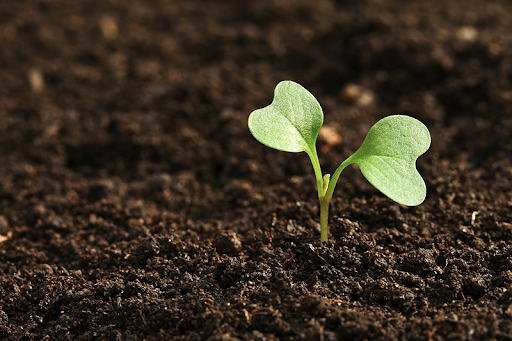
Icy surfaces on Earth and space are being redefined in the field of soil science. Traditionally, soil has been viewed as a mixture of mineral and organic particles, but researchers are now considering a broader definition. Soil can be defined as any material that has the ability to support plant growth, even if it’s not yet inhabited by plants or animals. This new perspective could greatly expand the scope of soil research on our planet and beyond.
One key aspect of this new definition is the inclusion of icy materials. Fresh volcanic ash or newly deposited river sediments can be considered soil, even before they’ve been colonized by microorganisms or plants. This is a significant shift from the traditional view of soil as a static entity. By redefining soil in this way, scientists can gain a deeper understanding of the complex processes that shape our planet’s surface.
This broader definition of soil also has implications for how we think about soil depth. Instead of choosing a fixed depth, such as a few feet, soil should be defined by how deeply it can support plant growth. This approach could allow researchers to study soil in a more nuanced and comprehensive way, taking into account the complex interactions between soil, water, and organisms.
Farming and Agriculture: How the New Definition of Soil Matters
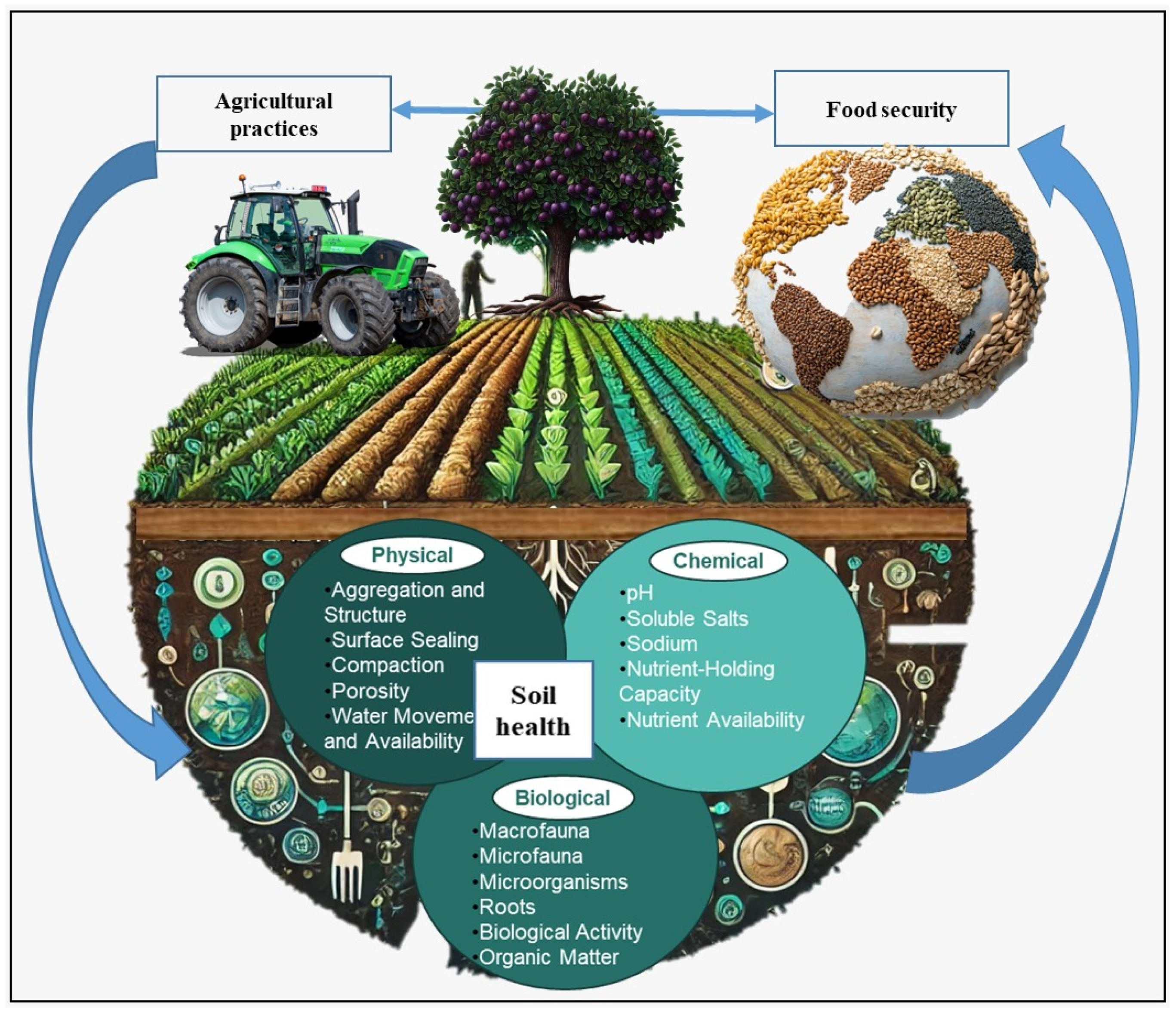
The traditional definition of soil has been a cornerstone of agriculture, but a broader understanding of its importance is changing the way farmers approach their work. Soil is no longer seen as just a medium for plant growth, but as a complex ecosystem that supports a wide range of plant and animal life. This shift in perspective is having a significant impact on farming practices, with many farmers now focusing on building healthy soil through sustainable methods.
The Benefits of a Broader Definition
By recognizing the importance of soil as a living ecosystem, farmers can take a more holistic approach to their work. This includes using practices such as crop rotation, cover cropping, and reducing tillage to promote soil health. By doing so, farmers can improve soil fertility, reduce erosion, and increase crop yields. Soil’s role in supporting plant and animal life is not limited to Earth’s fields, but also extends to other planets and celestial bodies. This realization has the potential to revolutionize our understanding of soil’s importance in the universe.
Space Research: Expanding Our Understanding of Planetary Soils
Scientists are urging a broader definition of soil to encompass not just Earth’s fields, but also icy surfaces and snowpacks. Dr. Aaron Lee M. Daigh, a soil physicist and vadose zone hydrologist, suggests that traditional definitions may be too narrow for modern discoveries. This expanded view could greatly expand soil research on Earth and beyond. Soil is no longer just a terrestrial entity, but a planetary phenomenon that deserves a more comprehensive understanding.
New research proposes that soil should be defined by its characteristics, rather than its composition or depth. Soil depth, for instance, should be defined by how deeply water can penetrate, rather than a fixed measurement. This shift in perspective could lead to a more nuanced understanding of soil’s role in shaping planetary environments. Even fresh volcanic ash or newly deposited river sediments can be considered soil, even before plants or animals appear.
This expanded definition of soil has significant implications for planetary research. By recognizing soil as a fundamental component of planetary systems, scientists can gain a deeper understanding of the complex interactions between soil, water, and ice on other planets and moons. The study of soil on other planets and moons can provide valuable insights into the geological and environmental history of these celestial bodies.
Future Directions: How the New Definition of Soil Will Shape Research
Scientists are urging a broader definition of soil to encompass a wider range of environments, from Earth’s fields to icy worlds. This shift in perspective could greatly expand soil research, allowing scientists to explore new frontiers and gain a deeper understanding of the complex processes that shape our planet. By redefining soil, researchers can better comprehend the intricate relationships between soil, water, and the environment.
The new definition of soil could include icy materials, such as snowpacks and frozen soil, which were previously excluded from traditional soil definitions. This expansion would allow scientists to study the unique properties of these materials and their role in the Earth’s ecosystem. Furthermore, the definition of soil depth is also being reevaluated, with some researchers proposing that soil should be defined by its ability to support plant growth, rather than a fixed depth.
The implications of this broader definition of soil are far-reaching, with potential applications in planetary research and our understanding of the Earth’s environment. By expanding our definition of soil, scientists can gain new insights into the complex processes that shape our planet and the universe beyond. This shift in perspective could lead to breakthroughs in fields such as Earth science and planetary research, opening up new avenues for exploration and discovery.