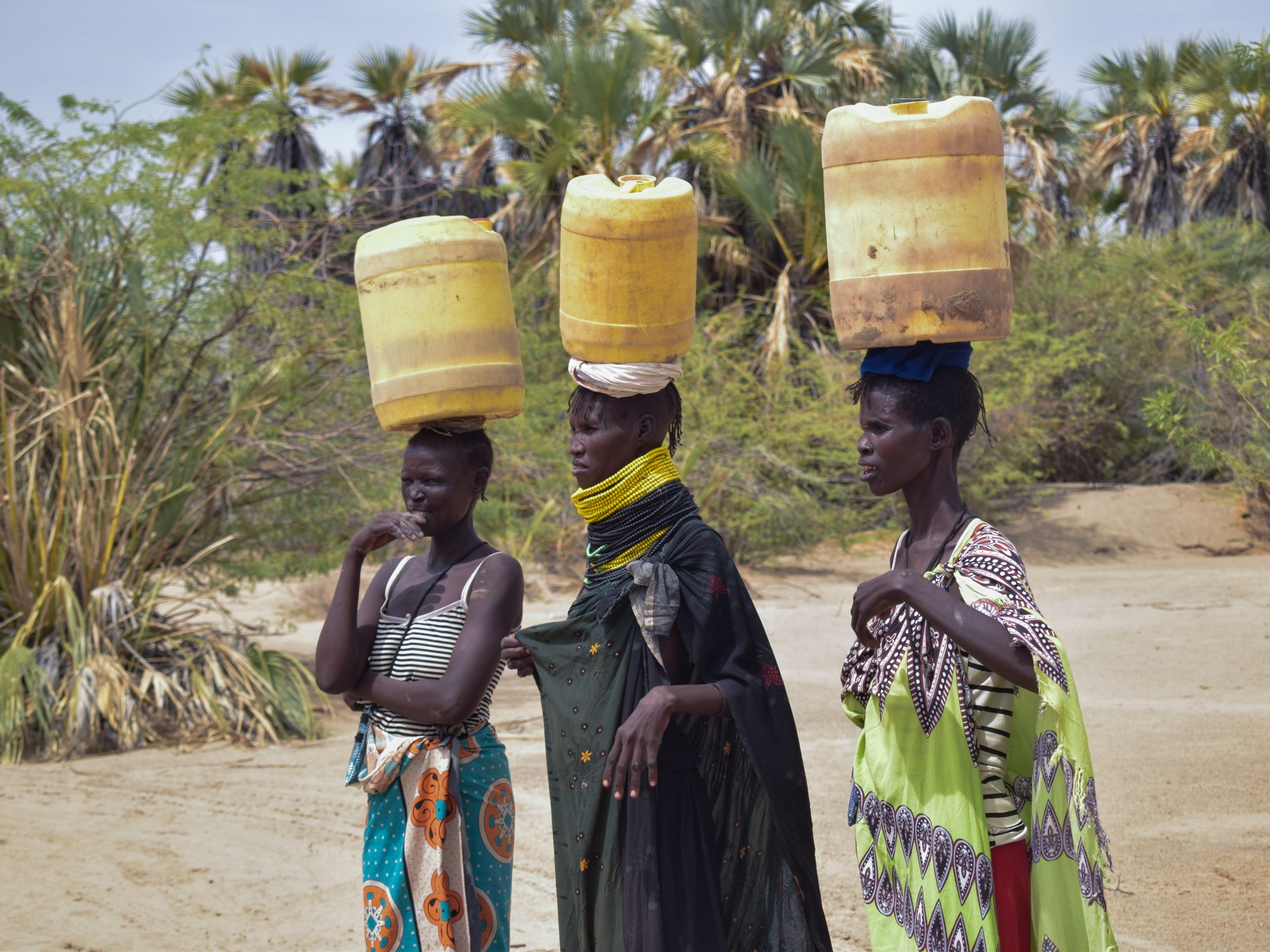
Kenya’s Food Security Crisis Deepens: A severe drought has gripped the Turkana region in northern Kenya, leaving over 3 million people facing hunger. The situation is starkly juxtaposed with the country’s overall food surplus, with up to 40% of produced food lost or wasted annually. The drought has ravaged the region, with Veronica Akalapatan and her neighbours forced to walk kilometres daily to a half-dried-up well, the only source of water in the area. This dire situation has been unfolding in Turkana county, where the harsh climate has taken a devastating toll on the local population and their livestock.
Turkana’s Desperate Plea Amid Drought
| Event | Drought plagues Kenya’s Turkana |
| Location | Turkana county, Kenya |
| Key People/Organizations involved | Veronica Akalapatan |
| Status/Current Situation | Drought, severe food shortages |
| Impact/Casualties | 3.4 million people without enough to eat, 800,000 children show signs of malnutrition |
| Official Response | Authorities warn of drought, no specific response mentioned |
| Other Relevant Details | 40% of food produced in Kenya is lost or wasted each year |
| Affected Counties | 23 of Kenya’s 47 counties |
| Population Affected | 3 million people facing hunger in Turkana |
Turkana’s Desperate Plea Amid Drought
In the rugged landscape of Turkana county, residents are struggling to survive as the drought worsens. Veronica Akalapatan and her neighbours walk kilometres each day to a half-dried-up well, where hundreds of people and their livestock share the limited water. The well, a wooden ladder and a dug-out hole in the ground, is the only source of water in the area. Akalapatan describes the scene, “Once we get here, we dig for water in the well and collect fruit. We wait for the water to fill the well, then we take turns to fetch it because there is so little.”
The drought has left 1.1 million people in Turkana without access to basic necessities. The county’s rugged terrain and scattered villages make it difficult for aid to reach those in need. Despite it being the rainy season, weather experts warn that Turkana and other arid regions may receive little relief. The drought has also taken a toll on the local economy, with 800,000 children showing signs of malnutrition and livestock dying at an alarming rate.
As the drought continues to plague Turkana, residents are left wondering how they will survive. Akalapatan’s situation is a stark reminder of the desperate conditions faced by many in the county. The drought has highlighted the need for urgent action to address the food shortages and ensure the well-being of those affected.
Understanding the Drought: Causes and Consequences

The drought affecting Kenya’s Turkana region is a stark contrast to the surplus of food in other parts of the country. The area’s rugged terrain and scattered villages make it difficult for residents to access basic necessities, including clean water. Veronica Akalapatan’s daily trek to a half-dried-up well is a testament to the harsh realities faced by those living in Turkana. The well, shared by hundreds of people and their livestock, is the only source of water in the area, leading to long wait times and disputes over the limited supply.
Climate Change and Food Security
The drought in Turkana is not a new phenomenon, but its severity and frequency are alarming. Despite being the rainy season, weather experts warn that Turkana and other arid regions may receive little relief. This has severe consequences for the region’s food security. With an estimated 3.4 million people lacking access to sufficient food, and over 800,000 children showing signs of malnutrition, the situation is dire. The loss of livestock, which is the backbone of pastoral life, further exacerbates the problem.
The Impact on Kenya’s Agricultural Sector
The drought in Turkana highlights the vulnerabilities of Kenya’s agricultural sector. The country’s food waste, which will be discussed in a separate section, is a stark contrast to the food shortages faced by those in Turkana. The drought’s impact on the region’s economy and the livelihoods of its residents is a pressing concern that requires immediate attention. As the situation in Turkana continues to deteriorate, it is essential to understand the underlying causes and consequences of the drought to find effective solutions to address the crisis.
The Alarming Truth: Food Waste in Kenya

Despite facing severe food shortages in Turkana, Kenya, the country as a whole is experiencing a surplus of food. This stark contrast highlights the alarming truth of food waste in Kenya. According to estimates, 3.4 million people do not have enough to eat, and 800,000 children show signs of malnutrition. Meanwhile, a significant portion of the country’s food production is being wasted, exacerbating the issue of food insecurity.
The issue of food waste is further complicated by the fact that Kenya’s agricultural sector is a significant contributor to the country’s economy. However, the sector is struggling to meet the needs of the population, particularly in areas like Turkana where drought has taken a devastating toll. The drought has left villages scattered across vast distances in a county of just over a million people, with hundreds of people from several villages sharing a single well.
The consequences of food waste are far-reaching, and it is imperative that the government and other stakeholders take immediate action to address the issue. By understanding the root causes of food waste and implementing effective strategies to reduce it, Kenya can work towards ensuring that its agricultural sector is more productive and efficient, ultimately leading to improved food security for its citizens.
Government Response to Turkana’s Drought and Food Waste
The Kenyan government has acknowledged the severe drought affecting Turkana county, with 23 of Kenya’s 47 counties affected. In response, authorities have initiated measures to address the crisis. However, the effectiveness of these efforts remains unclear, particularly in Turkana, where 3.4 million people do not have enough to eat.
The government’s response has been criticized for not adequately addressing the root causes of food insecurity in the region. An estimated 800,000 children show signs of malnutrition, highlighting the urgent need for a comprehensive solution. In Turkana, the situation is dire, with residents forced to travel long distances to access water, often waiting hours to fill up small plastic buckets with unclean water.
The government’s agricultural sector has been called upon to play a crucial role in addressing the drought and food shortages. However, the sector’s capacity to respond effectively remains uncertain, particularly in the face of Kenya’s growing population, which puts additional pressure on the country’s food resources.
A Way Forward: Strategies for Food Security in Kenya
A Way Forward: Strategies for Food Security in Kenya
To address the food shortages in Turkana, experts recommend adopting sustainable agricultural practices that can withstand the harsh climate conditions. Irrigation systems and drought-resistant crops are crucial in ensuring a steady food supply. Additionally, soil conservation techniques such as terracing and mulching can help retain moisture and reduce soil erosion.
In Kenya’s agricultural sector, there is a need to promote agroforestry and perennial crops that require less water and can thrive in arid conditions. This approach not only increases food production but also helps to maintain soil health and biodiversity. Furthermore, community-led initiatives that focus on food preservation and storage can help reduce post-harvest losses and ensure that food reaches those who need it most.
To achieve food security in Kenya, it is essential to invest in irrigation infrastructure and water harvesting systems. This can be done through public-private partnerships and community-led projects. By adopting these strategies, Kenya can reduce its reliance on rain-fed agriculture and ensure a stable food supply, even in the face of droughts and other climate-related challenges.
Source: Al Jazeera