
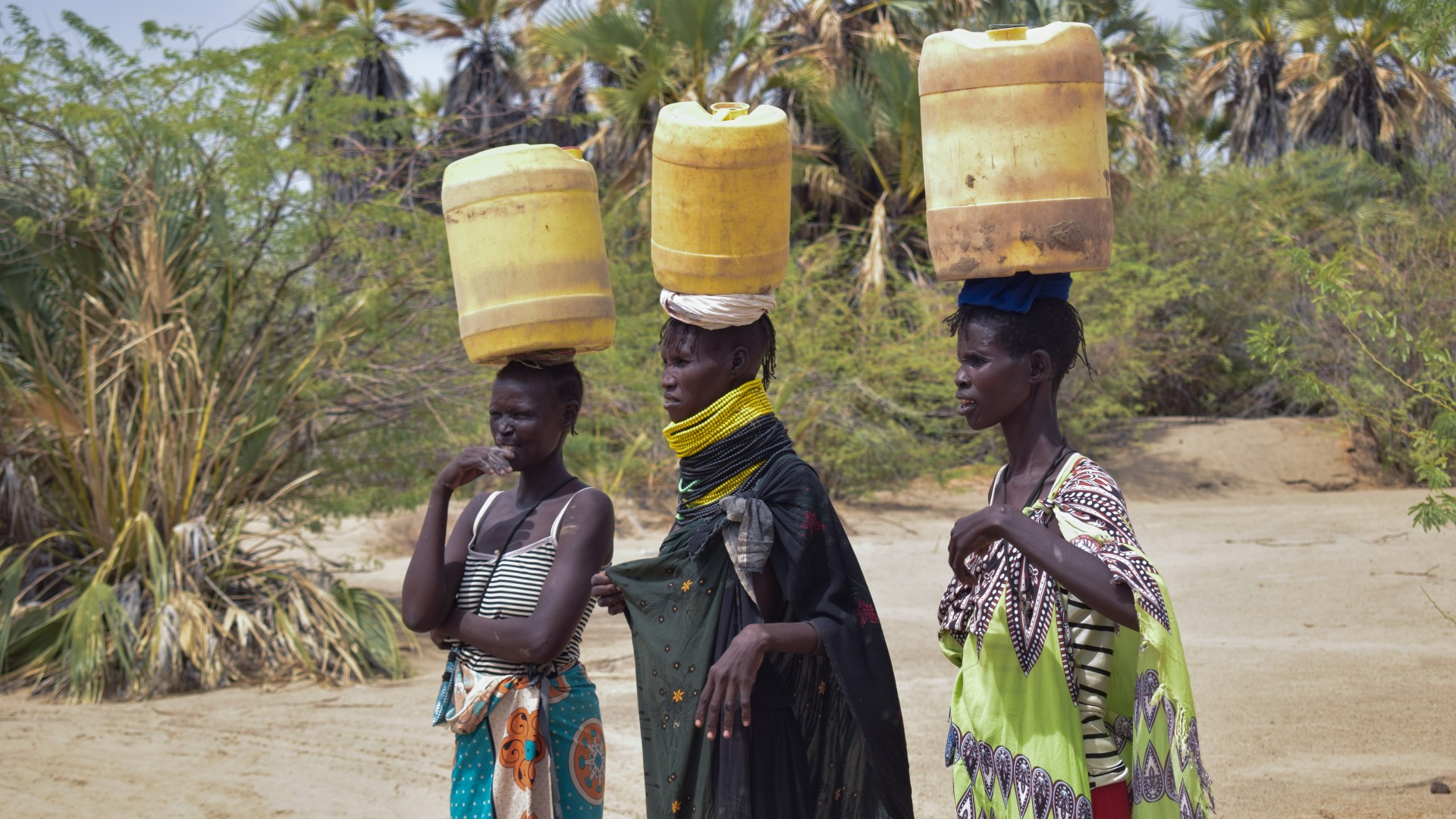
Severe Food Shortages and Drought Wreak Havoc in Kenya’s Turkana Region. A devastating combination of drought and food shortages is gripping Kenya’s Turkana region, leaving hundreds of thousands of people struggling to survive. More than 3 million people are facing hunger in the area, with the situation exacerbated by the loss of up to 40% of the food produced each year. The drought, which has been affecting a quarter of Kenya’s population, has dried up wells and left communities relying on scarce and unclean water sources. The crisis is unfolding in Turkana county, where residents are forced to walk long distances to access water, highlighting the urgent need for relief and support.
Drought Devastation in Turkana: A Quarter of Kenya’s Population Faces Severe Food Shortages
| Event | Drought plagues Kenya’s Turkana |
| Date | Ongoing (no specific date mentioned) |
| Location | Turkana county, Kenya |
| Key People/Organizations involved | Veronica Akalapatan |
| Status/Current Situation | Severe food shortages, drought |
| Impact/Casualties | 3.4 million people without enough to eat, 800,000 children show signs of malnutrition |
| Location Affected | 23 of Kenya’s 47 counties |
| Official Response | Authorities warn of drought, no specific response mentioned |
| Duration | Ongoing, despite being rainy season |
| Population Affected | 3 million people facing hunger in Turkana |
In the Turkana region of northern Kenya, the effects of drought are dire. Veronica Akalapatan and her neighbors walk several kilometers each day to a half-dried-up well, the only source of water in the area. Hundreds of people from several villages, along with their livestock, share the well, waiting hours to fill up small plastic buckets with meager amounts of unclean water. The situation is exacerbated by the fact that the land is rugged, roads disappear into dust, and villages are scattered across vast distances in a county of just over a million people.
Food Shortages and Malnutrition on the Rise
The drought has resulted in severe food shortages, with 3.4 million people in Kenya not having enough to eat. Furthermore, 800,000 children show signs of malnutrition, highlighting the devastating impact of the drought on the most vulnerable members of society. The situation is particularly dire in Turkana, where the lack of food and water is taking a toll on the local population. The county’s economy, which relies heavily on livestock, is also suffering as livestock are dying due to the drought.
The Alarming Rate of Food Waste in Kenya: Up to 40% of Produced Food is Lost or Wasted Each Year

The Alarming Rate of Food Waste in Kenya: Up to 40% of Produced Food is Lost or Wasted Each Year
In Kenya, a staggering amount of food is being lost or wasted, exacerbating the country’s food security crisis. According to recent estimates, up to 40% of the food produced in Kenya is wasted each year. This alarming rate of food waste has severe consequences, particularly in regions like Turkana where drought has taken a devastating toll on the population. The sheer volume of wasted food is a stark contrast to the dire food shortages faced by millions of Kenyans.
The issue of food waste in Kenya is deeply linked to the country’s agricultural practices and supply chain inefficiencies. A significant portion of the wasted food is due to poor storage, transportation, and handling practices. Furthermore, a lack of infrastructure and inadequate market access also contribute to the high rates of food waste. As Kenya grapples with the challenges of food security, addressing the issue of food waste is crucial to ensuring that the country’s agricultural sector is optimized to meet the needs of its population.
The consequences of food waste are far-reaching, with 3.4 million people in Kenya facing food shortages. In regions like Turkana, the impact is particularly acute, with drought and limited access to clean water exacerbating the situation. As the country navigates the complexities of food security, understanding the role of food waste is essential to developing effective solutions that prioritize the needs of Kenyans.
Climate Change and Drought: A Global Issue with Local Consequences

Climate Change and Drought: A Global Issue with Local Consequences
The drought plaguing Kenya’s Turkana region is a stark reminder of the devastating impact of climate change on local communities. Despite being the rainy season, weather experts warn that Turkana and other arid regions may receive little relief, exacerbating the already dire situation. An estimated 3.4 million people do not have enough to eat, and at least 800,000 children show signs of malnutrition.
The effects of drought are being felt across the region, with livestock – the backbone of pastoral life – dying due to lack of water and food. In Turkana, the land is rugged, roads disappear into dust, and villages are scattered across vast distances in a county of just more than a million people. The situation is further complicated by the fact that hundreds of people from several villages share a single well, often waiting hours to fill up small plastic buckets with meagre amounts of unclean water.
As the drought continues to ravage the region, it is essential to acknowledge the global nature of this issue. Climate change is not a problem confined to specific regions, but rather a global phenomenon with far-reaching consequences. The drought in Turkana serves as a stark reminder of the need for collective action to address the root causes of this crisis and work towards a more sustainable future.
The Human Cost of Drought: Stories from Turkana’s Struggling Communities
In the midst of a severe drought, communities in Turkana, Kenya, are struggling to access basic necessities like clean water. Veronica Akalapatan, a resident of Kainama, shares the only source of water in the area with hundreds of people and their livestock. The half-dried-up well, surrounded by parched earth, is a testament to the dire situation. Akalapatan and her neighbours walk several kilometres each day to reach the well, where they dig for water and collect fruit.
The situation in Turkana is dire, with over 3 million people facing hunger and 800,000 children showing signs of malnutrition. The land is rugged, roads disappear into dust, and villages are scattered across vast distances in a county of just over a million people. Despite it being the rainy season, weather experts warn that Turkana and other arid regions may receive little relief. The drought has taken a devastating toll on the community, with livestock dying and food shortages becoming a daily reality.
The drought in Turkana is a stark contrast to the surplus of food in other parts of Kenya. The situation highlights the human cost of drought, where communities are forced to live in harsh conditions, struggling to access basic necessities like clean water and food. As the drought continues to worsen, it’s clear that urgent action is needed to support those affected and address the root causes of this crisis.
Finding Solutions to Kenya’s Food Security Crisis: Aid, Innovation, and Community Efforts
In the face of severe food shortages in Turkana, aid organizations and local communities are coming together to provide support to those affected. The Kenya Red Cross Society has launched an appeal to raise funds for food and water assistance, with a focus on reaching the most vulnerable populations, including children and the elderly. Additionally, local farmers are experimenting with innovative irrigation techniques to improve crop yields and reduce water waste.
Community-led initiatives are also playing a crucial role in addressing the crisis. In Turkana, community groups are working to establish sustainable food systems, including community gardens and livestock projects. These initiatives not only provide a source of food for local families but also create opportunities for income generation and economic empowerment. By supporting these community-led efforts, aid organizations can help build resilience and promote long-term food security in the region.
Innovative solutions are also being developed to address the root causes of the crisis. Researchers are exploring new technologies, such as drought-tolerant crops and precision irrigation systems, to improve agricultural productivity and reduce water waste. These innovations have the potential to transform the way food is produced and consumed in Kenya, making it more sustainable and resilient to climate change.
Source: Al Jazeera